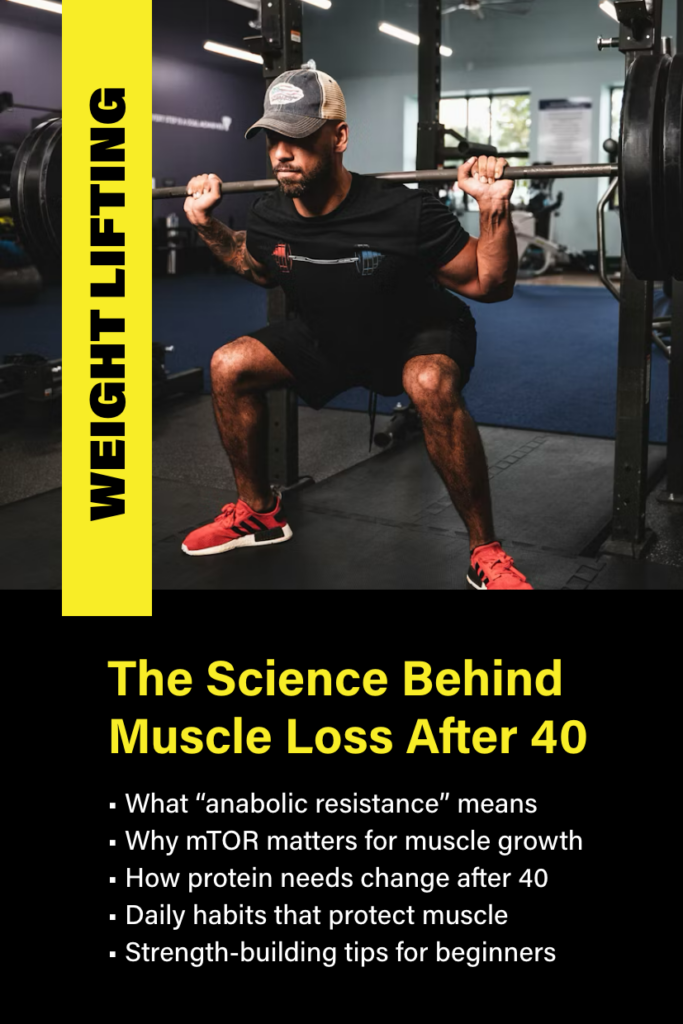
Losing muscle after 40 isn’t just “part of getting older.” It’s a biological shift that affects strength, metabolism, energy, balance, and long‑term health. Research shows that adults can lose up to 8% of their muscle mass every decade after age 40 — and the rate accelerates even more after 60. This gradual decline, known as sarcopenia, is one of the biggest reasons people feel weaker, slower, and more fatigued as they age.
Helpful Resources for Staying Strong After 40
Helpful Resource
Helpful Resources for Staying Strong After 40
If you want a simple, science‑backed way to support muscle health, energy, and recovery, this is a great place to start.
Recommended Resource: Advanced Amino — Essential Amino Acid Formula for Muscle Support A clinically researched blend of essential amino acids designed to help fight age‑related muscle loss, boost energy, and support strength at any age.
Learn more here: Advanced Amino
As we age, the body becomes less efficient at absorbing amino acids from food — even if you eat a high‑protein diet. That means your muscles receive fewer of the raw materials they need to repair, rebuild, and stay strong. Essential amino acids (EAAs), especially leucine, play a critical role in triggering muscle protein synthesis — the process your body uses to build new muscle tissue.
Below, we’ll break down why muscle loss happens, how amino acids support healthy aging, and what you can do today to rebuild strength naturally.
Why Muscle Loss Accelerates After 40
1. Reduced Protein Synthesis
Your body becomes less responsive to dietary protein as you age. Even if you eat the same amount of protein you did in your 20s or 30s, your muscles don’t absorb and use it as effectively. This is known as anabolic resistance.
2. Declining Hormones
Growth hormone, testosterone, and IGF‑1 naturally decrease with age, all of which play a role in maintaining lean muscle.
3. Lower Activity Levels
Even small decreases in daily movement can accelerate muscle loss — especially when combined with reduced protein absorption.
4. Slower Recovery
Older adults often experience more soreness, slower healing, and longer recovery times after exercise. This makes it harder to stay consistent with strength‑building activities.
How Essential Amino Acids Help Rebuild Muscle
Essential amino acids (EAAs) are the building blocks your body uses to create proteins — including muscle tissue, enzymes, hormones, and immune cells. Your body cannot produce EAAs on its own, so they must come from diet or supplementation.
A formula like Advanced Amino provides:
- Highly bioavailable amino acids that absorb faster than whole protein
- Leucine‑rich ratios that trigger muscle protein synthesis
- Free‑form EAAs that bypass digestion and go straight to the bloodstream
- Up to 3x more usable muscle‑building nutrients per calorie compared to whole protein sources
This is why many adults over 40 notice improvements in strength, energy, and recovery within weeks of adding EAAs to their routine.
Benefits of Supporting Muscle Health With EAAs
1. Rebuild and Preserve Lean Muscle
EAAs help counteract age‑related muscle loss by stimulating muscle protein synthesis — even without increasing exercise intensity.
2. Faster Recovery After Workouts
Users often report less soreness and quicker recovery, allowing them to stay active and consistent.
3. Improved Strength and Mobility
More muscle means better balance, fewer falls, and greater independence as you age.
4. Higher Energy and Stamina
Amino acids support mitochondrial function, helping your body produce steady, reliable energy.
5. Better Metabolism
Muscle is metabolically active tissue — the more you have, the more calories you burn at rest.
6. Support for Mood, Sleep, and Immune Health
Amino acids also help form neurotransmitters, immune cells, and enzymes that support whole‑body wellness.
What Makes Advanced Amino Different?
According to research and product analysis, Advanced Amino stands out because it contains all 8 essential amino acids in a precise, clinically studied ratio. These include:
- L‑Leucine – the key trigger for muscle building
- L‑Isoleucine & L‑Valine – support repair and energy
- L‑Lysine – tissue repair and immune support
- L‑Methionine – detoxification and protein synthesis
- L‑Phenylalanine – focus and neurotransmitter support
- L‑Threonine – immune function and protein balance
- L‑Tryptophan – mood and sleep support
These free‑form amino acids absorb quickly, making them ideal for adults who struggle with protein digestion or want a more efficient way to support muscle health.
How to Support Muscle Growth After 40 (Even If You’re Busy)
1. Prioritize Strength Training
Just 2–3 sessions per week can significantly slow muscle loss.
2. Increase Protein Intake
Aim for high‑quality protein sources throughout the day.
3. Add Essential Amino Acids
This is one of the most effective ways to support muscle repair and growth — especially if you’re over 40 or have trouble digesting protein.
4. Stay Consistent With Movement
Daily walking, stretching, and light activity help maintain mobility and circulation.
5. Support Recovery
Sleep, hydration, and amino acids all play a role in how quickly your muscles rebuild.
Real‑World Results
Many adults report noticeable improvements in strength, energy, and recovery within weeks of using Advanced Amino:
- “I feel stronger than I did in my 30s.”
- “My recovery after workouts is unbelievably quick.”
- “I have more stamina and confidence in my balance.”
These experiences align with the research showing that EAAs can help reverse age‑related muscle loss and support long‑term vitality.
Ready to Support Strong, Healthy Muscles at Any Age?
If you want a simple, science‑backed way to rebuild muscle, boost energy, and stay strong as you age, adding essential amino acids is one of the most effective steps you can take.