When many people think about weight loss, they picture long cardio sessions. While cardiovascular exercise has benefits, strength training plays a powerful role in supporting sustainable fat loss and metabolic health.
Instead of focusing only on burning calories during a workout, strength training helps reshape how your body uses energy over time.
Helpful Resource
Helpful Resource for Metabolism & Steady Energy
Many people looking to support healthy weight management and balanced energy find it helpful to pair strength training with gentle, research‑inspired nutritional support. If you’re curious about an option designed to complement fat‑burning habits, you can explore it here: Explore the Metabolic Support Formula »
Why Strength Training Matters for Weight Loss
Strength training involves using resistance — such as weights, resistance bands, or bodyweight exercises — to build and maintain muscle mass.
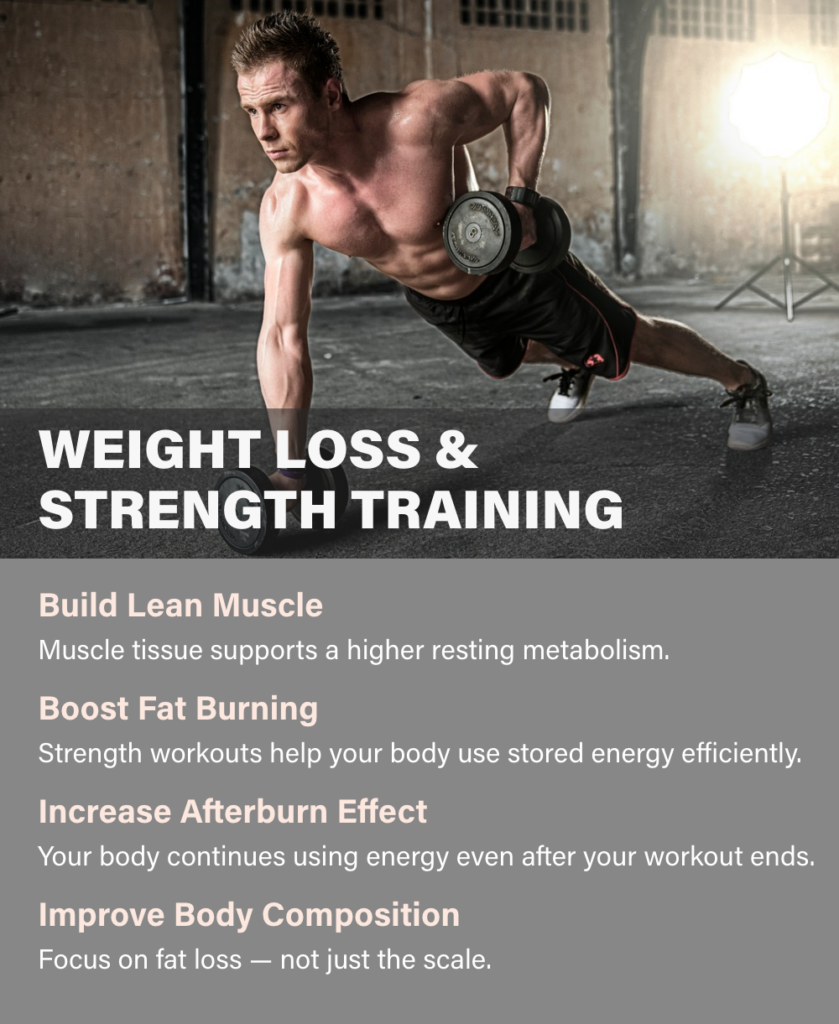
Muscle tissue is metabolically active, meaning it requires energy even at rest. Supporting lean muscle development may help increase your resting metabolic rate, which contributes to overall energy balance.
This doesn’t mean lifting weights instantly melts fat — but over time, building muscle can support long-term weight management.
If you’re working on building lean muscle and supporting a healthier metabolism, you may find this gentle metabolic support option helpful.
Fat Loss vs. Scale Weight
One important shift in perspective is understanding the difference between losing weight and improving body composition.
- Weight loss = total scale weight
If you’re focusing on improving body composition rather than just scale weight, here’s a supportive option some readers pair with their routine. - Fat loss = reduction in body fat percentage
- Body composition = ratio of muscle to fat
Strength training supports improved body composition, meaning you may look leaner and feel stronger even if the scale doesn’t dramatically change.
The “Afterburn” Effect
Resistance workouts may also contribute to increased post-exercise energy use. After an intense strength session, your body continues working to repair muscle tissue, which requires additional energy.
This process supports overall metabolic activity beyond the workout itself.
Next Steps
In addition to regular resistance training and healthy habits, a few individuals explore products that support metabolism and fat burning. Here’s one such helpful option to consider:
How Often Should You Strength Train?
For beginners, 2–3 sessions per week can be effective.
Focus on:
- Compound movements (squats, lunges, push-ups, rows)
- Progressive overload (gradually increasing resistance)
- Proper form and recovery
Consistency matters more than intensity.
Combining Strength Training with Other Habits
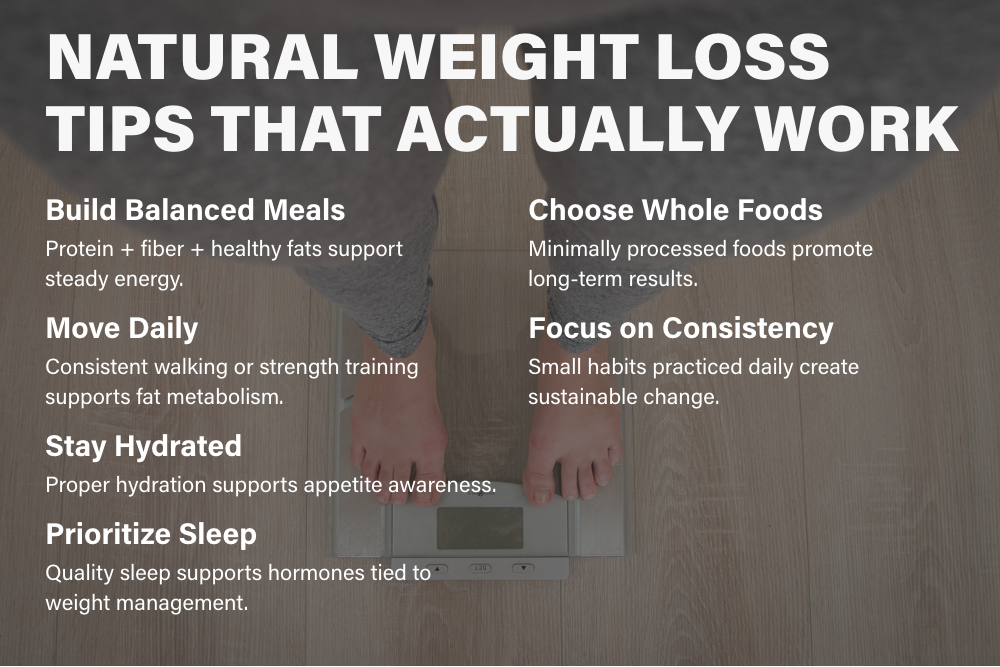
Strength training works best when combined with:
- Balanced nutrition
- Adequate protein intake
- Sufficient sleep
- Stress management
- Daily movement
Together, these habits create a supportive environment for fat loss and metabolic health.
Optional Support Tools
Some individuals explore protein supplements or metabolism-supporting formulas alongside resistance training routines. These tools can complement a balanced approach when used thoughtfully and responsibly.
Always prioritize whole foods and consult a healthcare professional if you have specific health concerns.
Final Thoughts
Strength training isn’t just about building muscle — it’s about supporting long-term metabolic health and sustainable weight management.
By focusing on muscle development, consistency, and balanced lifestyle habits, you can support fat loss in a way that feels strong, empowering, and maintainable.