A gentle, highly absorbable magnesium trusted for calm, rest, and nighttime relaxation.
This formula is known for being easy on the stomach and made by a brand recognized for purity and quality.
Many people look for a magnesium supplement that feels gentle, supports relaxation, and fits easily into a nighttime routine. Pure Encapsulations Magnesium Glycinate is consistently one of the most trusted options because of its clean formulation and reliable absorption.
This recommendation is based on:
✔ Ingredient quality
✔ Brand reputation
✔ Customer feedback
✔ Simplicity and gentleness of the formula
It’s a straightforward, well‑made option for people wanting a calm, supportive evening supplement.
How People Commonly Use Magnesium Glycinate
Many people include magnesium glycinate as part of their evening wind‑down routine because it’s known for its calming properties. It’s often paired with habits like stretching, reading, or reducing screen time to support a more relaxed transition into sleep.
Who This Type of Supplement May Be Helpful For
Anyone looking to support a calmer nighttime routine
People who experience muscle tension or tightness
Those wanting a gentle, easy‑to‑digest form of magnesium
Individuals building a simple, supportive wellness habit
Magnesium glycinate is one of the most recommended forms of magnesium for supporting relaxation, easing tension, and promoting a more restful nighttime routine. Pure Encapsulations is consistently one of the top‑rated options because of its clean formula, gentle absorption, and strong brand reputation in the wellness space.
View Pure Encapsulations Magnesium Glycinate on Amazon
Many everyday factors can influence how energized you feel. Some of the most common include:
✔ Uses a highly absorbable form of magnesium (glycinate)
✔ Designed to be gentle on the stomach
✔ Free from artificial fillers and unnecessary additives
✔ Manufactured by a brand known for purity and quality (glycinate)
✔ Backed by thousands of positive customer reviews
How People Commonly Use Magnesium Glycinate
Many people include magnesium glycinate as part of their evening wind‑down routine because it’s known for its calming properties. It’s often paired with habits like stretching, reading, or reducing screen time to support a more relaxed transition into sleep.
Who This Type of Supplement May Be Helpful For
Anyone looking to support a calmer nighttime routine
People who experience muscle tension or tightness
Those wanting a gentle, easy‑to‑digest form of magnesium
Individuals building a simple, supportive wellness habit
Oral health products are some of the most frequently purchased items on Amazon — and for good reason. They’re affordable, essential, and part of everyone’s daily routine. Below are the top 7 highest-volume, best-selling oral care products on Amazon right now, based on popularity, reviews, and consistent sales performance.
Helpful Resources
Below are the top oral health products featured in this guide. Click any product to view it on Amazon:
Boka’s nano-hydroxyapatite toothpaste is currently the #1 best seller in Amazon’s oral care category. It’s fluoride-free, gentle on sensitive teeth, and helps remineralize enamel using the same ingredient dentists in Japan have used for decades.
This whitening toothpaste is a massive volume seller thanks to its ability to remove surface stains while strengthening enamel. The 4-pack offers great value and is one of Amazon’s most frequently repurchased oral care items.
TheraBreath is one of the highest-selling mouthwashes on Amazon, with tens of thousands of reviews. It’s dentist-formulated, alcohol-free, and designed to neutralize odor-causing bacteria for up to 24 hours.
These floss picks are a top seller because they don’t shred, they’re easy to use, and the bulk pack lasts a long time. They’re one of the most popular flossing products on Amazon.
This whitening toothpaste uses hydrogen peroxide to remove deep stains from coffee, tea, and wine. It’s consistently ranked among Amazon’s top whitening products.
These ultra-portable breath strips are a high-volume seller thanks to their convenience and effectiveness. They dissolve instantly and freshen breath fast.
These seven products dominate Amazon’s oral care category because they’re affordable, effective, and trusted by millions of customers. Whether you’re looking to improve your own oral health or share helpful recommendations with your audience, these best-sellers are a great place to start.
In a world full of constant notifications, multitasking, and mental overload, many people are searching for natural ways to stay sharp, energized, and mentally resilient. NeuroXen is formulated around that exact need — blending well‑studied nutrients that support memory, focus, learning speed, and overall cognitive performance. Whether you’re juggling work, creative projects, or simply want to feel more mentally “on,” understanding how these ingredients work can help you make informed choices about your brain health.
Helpful Resource
Helpful Resource for Improving Mental Clarity If you’re exploring natural ways to support mental clarity, focus, and long‑term cognitive wellness, you may want to learn more about the formula behind NeuroXen. Explore the full ingredient list, research, and bundle options here: Visit the NeuroXen Product Page
What Makes NeuroXen’s Formula Stand Out?
NeuroXen combines botanicals, phospholipids, antioxidants, and essential nutrients that work together to support six key cognitive indicators: memory, clarity, focus, learning speed, mental energy, and emotional resilience. Below is a breakdown of the core ingredients and why they matter.
Bacopa Monnieri Extract
Traditionally used in Ayurvedic wellness, Bacopa is known for supporting memory retention, learning speed, and reduced mental fatigue. It’s often chosen by people who want to stay mentally steady during long workdays or study sessions.
Phosphatidylserine
This natural phospholipid helps nerve cells communicate efficiently. It plays a role in sharper thinking, better recall, and maintaining healthy cognitive function as we age.
Huperzine A
Huperzine A supports acetylcholine levels — a neurotransmitter essential for learning and memory. It also helps protect brain cells from oxidative stress.
DHA (Docosahexaenoic Acid)
DHA is an omega‑3 fatty acid that supports brain structure, long‑term cognitive health, and focus. It’s especially important for maintaining healthy neural pathways.
Green Tea Leaf Extract
Rich in antioxidants and L‑Theanine, green tea extract supports calm, focused energy without the jittery feeling that can come from caffeine alone.
Full B‑Vitamin Complex
B‑vitamins help fuel brain energy metabolism and support mood balance. They’re essential for mental stamina and overall cognitive performance.
Mineral Support (Magnesium, Zinc, Selenium)
These minerals play a role in neurotransmitter function, focus, and mental resilience — especially during times of stress or high cognitive demand.
Ingredients like Bacopa and Phosphatidylserine help support the brain’s ability to store and retrieve information — helpful for students, professionals, and anyone wanting to stay mentally sharp.
2. Focus & Concentration
Green tea extract and Huperzine A support sustained attention without overstimulation. This can be especially beneficial during long work sessions or creative projects.
3. Learning Speed
By supporting neurotransmitter activity and neural communication, NeuroXen’s formula helps the brain process information more efficiently.
4. Mental Energy
B‑vitamins and DHA help fuel the brain’s energy pathways, supporting clarity and alertness throughout the day.
5. Emotional Resilience
Minerals like magnesium and zinc play a role in mood balance and stress response — important for staying grounded and mentally steady.
If you’re looking for a natural, research‑backed way to support clarity and focus, you can check out the full NeuroXen details here: 👉 See ingredient research and bundle options
Why People Choose NeuroXen
Many users appreciate that NeuroXen is designed for long‑term cognitive support, not just a quick boost. The formula is crafted for:
Busy professionals
Students
Creatives and entrepreneurs
Adults wanting long‑term brain health support
Anyone experiencing occasional brain fog or mental fatigue
The longer the formula is used, the more noticeable the benefits may become — especially for clarity, memory, and sustained focus.
If you want to explore how NeuroXen fits into your wellness routine, you can visit the official page here: 👉 Explore NeuroXen and current offers
Final Thoughts
Supporting your brain health is one of the most meaningful investments you can make — whether you’re aiming for sharper focus, better memory, or long‑term cognitive wellness. NeuroXen brings together a blend of botanicals, nutrients, and antioxidants that work synergistically to help you stay mentally clear, energized, and resilient.
Losing muscle after 40 isn’t just “part of getting older.” It’s a biological shift that affects strength, metabolism, energy, balance, and long‑term health. Research shows that adults can lose up to 8% of their muscle mass every decade after age 40 — and the rate accelerates even more after 60. This gradual decline, known as sarcopenia, is one of the biggest reasons people feel weaker, slower, and more fatigued as they age.
Helpful Resources for Staying Strong After 40
Helpful Resource
Helpful Resources for Staying Strong After 40 If you want a simple, science‑backed way to support muscle health, energy, and recovery, this is a great place to start.
As we age, the body becomes less efficient at absorbing amino acids from food — even if you eat a high‑protein diet. That means your muscles receive fewer of the raw materials they need to repair, rebuild, and stay strong. Essential amino acids (EAAs), especially leucine, play a critical role in triggering muscle protein synthesis — the process your body uses to build new muscle tissue.
Below, we’ll break down why muscle loss happens, how amino acids support healthy aging, and what you can do today to rebuild strength naturally.
Why Muscle Loss Accelerates After 40
1. Reduced Protein Synthesis
Your body becomes less responsive to dietary protein as you age. Even if you eat the same amount of protein you did in your 20s or 30s, your muscles don’t absorb and use it as effectively. This is known as anabolic resistance.
2. Declining Hormones
Growth hormone, testosterone, and IGF‑1 naturally decrease with age, all of which play a role in maintaining lean muscle.
3. Lower Activity Levels
Even small decreases in daily movement can accelerate muscle loss — especially when combined with reduced protein absorption.
4. Slower Recovery
Older adults often experience more soreness, slower healing, and longer recovery times after exercise. This makes it harder to stay consistent with strength‑building activities.
How Essential Amino Acids Help Rebuild Muscle
Essential amino acids (EAAs) are the building blocks your body uses to create proteins — including muscle tissue, enzymes, hormones, and immune cells. Your body cannot produce EAAs on its own, so they must come from diet or supplementation.
Highly bioavailable amino acids that absorb faster than whole protein
Leucine‑rich ratios that trigger muscle protein synthesis
Free‑form EAAs that bypass digestion and go straight to the bloodstream
Up to 3x more usable muscle‑building nutrients per calorie compared to whole protein sources
This is why many adults over 40 notice improvements in strength, energy, and recovery within weeks of adding EAAs to their routine.
Benefits of Supporting Muscle Health With EAAs
1. Rebuild and Preserve Lean Muscle
EAAs help counteract age‑related muscle loss by stimulating muscle protein synthesis — even without increasing exercise intensity.
2. Faster Recovery After Workouts
Users often report less soreness and quicker recovery, allowing them to stay active and consistent.
3. Improved Strength and Mobility
More muscle means better balance, fewer falls, and greater independence as you age.
4. Higher Energy and Stamina
Amino acids support mitochondrial function, helping your body produce steady, reliable energy.
5. Better Metabolism
Muscle is metabolically active tissue — the more you have, the more calories you burn at rest.
6. Support for Mood, Sleep, and Immune Health
Amino acids also help form neurotransmitters, immune cells, and enzymes that support whole‑body wellness.
What Makes Advanced Amino Different?
According to research and product analysis, Advanced Amino stands out because it contains all 8 essential amino acids in a precise, clinically studied ratio. These include:
L‑Leucine – the key trigger for muscle building
L‑Isoleucine & L‑Valine – support repair and energy
L‑Lysine – tissue repair and immune support
L‑Methionine – detoxification and protein synthesis
L‑Phenylalanine – focus and neurotransmitter support
L‑Threonine – immune function and protein balance
L‑Tryptophan – mood and sleep support
These free‑form amino acids absorb quickly, making them ideal for adults who struggle with protein digestion or want a more efficient way to support muscle health.
How to Support Muscle Growth After 40 (Even If You’re Busy)
1. Prioritize Strength Training
Just 2–3 sessions per week can significantly slow muscle loss.
2. Increase Protein Intake
Aim for high‑quality protein sources throughout the day.
3. Add Essential Amino Acids
This is one of the most effective ways to support muscle repair and growth — especially if you’re over 40 or have trouble digesting protein.
4. Stay Consistent With Movement
Daily walking, stretching, and light activity help maintain mobility and circulation.
5. Support Recovery
Sleep, hydration, and amino acids all play a role in how quickly your muscles rebuild.
Real‑World Results
Many adults report noticeable improvements in strength, energy, and recovery within weeks of using Advanced Amino:
“I feel stronger than I did in my 30s.”
“My recovery after workouts is unbelievably quick.”
“I have more stamina and confidence in my balance.”
These experiences align with the research showing that EAAs can help reverse age‑related muscle loss and support long‑term vitality.
Ready to Support Strong, Healthy Muscles at Any Age?
If you want a simple, science‑backed way to rebuild muscle, boost energy, and stay strong as you age, adding essential amino acids is one of the most effective steps you can take.
As we age, it’s common to notice changes in energy, stamina, circulation, and overall vitality. What many people don’t realize is that one tiny molecule—nitric oxide—plays a major role in how youthful, energized, and strong we feel day to day. Nitric oxide helps support healthy blood flow, oxygen delivery, and cellular performance, yet our natural levels begin to decline as early as our 40s.
Helpful Resource
Support Healthy Nitric Oxide Levels Naturally If you’re curious about gentle, research‑inspired ways to support nitric oxide production as you age, this science‑backed formula may be worth exploring. Visit the product page here
Why Nitric Oxide Declines With Age
Nitric oxide acts as a “signaling molecule” that tells your blood vessels to relax and widen. This helps deliver oxygen and nutrients to your muscles, brain, heart, and skin. But after age 40, the body becomes less efficient at producing it. Lifestyle factors—like stress, inactivity, and poor diet—can accelerate this decline.
Healthy nitric oxide levels help keep your blood vessels flexible, which supports better circulation throughout the body. This can influence:
1. Muscle Strength & Performance
Good circulation helps muscles receive the oxygen they need for strength, endurance, and recovery. Many people over 50 notice they can maintain muscle tone more easily when nitric oxide levels are supported.
2. Heart & Vascular Health
Nitric oxide plays a key role in helping blood vessels stay relaxed and open. This supports healthy blood flow and overall cardiovascular wellness.
3. Brain Function & Mental Clarity
Your brain relies on steady oxygen delivery. Supporting nitric oxide may help maintain focus, alertness, and cognitive performance.
4. Energy & Stamina
When your cells receive more oxygen, they can produce energy more efficiently. Many people describe feeling more “awake,” “alive,” and “capable” when nitric oxide levels improve.
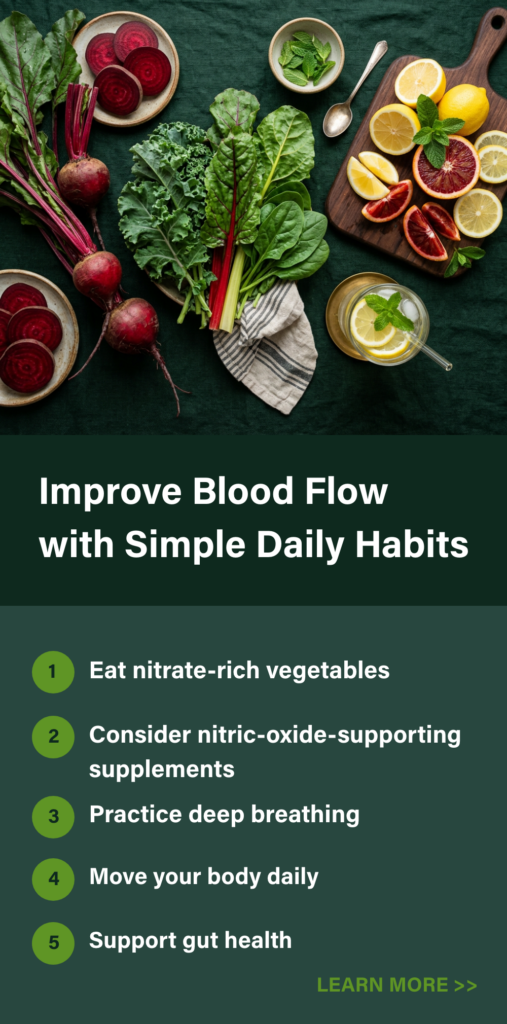
While aging naturally reduces nitric oxide, there are several ways to support your body’s ability to produce it:
Eat nitrate‑rich vegetables like beets, spinach, and arugula
Move your body daily, even gentle walking boosts nitric oxide
Practice deep breathing, which increases oxygen flow
Support your gut health, since gut bacteria help convert plant nitrates
Consider targeted supplementation to help maintain healthy levels
Many people over 50 find that combining lifestyle habits with a nitric‑oxide‑supporting supplement gives them the best results—especially when they want to stay active, strong, and vibrant.
Nitric oxide is one of the most important molecules for healthy aging, yet it’s often overlooked. Supporting your body’s natural production can help you maintain energy, strength, circulation, and overall vitality—especially as you move into your 50s, 60s, and beyond.
If you’re exploring natural ways to feel stronger, more energized, and more capable as you age, supporting nitric oxide may be a powerful place to start.
Many people notice a shift in their strength, energy, and muscle tone as they move into their 40s, 50s, and beyond. Tasks that once felt effortless — carrying groceries, climbing stairs, or lifting weights — may suddenly feel more challenging. While this change is common, it’s not inevitable. Modern research shows that the body remains highly adaptable at every age, especially when you understand what’s happening beneath the surface.
This guide breaks down the science of age‑related muscle changes and offers practical, research‑supported strategies to help you stay strong, energized, and confident for decades to come.
Helpful Resource
Helpful Resource for Staying Strong After 40 Many people over 40 find it helpful to pair smart training with targeted nutritional support. If you’re curious about a supplement designed specifically for muscle health as we age, you can explore it here.
Why Muscle Loss Happens With Age
One of the biggest reasons muscle becomes harder to build after 40 is a natural shift in how the body responds to protein and exercise. Scientists call this anabolic resistance — a reduced ability to turn protein into new muscle tissue.
A key player in this process is an enzyme known as mTOR, often described as the body’s “muscle‑building switch.” When mTOR is active, the body builds and repairs muscle efficiently. As we age, this switch becomes less responsive, meaning the same workout or protein intake that once produced noticeable results may no longer be enough.
Other factors contribute as well:
Slower recovery
Reduced hormone activity
Lower physical activity levels
Changes in appetite and protein intake
Increased inflammation and oxidative stress
These shifts don’t mean muscle growth is impossible — only that the strategy must evolve.
The Importance of Maintaining Muscle as You Age
Muscle is far more than a cosmetic feature. It plays a central role in nearly every aspect of health and longevity.
1. Strength and Mobility
Losing even a small percentage of muscle can impact balance, stability, and coordination. Research shows that a 10% loss of muscle mass can significantly increase the risk of falls, especially in older adults.
2. Metabolic Health
Muscle is metabolically active tissue. More muscle means:
Better blood sugar control
Higher daily energy expenditure
Improved weight management
3. Joint Support and Posture
Stronger muscles support the spine, hips, and knees, reducing strain and improving posture.
4. Energy and Vitality
People with more lean muscle often report:
Higher daily energy
Better stamina
Improved mood
Greater confidence
Muscle is one of the most powerful predictors of healthy aging — and it’s never too late to build more.
How to Support Muscle Growth After 40
The key to building muscle later in life is understanding what your body needs now compared to when you were younger. Here are the most effective, research‑supported strategies.
1. Prioritize Strength Training
Strength training is the most powerful tool for maintaining and rebuilding muscle. You don’t need heavy weights or intense workouts — consistency matters more than intensity.
Great options include:
Bodyweight exercises
Resistance bands
Dumbbells
Machines at the gym
Functional movements like squats, lunges, and step‑ups
Aim for 2–4 sessions per week, focusing on major muscle groups.
2. Increase Protein Intake (Strategically)
Because the body becomes less efficient at using protein with age, many adults need more protein, not less.
High‑quality protein sources include:
Eggs
Fish
Poultry
Greek yogurt
Beans and lentils
Whey or plant‑based protein powders
Pairing protein with strength training helps stimulate muscle protein synthesis — the process of building new muscle tissue.
3. Support mTOR Activation Naturally
Since mTOR becomes less responsive with age, supporting this pathway can make a meaningful difference in muscle growth.
Ways to naturally support mTOR activity include:
Consuming leucine‑rich foods (like eggs, dairy, and lean meats)
Eating enough total protein
Strength training regularly
Avoiding long periods of inactivity
Some emerging research also explores specialized amino formulas that may help support these muscle‑building pathways more effectively than standard protein alone. If you’d like to see an example of one of these blends, you can take a look here.
4. Reduce Muscle Breakdown
As we age, the body tends to break down muscle faster than it builds it. Supporting muscle preservation is just as important as stimulating growth.
Helpful habits include:
Staying active throughout the day
Avoiding long periods of sitting
Eating balanced meals with protein, healthy fats, and complex carbs
Managing stress
Getting quality sleep
Certain nutrients — such as HMB (beta‑hydroxy beta‑methylbutyrate) — have been studied for their ability to help reduce muscle breakdown, especially in older adults or those recovering from inactivity.
Recovery becomes more important with age. Without proper recovery, the body struggles to repair and rebuild muscle tissue.
To support recovery:
Get 7–9 hours of sleep
Stay hydrated
Stretch or use gentle mobility exercises
Incorporate rest days
Eat nutrient‑dense meals
Many people notice that when recovery improves, strength gains follow naturally.
What Muscle Growth Feels Like After 40
When you begin supporting your body with the right habits, you may notice:
Muscles feeling firmer and more defined
Improved balance and posture
More strength during daily activities
Faster recovery after exercise
A steady increase in energy
Greater confidence in your physical abilities
These changes often appear gradually over 4–12 weeks and continue building over time.
Why Muscle Building Is Absolutely Possible at Any Age
One of the most encouraging findings in modern research is that muscle growth is possible well into your 60s, 70s, 80s, and even 90s. Age does not limit your ability to build strength — it simply changes the approach.
Studies show that older adults can:
Gain significant muscle mass
Improve strength dramatically
Increase mobility and balance
Reduce the risk of falls
Enhance overall quality of life
The key is understanding the biology of aging and working with your body instead of against it.
Final Thoughts: Strong, Healthy, and Capable at Every Age
Building muscle after 40 isn’t about chasing youth — it’s about supporting your body so you can stay active, independent, and energized for years to come. With the right combination of strength training, protein intake, recovery habits, and muscle‑supporting nutrients, your body can continue to grow stronger at any stage of life.
Ready to Support Stronger Muscles After 40? If you’d like to explore a supplement formulated specifically for muscle strength, recovery, and healthy aging, you can learn more here:
In the wellness world, few topics are gaining attention as quickly as blood sugar balance, metabolic health, and inflammation control. These three systems are deeply connected, and when one falls out of balance, the others follow. Understanding this relationship can help you improve energy, support a healthy metabolism, and feel better day‑to‑day.
This article breaks down the science behind blood sugar swings, why inflammation plays such a big role in metabolic health, and how natural ingredients are becoming increasingly popular for supporting overall wellness.
Helpful Resource
Helpful Resource for Metabolic Wellness Many people exploring blood sugar balance and energy support find it helpful to pair daily habits with targeted nutritional support. If you’re curious about a supplement designed to support metabolism, inflammation, and vitality, you can explore it here:
Blood sugar affects far more than most people realize. It influences:
Energy levels
Weight management
Mood and focus
Hormone balance
Sleep quality
Skin health
When blood sugar spikes and crashes throughout the day, the body experiences:
Fatigue
Irritability
Sugar cravings
Slowed metabolism
Increased inflammation
Difficulty losing weight
Over time, these fluctuations can stress the pancreas, disrupt hormones, and contribute to long‑term metabolic challenges.
The Inflammation–Blood Sugar Connection
Chronic inflammation is one of the biggest hidden drivers of metabolic imbalance. Research shows that inflammation can:
Reduce insulin sensitivity
Slow down metabolic rate
Increase fat storage
Disrupt energy production
Affect cognitive function
This is why anti‑inflammatory ingredients — such as turmeric, pine bark extract, and juniper berry — are becoming increasingly popular. They support the body’s natural healing processes and help maintain stable metabolic function. See the Supplement That Combines Them »
Energy, Fatigue & the Metabolic Loop
One of the most common complaints among adults today is low energy. But fatigue is often a symptom, not the root cause.
When blood sugar is unstable, the body struggles to produce steady energy. This leads to:
Afternoon crashes
Brain fog
Difficulty concentrating
Increased caffeine dependence
Natural adaptogens like eleuthero and gymnema are known for supporting energy, reducing fatigue, and helping the body adapt to stress. Explore a Formula That Includes Them »
Natural Ingredients That Support Blood Sugar & Metabolic Health
Here’s a breakdown of some of the most popular natural ingredients associated with metabolic wellness:
1. Turmeric Rhizome
A powerful anti‑inflammatory ingredient known for supporting:
Blood sugar balance
Joint comfort
Immune function
2. Cocoa Bean Extract
Rich in antioxidants that support:
Healthy blood flow
Heart health
Energy production
3. Eleuthero
A natural adaptogen used for:
Reducing fatigue
Supporting stamina
Improving mental clarity
4. Gymnema
Often called the “sugar destroyer,” it helps:
Reduce sugar cravings
Support healthy blood sugar
Improve metabolic function
5. Juniper Berry
A traditional ingredient known for:
Supporting healthy blood pressure
Reducing inflammation
Improving circulation
6. Banaba Leaf
A trending ingredient in metabolic wellness that supports:
Digestion
Heart health
Blood sugar regulation
Why Blood Sugar Support Is Becoming a Top Wellness Focus
People are increasingly recognizing that:
Weight loss is harder when blood sugar is unstable
Energy depends on metabolic efficiency
Inflammation affects everything from skin to mood
Natural ingredients can support long‑term wellness
Products like CelluCare are gaining attention because they combine multiple well‑known ingredients into one formula designed to support:
Blood sugar balance
Energy and vitality
Healthy inflammation levels
Circulation
Metabolic health
Daily Habits That Support Blood Sugar & Metabolism
To complement natural ingredients, here are simple habits that support metabolic wellness:
Eat protein with every meal
Walk for 10 minutes after eating
Reduce added sugars
Prioritize fiber
Stay hydrated
Get morning sunlight
Manage stress with breathwork
Support gut health
These habits help stabilize blood sugar, reduce inflammation, and improve energy naturally.
Final Thoughts
Blood sugar balance isn’t just a health trend — it’s a foundational pillar of wellness. Whether you’re looking to improve energy, support weight management, reduce inflammation, or simply feel better day‑to‑day, understanding your metabolic health is key.
Natural ingredients like turmeric, gymnema, banaba leaf, and pine bark extract are becoming increasingly popular because they support the body’s natural ability to maintain balance — and formulas like CelluCare combine these ingredients into a simple daily routine.
If you’re exploring natural ways to support your metabolic health, this is a great place to start.
Learn more about CelluCare and how it can help you!
As we age, our skin naturally changes—texture shifts, fine lines appear, and moisture levels decline. While this is a normal part of life, many people look for ways to support their skin so it feels smoother, more hydrated, and more resilient. Today, many skincare formulas combine time‑tested botanicals with modern ingredients to create a more streamlined routine. One example is the growing interest in blends that feature argan oil, caviar extract, and retinol, three ingredients often highlighted for their role in supporting mature skin.
This article explores what these ingredients are, why they’re commonly used in skincare, and how they may fit into a simple, effective routine—especially for those who prefer fewer steps and more nourishment.
Why Mature Skin Has Different Needs
As the years go by, the skin’s natural processes gradually slow down. This can lead to:
Reduced elasticity
A decrease in natural moisture
The appearance of fine lines
Changes in tone and texture
More visible dryness or crepey areas
Environmental stressors—like sun exposure, dry climates, and daily lifestyle habits—can also influence how the skin looks and feels. Because of this, many people over 40 begin seeking products that offer hydration, nourishment, and gentle renewal without overwhelming the skin.
Argan Oil: A Classic Ingredient for Deep Nourishment
Argan oil, often called “liquid gold,” has been used for generations in Morocco. It’s known for being:
Rich in fatty acids, which help support the skin’s moisture barrier
Lightweight and fast‑absorbing, making it suitable for daily use
Naturally high in vitamin E, an antioxidant that helps protect the skin from environmental stress
For mature skin, argan oil is often used to help the skin feel smoother, softer, and more hydrated. It’s also gentle enough for most skin types, which makes it a popular base in many all‑in‑one creams.
Caviar Extract: A Luxurious Source of Skin‑Supporting Nutrients
Caviar extract has become a trending ingredient in high‑end skincare because it contains:
Amino acids, which are essential building blocks for the skin
Omega‑3 fatty acids, known for supporting moisture and suppleness
Antioxidants, which help defend against environmental stress
While results vary from person to person, caviar extract is often included in formulas designed to help the skin look more radiant and feel more nourished.
Retinol & Retinol Esters: Gentle Renewal for Smoother‑Looking Skin
Retinol is one of the most widely discussed skincare ingredients for mature skin. It’s commonly used because it may help:
Improve the appearance of fine lines
Support a smoother‑looking skin texture
Encourage a more even‑looking tone
Retinol esters—gentler relatives of traditional retinol—are often included in formulas designed for sensitive or mature skin. They’re typically used to offer similar benefits with less potential for dryness.
When combined with deeply moisturizing ingredients like argan oil and nutrient‑rich extracts like caviar, retinol can be part of a balanced routine that supports both renewal and hydration.
A One‑Step Approach to Skincare
Many people over 45 prefer a simplified routine—something that feels luxurious, effective, and easy to maintain. That’s why all‑in‑one creams have become so popular. Instead of layering multiple products, a single formula can be used:
In the morning to refresh and hydrate
At night to support the skin’s natural renewal process
On the neck, chest, and hands, where signs of aging often appear first
A well‑formulated cream can help the skin feel smoother, more moisturized, and more supple with consistent use.
Supporting Skin Confidence at Any Age
Skincare isn’t about reversing time—it’s about supporting your skin so you feel confident and comfortable in it. Whether you’re dealing with dryness, changes in texture, or simply want a more radiant glow, ingredients like argan oil, caviar extract, and retinol can be part of a nourishing routine.
If you’re exploring products that combine these ingredients into a single step, look for formulas that are:
Gentle enough for daily use
Rich in antioxidants and moisturizers
Designed with mature skin in mind
Free from unnecessary fragrances or irritants
Consistency is key. With regular use, many people notice their skin feeling smoother, more hydrated, and more refreshed.
Final Thoughts
Aging is a natural and beautiful process, and your skincare routine should support you—not overwhelm you. Blends that include argan oil, caviar extract, and retinol offer a thoughtful balance of nourishment and gentle renewal, making them a popular choice for those seeking a simplified, effective approach to mature‑skin care.
If you’re curious about trying a product that brings these ingredients together, explore options that align with your skin’s needs, your routine, and your comfort level. Your skin deserves care that feels both luxurious and effortless.
If you’re curious how these ingredients work when combined into a single, mature‑skin‑friendly formula, you can learn more below.
A healthy gut plays a major role in how you feel every single day. Your digestive system influences everything from nutrient absorption to energy levels, bloating, regularity, and even mood. When your gut microbiome becomes unbalanced, it can lead to discomfort like gas, bloating, sluggish digestion, or irregular bowel movements — all of which can affect your daily life.
The good news? You can support your gut naturally with simple habits that help nourish your microbiome, strengthen your digestive system, and promote long‑term wellness. This guide breaks down the core principles behind gut balance, synbiotics, and gentle detox support so you can make informed choices about your digestive health.
Why Gut Balance Matters
Your gut is home to trillions of microorganisms that help break down food, support nutrient absorption, and maintain a strong digestive lining. When this ecosystem becomes unbalanced — often due to stress, processed foods, low fiber intake, or environmental factors — you may notice:
Bloating or gas
Sluggish digestion
Irregularity
Food sensitivities
Low energy
Brain fog
Supporting a balanced gut microbiome can help your digestive system function more smoothly and comfortably.
Understanding Synbiotics: Prebiotics + Probiotics Working Together
Many people try probiotics, prebiotics, or elimination diets, but it can be hard to know which foods or strains your body needs. That’s where synbiotics come in — a combination of prebiotics (food for good bacteria) and probiotics (beneficial bacteria themselves).
How synbiotics support gut wellness:
Help maintain a balanced microbiome
Support smoother digestion
Encourage regularity
Promote nutrient absorption
Help reduce occasional bloating
Synbiotics work best when paired with a balanced diet and consistent daily habits.
The Role of Gentle Detox Support
Some natural wellness approaches include ingredients like bentonite clay, which is known for its ability to bind to certain substances in the digestive tract. While research is ongoing, many people use gentle detox‑supporting ingredients to help:
Support digestive comfort
Reduce occasional gas
Promote a calmer, more settled stomach
These ingredients are not a replacement for a healthy diet, but they can complement a gut‑supportive lifestyle.
Daily Habits That Support a Healthy Gut
You don’t need a complicated routine to improve your digestive wellness. Small, consistent habits can make a big difference.
1. Eat a Variety of Fiber‑Rich Foods
Fiber feeds beneficial gut bacteria and supports regularity. Include fruits, vegetables, legumes, and whole grains.
2. Stay Hydrated
Water helps your digestive system break down food and move it through your intestines comfortably.
3. Add Fermented Foods
Foods like yogurt, kefir, sauerkraut, and kimchi naturally contain probiotics that support gut balance.
4. Manage Stress Levels
Your gut and brain communicate constantly. Stress can disrupt digestion, so practices like deep breathing, walking, or journaling can help.
5. Move Your Body Daily
Gentle movement supports digestion and helps reduce bloating.
6. Limit Highly Processed Foods
Processed foods can disrupt the microbiome. Aim for whole, nutrient‑dense meals when possible.
7. Support Your Microbiome Consistently
Whether through food or supplements, consistency is key. Your gut thrives on routine.
Listening to Your Body
Everyone’s digestive system is unique. What works for one person may not work for another, and it often takes time to understand what your gut responds to best. Pay attention to how different foods, habits, and routines make you feel.
Supporting your gut isn’t about perfection — it’s about small, sustainable steps that help you feel more comfortable, energized, and balanced every day.
Final Thoughts
A healthy gut is foundational to overall wellness. By focusing on synbiotic support, gentle detox habits, and daily lifestyle choices, you can create a digestive routine that helps you feel your best naturally. Whether you’re looking to reduce bloating, support regularity, or simply improve your overall digestive comfort, these habits offer a simple and effective place to start.
Struggling with brain fog, forgetfulness, or lack of focus? You’re not alone. More people are searching for ways to improve memory, concentration, and mental clarity naturally—without relying on stimulants or quick fixes.
The good news? There are simple, science-backed ways to support your brain health and improve how you think, focus, and remember things daily.
Let’s break it down:
What Causes Brain Fog and Memory Problems?
Before improving your brain health, it’s important to understand what may be holding you back.
Common causes of brain fog and poor memory include:
Chronic stress
Poor sleep quality
Blood sugar imbalances
Lack of key nutrients
Mental fatigue and overload
Aging-related cognitive decline
Research shows that factors like oxidative stress and poor blood flow to the brain can impact memory, focus, and learning ability.
That’s why supporting your brain from multiple angles is key.
1. Support Brain Energy and Mental Focus
Your brain needs a constant supply of energy and nutrients to function properly.
When your brain lacks energy, you may experience:
Sluggish thinking
Trouble concentrating
Low motivation
Certain natural compounds can help support mental alertness and sustained energy, improving your ability to stay focused throughout the day. For example, ingredients like plant-based compounds found in green coffee and cocoa may help increase alertness and mental performance.
Tips to Boost Mental Energy:
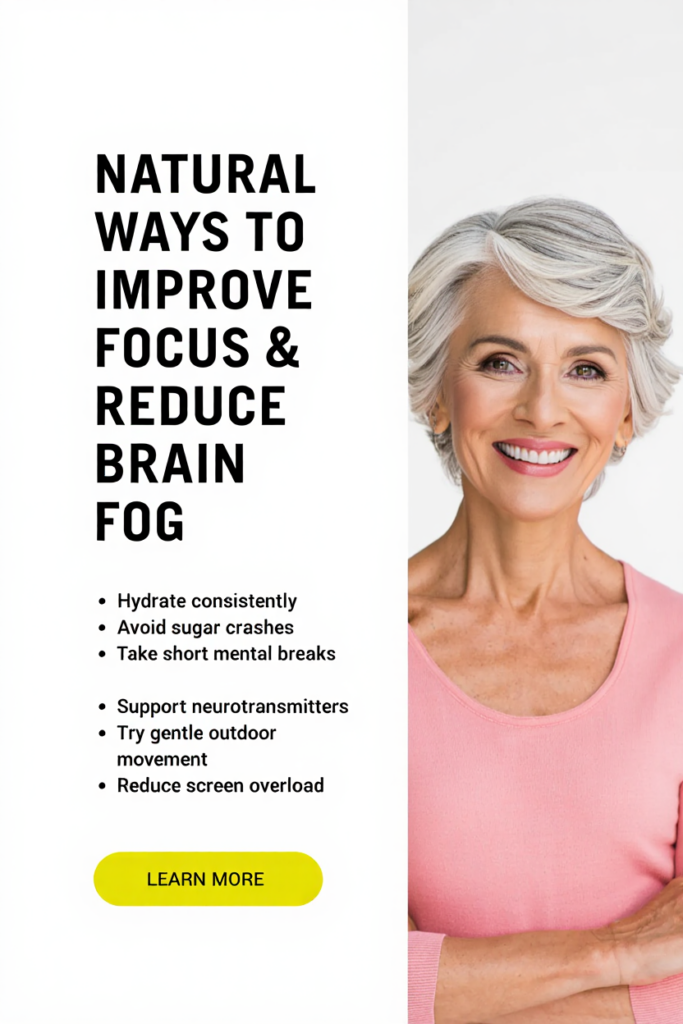
Stay hydrated throughout the day
Eat balanced meals with protein and healthy fats
Avoid sugar crashes
Take breaks to prevent mental fatigue
2. Improve Memory and Learning Ability
Memory is closely tied to how your brain communicates internally. Neurotransmitters (chemical messengers in the brain) play a major role in:
Memory recall
Learning new information
Focus and attention
Certain amino acids and herbal ingredients help support these neurotransmitters, improving how well your brain processes and stores information.
Daily Habits for Better Memory:
Practice active recall (quiz yourself)
Get quality sleep (7–8 hours)
Stay mentally active (reading, puzzles)
Support brain nutrition consistently
3. Reduce Stress and Mental Overload
Stress is one of the biggest enemies of brain health.
When stress levels are high:
Focus decreases
Memory weakens
Mental clarity drops
Adaptogenic herbs (natural stress-supporting plants) may help your body manage stress more effectively while promoting a calm, focused mind.
Ways to Reduce Brain Stress:
Practice deep breathing or meditation
Take breaks from screens
Get regular exercise
Spend time outdoors
4. Protect Your Brain from Aging and Damage
Over time, your brain is exposed to oxidative stress, which can damage cells and contribute to memory decline.
Antioxidants play a key role in protecting your brain by:
Fighting free radicals
Supporting long-term brain health
Preserving cognitive function
Many natural ingredients used in brain health routines are rich in antioxidants that help protect neurons and maintain mental performance.
Natural approaches that support brain energy, neurotransmitters, and protection against stress and aging can help you feel sharper, more focused, and mentally energized over time.
Why This Matters
Improving your brain health isn’t about quick fixes—it’s about building daily habits that support:
Better memory
Stronger focus
Clear thinking
Long-term cognitive health
Small changes can lead to powerful results over time.
Learn about supplements that can help you improve your brain health:
Collagen is one of the most talked-about supplements for anti-aging, glowing skin, joint support, and healthy hair growth—but not all collagen is created equal.
If you’ve ever wondered why some collagen powders work better than others, there’s actually a simple 10-second kitchen test you can use to check quality at home.
Let’s break it down 👇
What Is Collagen & Why It Matters
Collagen is a structural protein that supports:
Smooth, youthful skin
Strong hair and nails
Flexible joints and mobility
Bone strength and density
Gut and digestive health
As we age, collagen production naturally declines—leading to wrinkles, joint stiffness, and weaker hair and nails.
That’s why many people turn to collagen supplements.
Why Some Collagen Supplements Don’t Work
Not all collagen products deliver results.
Here’s why:
Some only include 1–2 types of collagen
Poor-quality collagen may be hard to absorb
Many have strong taste, smell, or clumping issues
Lower bioavailability means your body can’t use it efficiently
👉 The key is absorption + quality + variety of collagen types
The 10-Second Collagen Test (Try This at Home)
This simple test helps you quickly evaluate collagen quality:
Step 1: Smell Test
Good collagen = no smell
Bad collagen = smells like fish, beef, or chemicals
Step 2: Mix Test
Add to cold water
High-quality collagen dissolves instantly
Poor collagen forms clumps or residue
Step 3: Taste Test
Premium collagen = tasteless
Low-quality collagen = noticeable flavor
High-quality collagen should be odorless, tasteless, and dissolve easily
Why Multiple Types of Collagen Matter
There are 28 types of collagen, but several are especially important:
Type I & III → Skin, elasticity, anti-aging
Type II → Joint health & cartilage
Type V → Bone support
Type X → Collagen production support
Using multiple types together provides full-body benefits instead of partial results
Key Benefits of High-Quality Collagen
Skin & Anti-Aging
Supports elasticity and hydration
Helps reduce appearance of wrinkles
Improves skin texture
Joint & Bone Health
Supports cartilage and flexibility
Helps with mobility and stiffness
Strengthens bone structure
Hair & Nails
Promotes thicker hair
Supports nail growth and strength
Digestive Support
May help support gut lining and digestion
What Makes Collagen More Effective?
Look for these features:
Hydrolyzed (easy absorption)
Multiple collagen types
Includes amino acids like glycine & proline
Dissolves easily in hot or cold liquids
No taste or odor
👉 These factors improve how well your body can use collagen efficiently
How to Add Collagen to Your Daily Routine
Easy ways to use collagen:
Mix into coffee or tea ☕
Add to smoothies 🥤
Stir into water
Blend into protein shakes
Consistency is key—many people report results in 4–6 weeks
Final Takeaway
If your collagen:
smells strong
tastes noticeable
clumps in water
…it may not be high quality.
Using the 10-second test can help you choose a collagen that actually supports:
✔ Skin health ✔ Joint comfort ✔ Hair & nail strength ✔ Healthy aging
Click below to learn more about how collagen can help you.
Natural Wellness – Balance Support – Healthy Aging
Feeling steady on your feet is something most people take for granted—until the moment dizziness, unsteadiness, or lightheadedness interrupts daily life. Balance is a complex system involving the inner ear, eyes, muscles, joints, and brain. When even one part of this system becomes overwhelmed or out of sync, it can lead to sensations of spinning, wobbling, or instability.
This educational guide explores the science of balance, the common causes of dizziness, and the natural lifestyle habits that may help support steadiness and overall wellness. It is designed to help you understand how the body maintains equilibrium and what you can do to support it through gentle, everyday practices.
What Exactly Is “Balance,” and How Does the Body Maintain It?
Balance is your body’s ability to stay upright, move smoothly, and adjust to changes in position. It relies on three major systems working together:
1. The Inner Ear (Vestibular System)
Inside the inner ear are tiny structures filled with fluid and microscopic hair cells. These detect movement, acceleration, and changes in head position. When the inner ear senses motion, it sends signals to the brain to help you stay oriented.
2. The Eyes
Your vision provides constant feedback about your surroundings. Even subtle visual cues help your brain determine whether you’re moving or standing still.
3. Muscles & Joints (Proprioception)
Sensors in your muscles and joints tell your brain where your body is in space. This helps you walk, turn, bend, and balance without needing to consciously think about every movement.
4. The Brain
Your brain receives information from all three systems and coordinates the appropriate response—whether that’s adjusting posture, shifting weight, or stabilizing your gaze.
When these systems communicate clearly, balance feels effortless. When communication becomes disrupted, dizziness or unsteadiness may occur.
Common Factors That May Influence Balance
Dizziness and balance challenges can arise from many different situations. While everyone’s experience is unique, some common influences include:
Inner‑Ear Disturbances
The inner ear plays a major role in balance. When fluid shifts or signals become irregular, the brain may receive confusing information, leading to sensations of spinning or swaying.
Dehydration or Low Fluid Intake
Even mild dehydration can affect blood flow and contribute to lightheadedness.
Sudden Position Changes
Standing up too quickly can temporarily reduce blood flow to the brain, causing brief dizziness.
Fatigue or Poor Sleep
The brain relies on rest to process sensory information effectively. When sleep is disrupted, balance may feel less stable.
Stress or Overstimulation
Stress can influence breathing patterns, muscle tension, and sensory processing—all of which may affect balance.
Nutrient Gaps
The body requires a variety of minerals and plant compounds to support normal cellular function, including those involved in balance and coordination.
Understanding these influences can help you identify patterns and make supportive lifestyle adjustments.
Natural Ingredients Often Discussed in Balance & Wellness Conversations
Many natural wellness communities explore plant‑based ingredients and minerals traditionally used to support overall vitality. While these ingredients are not treatments, they are commonly discussed for their general wellness properties.
Here are some ingredients frequently mentioned in educational resources:
Zinc
An essential mineral involved in cellular communication and immune function.
Chromium
Often discussed for its role in metabolic processes.
Green Tea Extract
Rich in natural antioxidants that support general wellness.
Berberine
A plant compound traditionally used in various herbal practices.
Resveratrol
A natural antioxidant found in grapes and berries.
Milk Thistle
Commonly used in herbal wellness traditions for its supportive properties.
Cayenne Pepper
Often associated with circulation‑supportive discussions.
Korean Ginseng
A traditional herb used for vitality and energy support.
Banaba Leaf
A plant used in traditional wellness practices for its natural compounds.
These ingredients are widely referenced in wellness communities for their potential to support overall balance, clarity, and vitality.
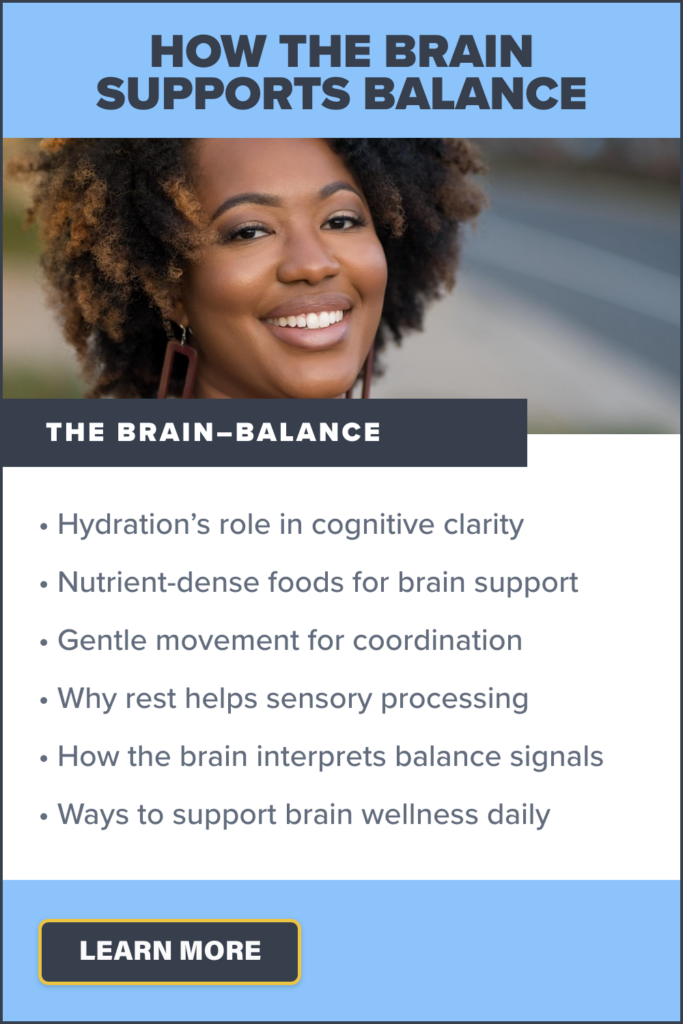
How Brain Wellness Supports Balance
Because the brain is the command center for balance, supporting cognitive wellness may also support steadiness. Here are a few educational insights:
1. Hydration Supports Cognitive Function
The brain is highly sensitive to hydration levels. Drinking water throughout the day helps maintain clarity and focus.
2. Nutrient‑Dense Foods Support Brain Cells
Leafy greens, berries, nuts, seeds, and whole grains provide antioxidants and healthy fats that support overall brain wellness.
3. Gentle Movement Encourages Coordination
Activities like walking, stretching, or slow balance exercises help strengthen the communication pathways between the brain and body.
4. Rest Allows the Brain to Reset
Quality sleep helps the brain process sensory information and maintain equilibrium.
Lifestyle Habits That May Support Balance Naturally
Here are simple, approachable habits that many people incorporate into their daily routines to support overall wellness:
1. Stay Hydrated
Drinking water regularly helps maintain circulation and cognitive clarity.
2. Move Slowly When Changing Positions
Standing up gradually gives your body time to adjust.
3. Incorporate Gentle Exercise
Walking, yoga, tai chi, and stretching can help strengthen balance pathways.
4. Prioritize Rest
Sleep supports brain function, coordination, and sensory processing.
5. Reduce Stress When Possible
Breathing exercises, journaling, or quiet moments can help calm the nervous system.
6. Eat a Variety of Whole Foods
Colorful fruits, vegetables, and whole grains provide nutrients that support overall vitality.
7. Limit Overstimulation
Bright lights, loud environments, or rapid movements can overwhelm the senses.
These habits are simple, accessible, and supportive of overall balance and wellness.
Healthy Aging & Balance Awareness
As people age, the systems responsible for balance may require more intentional support. This is a natural part of the aging process, and understanding it can help you stay proactive.
Healthy aging practices often include:
Staying physically active
Supporting hydration
Maintaining social engagement
Eating nutrient‑rich foods
Practicing gentle balance exercises
Supporting cognitive wellness
These habits help maintain confidence, mobility, and independence.
Final Thoughts: Supporting Balance Through Awareness & Daily Habits
Balance is a remarkable system that depends on the inner ear, brain, muscles, and sensory pathways working together. While occasional dizziness or unsteadiness can be unsettling, understanding how the body maintains equilibrium can empower you to make supportive lifestyle choices.
By focusing on hydration, rest, gentle movement, nutrient‑dense foods, and overall wellness, many people find they feel more grounded and steady throughout the day. Exploring natural ingredients, traditional herbs, and mindful habits can also contribute to a sense of clarity and balance.
This educational guide is designed to help you better understand how your body maintains stability—and how you can support it through simple, natural, everyday practices.
Next Steps:
If you’d like to learn more about gentle, natural approaches to inner‑ear and brain wellness, you can explore the link below.
If you’ve ever wondered why your skin sometimes looks radiant and other times dull—despite using the same products—the answer may not be in your skincare routine at all. More and more wellness researchers are exploring the gut–skin connection, a concept showing how your digestive health can influence the appearance, texture, and overall vitality of your skin.
This guide breaks down the science in a simple, approachable way, helping you understand how internal balance may support external radiance.
What Is Skin Cell Turnover—and Why Does It Matter?
Your skin is constantly renewing itself through a natural process called skin cell turnover. Old cells shed, and new cells rise to the surface. When this cycle flows smoothly, your skin tends to look:
Brighter
Smoother
More even in tone
Naturally youthful
But when turnover slows, dead skin cells can build up, leading to:
Dullness
Uneven texture
Visible fine lines
Clogged pores
Dry patches
Many people try to fix these concerns with exfoliants, serums, or expensive treatments. But emerging research suggests that the gut may play a major role in how efficiently your skin renews itself.
How Gut Health Influences Skin Health
Your gut is home to trillions of microorganisms—often called the gut microbiome. These tiny organisms help with digestion, nutrient absorption, and overall wellness. When the gut microbiome is balanced, your body tends to process nutrients more efficiently, which may support healthy skin function.
However, when the gut becomes sluggish or imbalanced, nutrient absorption can slow down. And because your skin relies on vitamins, minerals, and antioxidants to renew itself, this slowdown may influence how quickly your skin cells turn over.
This is why the gut–skin connection has become such a popular topic in natural wellness communities. People are realizing that beauty truly begins within.
Natural Ingredients Often Linked to Gut & Skin Support
The webpage you shared highlights several natural ingredients commonly discussed in wellness spaces. Below is an educational overview of how these ingredients are generally described in natural‑health communities. This is not medical advice—just a look at why these ingredients are popular in holistic wellness discussions.
1. Babchi (Psoralea corylifolia)
Often mentioned in traditional wellness practices, Babchi is associated with skin rejuvenation and is frequently included in natural beauty conversations.
2. Inulin & Dandelion
These are well‑known prebiotics, meaning they help feed beneficial gut bacteria. They are often included in discussions about supporting digestion naturally.
3. Bacillus Coagulans (a probiotic strain)
Probiotics are widely discussed for their potential to support a balanced gut microbiome. Many people associate probiotics with smoother digestion and overall wellness.
4. Fenugreek
Rich in antioxidants, fenugreek is often included in natural beauty and wellness routines for its moisturizing qualities.
5. Lemon Balm
Commonly used in calming teas, lemon balm is frequently mentioned in skin‑soothing and stress‑support conversations.
6. Organic Ginger
Ginger is a popular ingredient for gut comfort, circulation, and overall vitality.
7. Slippery Elm Bark
Often discussed for its soothing properties, especially in relation to the digestive tract.
8. Lion’s Mane Mushroom
A trending ingredient in wellness circles, Lion’s Mane is known for its long history in traditional practices and is often associated with healthy aging.
9. Fennel
Fennel seeds are widely used for digestion and are rich in vitamins that support overall wellness.
Why the Gut–Skin Connection Matters for Healthy Aging
Healthy aging isn’t about reversing time—it’s about supporting your body so it functions at its best. When your gut is balanced, your body may:
Absorb nutrients more efficiently
Support natural energy levels
Maintain smoother digestion
Promote overall wellness
And because your skin depends on internal nourishment, a healthy gut may help support:
A more even complexion
Smoother texture
A natural glow
Better hydration balance
This is why so many people are turning to inside‑out approaches to beauty and wellness.
How to Support the Gut–Skin Connection Naturally
Here are simple, approachable habits that many people incorporate into their daily routines:
1. Add More Prebiotic‑Rich Foods
Examples include bananas, oats, asparagus, garlic, and dandelion greens.
2. Include Probiotic Foods
Yogurt, kefir, sauerkraut, kimchi, and kombucha are popular choices.
3. Stay Hydrated
Water supports digestion and helps maintain skin elasticity.
4. Prioritize Sleep
Rest is essential for both gut balance and skin renewal.
5. Reduce Stress When Possible
Stress can influence digestion and skin appearance. Practices like meditation, journaling, or gentle movement can help.
6. Choose Gentle Skincare
Avoid over‑exfoliating or using harsh products that disrupt the skin barrier.
These habits help support both internal wellness and external radiance.
Final Thoughts: Beauty Begins in the Gut
The gut–skin connection is a fascinating area of wellness research, and while everyone’s body is different, many people find that supporting their digestion naturally enhances how their skin looks and feels. Whether you’re exploring healthy aging, natural skincare, or holistic wellness habits, understanding this connection can help you build a more balanced and supportive routine.
Next Steps
If you’re curious about simple ways to support both gut balance and skin wellness, feel free to read more below.
Struggling with Low Energy? Support Your Mitochondria Naturally. If you’re exploring gentle, research‑supported ways to improve daily energy, this formula is designed to support mitochondrial function — the part of your cells responsible for creating energy. See the Advanced Mitochondrial Formula →
Feeling tired has become so common that many people assume it’s just part of modern life. But when low energy starts affecting your mood, motivation, or ability to enjoy your day, it’s worth exploring what might be happening beneath the surface.
One area gaining attention in the wellness world is cellular energy, especially the role of the mitochondria — often described as the “powerhouses” of the cells. While the science can get complex, the idea is simple: when your cells produce energy efficiently, you feel it. When they don’t, fatigue can show up in your day‑to‑day life.
This article explores why energy dips happen, how lifestyle habits may support natural vitality, and what you can do to feel more balanced and energized throughout the day.
Understanding Your Body’s Energy System (In Simple Terms)
Every cell in your body contains tiny structures called mitochondria, which help convert nutrients into usable energy. Think of them as your internal batteries. When they’re functioning well, you feel steady, consistent energy. When they’re under stress, overloaded, or not supported, you may experience:
tiredness even after sleeping
mental fog
low motivation
slower recovery
reduced stamina
This doesn’t mean anything is “wrong” — it simply means your body may need more support.
Many everyday factors can influence how energized you feel. Some of the most common include:
✔ Stress and overwhelm
Chronic stress can drain your energy reserves over time.
✔ Poor sleep quality
Even if you sleep enough hours, disrupted or shallow sleep can leave you tired.
✔ Nutrient gaps Your body needs a variety of nutrients to support natural energy production.
✔ Sedentary habits Lack of movement can slow circulation and reduce vitality.
✔ Blood sugar swings Large spikes and crashes can leave you feeling drained.
✔ Age‑related changes
Energy production naturally shifts as we get older.
These factors are extremely common — and the good news is that many can be supported with simple, sustainable habits.
These foods help support steady energy throughout the day.
Support Your Cellular Energy (Gently & Naturally) If you’re exploring ways to support mitochondrial function, this formula includes nutrients often studied for energy production, clarity, and stamina.Learn About the Advanced Mitochondrial Formula →
3. Add Gentle Movement Throughout the Day
Movement increases circulation, supports mood, and helps your body feel more awake.
Try:
short walks
stretching
yoga
light strength training
Even 5–10 minutes can help you feel more energized.
4. Support Your Stress Response
Stress is one of the biggest drains on energy. Simple practices can help:
deep breathing
meditation
journaling
stepping outside for fresh air
reducing screen time
These habits help your body shift out of “fight or flight” and into a more balanced state.
5. Prioritize Restorative Sleep
Quality sleep is essential for natural energy. Try:
a consistent bedtime
reducing blue light before bed
a calming nighttime routine
a cool, dark sleep environment
Small changes can support deeper, more restorative rest.
6. Support Your Cellular Energy Naturally
Many people explore natural supplements designed to support cellular energy, mitochondrial function, or overall vitality. While supplements are not treatments or cures, some individuals find they help support:
Many people ask about natural ways to support daily energy, especially when lifestyle changes alone aren’t enough. This formula includes ingredients commonly researched for:
✔ supporting mitochondrial function
✔ promoting steady, all‑day energy
✔ helping reduce mid‑day crashes
✔ supporting clarity and stamina
These factors are extremely common — and the good news is that many can be supported with simple, sustainable habits.
Why Cellular Energy Matters More Than You Think
Your body’s energy system affects more than just how awake you feel. It influences:
mood
motivation
focus
physical stamina
resilience
overall well‑being
When your cells have the support they need, you may notice:
steadier energy
fewer mid‑day crashes
improved clarity
better endurance
a greater sense of vitality
This is why so many people are exploring ways to support cellular energy naturally. Learn more about the Advanced Mitochondrial Formula here.
A Gentle, Sustainable Approach to Feeling More Energized
You don’t need extreme routines or complicated programs to support your energy. Small, consistent habits often make the biggest difference.
A simple daily energy‑supporting routine might look like:
morning hydration
a balanced breakfast
a short walk
nutrient‑rich meals
stress‑relief breaks
a calming nighttime routine
These habits help your body feel supported, nourished, and more resilient.
Final Thoughts: You Deserve to Feel Energized and Present in Your Life
Feeling tired all the time isn’t something you have to accept as “normal.” With gentle lifestyle habits, natural wellness practices, and a deeper understanding of how your body creates energy, you can support your vitality in a sustainable, empowering way.
If you’re exploring gentle, research‑supported ways to improve daily energy, this formula is designed to support mitochondrial function — the part of your cells responsible for creating energy.
If you’ve ever noticed that your skin looks clearer when your digestion feels balanced — or that breakouts and dullness show up during times of stress — you’re not imagining it. More and more research is exploring the gut‑skin connection, a fascinating relationship between your digestive system and the appearance of your skin.
While the gut has always been known for its role in digestion, scientists now believe it may also influence how your skin looks and feels. This doesn’t mean the gut controls everything, but it does suggest that supporting gut wellness may play a role in promoting a calmer, clearer complexion.
Today, we’re diving into what the gut‑skin connection is, why it matters, and how simple daily habits may support both gut health and skin wellness from within.
What Is the Gut‑Skin Connection?
The gut and skin communicate through a network of pathways involving the immune system, the nervous system, and the trillions of microorganisms that live in the digestive tract. This communication is often referred to as the gut‑skin axis.
Researchers believe that when the gut is functioning well, it may help support:
a more balanced appearance
a calmer complexion
improved hydration
overall skin wellness
When the gut feels off — whether from stress, diet, or lifestyle — some people notice changes in their skin, such as dullness or increased sensitivity.
Again, this isn’t about making medical claims. It’s about understanding how interconnected the body truly is.
Why Gut Health Matters for Skin Wellness
Your gut plays a major role in how your body absorbs nutrients, manages stress, and maintains balance. All of these factors can influence the appearance of your skin.
Here are a few ways gut wellness may support skin health:
✔ Nutrient absorption
A healthy gut helps your body absorb vitamins, minerals, and antioxidants that support skin wellness.
✔ Stress response
The gut communicates with the nervous system, which may influence how your skin responds to stress.
✔ Hydration balance
Digestive wellness supports overall hydration, which is essential for glowing skin.
✔ Skin barrier support
A balanced gut may help support the skin’s natural barrier, which keeps moisture in and environmental stressors out.
This is why so many people are turning to gut‑supporting routines as part of their overall skin‑care approach.
Foods That Support Gut + Skin Health
Pinterest searches for “foods for glowing skin,” “gut‑healthy meals,” and “clear skin naturally” are trending for a reason — what you eat can play a meaningful role in how your skin looks and feels.
Here are some gentle, beginner‑friendly foods that may support both gut and skin wellness:
Berries
Rich in antioxidants that support overall skin vitality.
Leafy greens
Nutrient‑dense and supportive of digestive balance.
Healthy fats
Avocados, nuts, and seeds help support skin hydration.
Fiber‑rich foods
Sweet potatoes, oats, and legumes help nourish the gut microbiome.
Herbal teas
Ginger, peppermint, and chamomile may support digestive comfort.
These foods are simple to incorporate and can be part of a natural, whole‑body approach to skin wellness.
Daily Habits That Support Gut + Skin Wellness
You don’t need complicated routines or expensive products to support the gut‑skin connection. Small, consistent habits can make a meaningful difference over time.
Here are a few gentle practices to try:
✔ Stay hydrated
Water supports digestion and helps keep skin looking fresh.
✔ Add more fiber
Fiber nourishes the gut and supports regularity.
✔ Prioritize sleep
Rest supports both digestive balance and skin renewal.
✔ Manage stress
Deep breathing, stretching, and mindfulness can help calm the gut‑skin axis.
✔ Move your body
Gentle movement supports digestion and overall wellness.
✔ Choose whole foods
Colorful, nutrient‑rich foods support both gut and skin health.
These habits are simple, sustainable, and easy to build into your daily routine.
The Role of Natural Supplements in Gut + Skin Support
Many people explore natural supplements as part of their gut‑skin routine. While supplements are not a cure or treatment for any condition, some individuals find that certain ingredients help support digestive comfort, nutrient absorption, or overall skin wellness.
Commonly explored ingredients include:
prebiotics
probiotics
plant‑based fibers
herbal blends
antioxidant‑rich botanicals
Everyone’s body is different, so it’s important to choose options that align with your personal needs and preferences.
Educational resources can help you understand how these ingredients work and what to look for when exploring natural gut‑support products.
Why Gut‑Skin Wellness Is Trending on Pinterest
Pinterest users are increasingly searching for:
“gut‑skin connection”
“clear skin from within”
“gut health for glowing skin”
“reduce bloating naturally”
“foods for clear skin”
“natural skin support”
“skin wellness from within”
People want simple, natural ways to support their skin — not complicated routines or harsh products.
The gut‑skin connection offers a gentle, holistic approach that resonates with anyone seeking a calmer, clearer complexion.
A Gentle, Sustainable Approach to Skin Wellness
Supporting your gut doesn’t require perfection. It’s about small, consistent choices that help your body feel more balanced.
A sustainable gut‑skin routine might look like:
drinking water first thing in the morning
adding one fiber‑rich food to each meal
taking a short walk after eating
choosing whole foods most of the time
exploring natural supplements if desired
creating a calming nighttime routine
These small steps can support both digestive wellness and skin vitality over time.
Your Skin Reflects Your Inner Wellness
When your gut feels balanced, your skin often reflects that harmony. When your digestion feels calm, your complexion may appear more vibrant. This is the beauty of the gut‑skin connection — it reminds us that caring for our skin starts from within.
You don’t need extreme diets or complicated routines. You just need simple habits, nourishing foods, and a willingness to listen to your body.
If you’re exploring natural ways to support glowing skin from within, you’re already on the right path.
Next steps
If you’d like to explore more simple ways to support gut and skin wellness from within, you can take a look below.
In 2026, more people than ever are looking for ways to earn money online without complicated tech skills, big startup costs, or overwhelming learning curves. The digital world has changed dramatically over the past few years, and with the rise of AI tools, automation, and content‑sharing platforms, earning online has become more accessible than at any other time in history.
But with so many “make money online” ideas floating around, it can be hard to know what actually works — and what’s just noise.
One method that continues to stand out for beginners and experienced creators alike is affiliate marketing, especially when paired with simple automation tools. It’s flexible, scalable, and doesn’t require you to create your own product, manage inventory, or deal with customer service. And when done correctly, it can become a reliable source of online income.
Today, we’re breaking down what affiliate marketing really is, why it works so well in 2026, and how people are using AI and automation to build income streams in less than an hour a day.
🌱 What Is Affiliate Marketing? (And Why It Still Works in 2026)
Affiliate marketing is a simple business model:
You share a product or service you believe in.
Someone clicks your link.
If they make a purchase, you earn a commission.
That’s it.
You don’t need:
a product
a website
inventory
customer support
or even a large audience
This is why affiliate marketing has become one of the most popular online income streams worldwide. It’s beginner‑friendly, low‑risk, and can be done from anywhere.
But what’s changed in 2026 is how people are doing it.
AI tools now make it possible to:
create content faster
automate repetitive tasks
repurpose posts across multiple platforms
track what’s working
and build systems that run even when you’re not online
This shift has opened the door for everyday people — not just marketers — to earn online in a way that feels simple and manageable.
⚡ Why Automated Affiliate Systems Are So Popular Right Now
One of the biggest challenges beginners face is consistency. Creating content every day, posting on multiple platforms, writing emails, and managing links can feel overwhelming.
That’s where automation comes in.
Modern AI tools can help you:
write posts
design graphics
schedule content
track clicks
and even build simple funnels
This means you can focus on the creative part — sharing value — while the system handles the rest.
Some people are now earning with:
Pinterest pins
short‑form videos
simple blog posts
email newsletters
faceless content
curated content from other creators
And they’re doing it without spending hours online.
💡 The #1 Most Overlooked Online Side Hustle in 2026
According to many online educators and affiliate experts, one of the most overlooked opportunities right now is high‑ticket affiliate marketing — promoting products that pay larger commissions per sale.
Instead of earning a few dollars per referral, high‑ticket programs can pay:
$100
$500
even $1,000+ per sale
This means you don’t need a huge audience. You just need a system that works.
And that’s exactly what many people are learning through free online trainings like the one offered by Glynn Kosky — an 8‑figure award‑winning marketer who has helped over 23,000 people start earning online.
His free webclass teaches:
how high‑ticket affiliate marketing works
how to use AI to simplify the process
how to earn without creating your own product
how to get started without big upfront costs
and how to build a simple system that runs in under 37 minutes per day
If you’re curious about how people are earning online in 2026 without complicated tech skills, this training is a great place to start.
👉 You can watch the free class here:https://millionairepartnership.com/webclass-d24-new
🔧 How AI Makes Affiliate Marketing Easier Than Ever
AI has completely changed the way people approach online income. Here are a few ways beginners are using it:
✔ Create content faster
AI tools can help you write posts, captions, emails, and even full blog articles.
✔ Design graphics without design skills
Platforms now offer templates for Pinterest, Instagram, and blogs — no experience needed.
✔ Repurpose content automatically
One idea can become:
a pin
a carousel
a short video
a blog post
an email
✔ Build simple funnels
AI can help you create landing pages, lead magnets, and follow‑up sequences.
✔ Track what’s working
Analytics tools show you which content brings clicks and which links convert.
This means you can spend less time guessing and more time growing.
🌍 Why 2026 Is the Best Time to Start
The online landscape is shifting fast. More people are shopping online, more businesses are offering affiliate programs, and AI tools are making it easier than ever to get started.
You don’t need:
a big following
a website
a marketing background
or a huge time commitment
You just need a simple system — and the willingness to learn.
If you’ve been thinking about earning online, now is the perfect time to explore what’s possible.
🎓 Want to Learn the System Step‑by‑Step?
If you’re curious about how people are earning $1,000+ commissions with automated systems, AI tools, and simple content strategies, this free class breaks it all down in a beginner‑friendly way.
It’s 100% free, beginner‑friendly, and designed to help you understand how automated affiliate systems work — even if you’re starting from scratch.
Memory is one of the most important parts of daily life — it shapes how we learn, how we connect with others, and how we move through the world. While occasional forgetfulness is normal, many people look for natural ways to support long‑term memory, mental clarity, and overall cognitive wellness.
The good news is that small, consistent habits can make a meaningful difference. Below are simple, research‑supported lifestyle practices that help nourish your brain and support healthy memory function over time.
1. Prioritize Quality Sleep
Sleep plays a major role in memory formation. During deep sleep, the brain organizes information, strengthens neural connections, and clears out waste that builds up during the day.
Tips for better sleep
Keep a consistent sleep schedule
Limit screens 1–2 hours before bed
Create a calming nighttime routine
Keep your bedroom cool and dark
Even small improvements in sleep quality can support better recall, focus, and mental clarity.
2. Eat Brain‑Supportive Foods
Certain foods contain nutrients that help support memory and long‑term cognitive wellness.
Great options include:
Leafy greens (spinach, kale, chard)
Berries (especially blueberries)
Omega‑3 rich foods (salmon, walnuts, chia seeds)
Nuts & seeds
Colorful vegetables
These foods provide antioxidants, healthy fats, and vitamins that help nourish the brain.
3. Stay Mentally Active
Just like your muscles, your brain benefits from regular “exercise.” Activities that challenge your mind help strengthen neural pathways and support memory.
Try activities like:
Reading
Learning a new skill
Puzzles or brain games
Creative hobbies
Memory exercises
Even 10–15 minutes a day can make a difference.
4. Move Your Body Daily
Movement increases blood flow to the brain, which helps support memory, focus, and overall cognitive wellness.
Simple ways to add movement
A short morning walk
Stretching or yoga
Light strength training
Dance breaks throughout the day
You don’t need intense workouts — consistency matters more than intensity.
5. Manage Stress Gently
Chronic stress can make it harder to concentrate and remember things. Supporting your nervous system can help your mind feel clearer and more focused.
Try gentle stress‑relief practices
Deep breathing
Meditation
Journaling
Spending time in nature
Slowing down your morning routine
Small moments of calm throughout the day add up.
6. Stay Hydrated
Even mild dehydration can affect memory and focus. Most people feel a noticeable difference in mental clarity when they drink more water.
Try this simple habit
Drink a full glass of water first thing in the morning to “wake up” your brain.
7. Support Your Brain With Consistent Routines
Your brain loves patterns. Simple routines help reduce mental load and free up energy for memory and focus.
Helpful routines include:
A consistent morning ritual
A predictable sleep schedule
A daily movement habit
A calming evening wind‑down
These small anchors help your mind feel more organized and clear.
8. Explore Natural Cognitive Support
Some people also explore natural supplements that support memory, focus, and long‑term cognitive wellness. These may include herbs, nutrients, or plant‑based blends designed to nourish the brain.
If you’re curious, I’ve linked a resource below where you can learn more.
Final Thoughts
Supporting your memory doesn’t require dramatic changes — it’s the small, daily habits that make the biggest difference. When you nourish your brain with sleep, movement, hydration, and calming routines, you create a foundation for clearer thinking and long‑term cognitive wellness.
If you’d like to explore natural ways to support your brain health, you can learn more below.
Many people assume that memory lapses, brain fog, and slower thinking are just a normal part of getting older. But emerging research suggests that cognitive wellness is influenced by far more than age alone. Lifestyle habits, nutrition, stress levels, sleep quality, and even the brain’s internal communication pathways all play a role in how clearly we think and how well we remember things.
The good news? There are simple, natural ways to support your brain’s long‑term health — and you can start at any age.
This article explores the foundational habits that support memory, focus, and mental clarity, along with new insights into how the brain maintains healthy communication between neurons.
1. Why Cognitive Wellness Matters More Than Ever
In today’s world, our brains are constantly processing information — notifications, multitasking, stress, and endless to‑do lists. Over time, this can contribute to mental fatigue, forgetfulness, and difficulty concentrating.
But cognitive wellness isn’t just about staying sharp. It affects:
daily productivity
emotional balance
decision‑making
long‑term brain health
overall quality of life
Supporting your brain now can help you stay mentally strong and resilient for years to come.
2. The Brain’s Natural Communication System
Your brain contains billions of neurons that communicate through tiny electrical and chemical signals. These signals help you:
remember names
stay focused
learn new skills
process information
maintain mental clarity
As we age, these communication pathways can become less efficient. Stress, poor sleep, nutrient deficiencies, and lifestyle habits can all influence how well these signals fire.
This is why supporting the brain’s natural communication system is essential for long‑term cognitive wellness.
3. Daily Habits That Support Memory & Focus
You don’t need complicated routines or extreme lifestyle changes. Small, consistent habits can make a meaningful difference.
✔️ Prioritize Quality Sleep
Sleep is when your brain organizes memories, clears waste, and resets for the next day. Aim for 7–9 hours of restful sleep to support mental clarity and focus.
✔️ Stay Physically Active
Movement increases blood flow to the brain, delivering oxygen and nutrients that support cognitive function. Even a 20‑minute walk can help.
✔️ Eat Brain‑Supportive Foods
Certain foods naturally nourish the brain, including:
leafy greens
berries
nuts and seeds
fatty fish
whole grains
antioxidant‑rich fruits
These foods support energy, focus, and long‑term brain wellness.
✔️ Manage Stress Levels
Chronic stress can affect memory, focus, and mood. Simple practices like deep breathing, stretching, meditation, or journaling can help calm the mind.
✔️ Stay Mentally Engaged
Your brain thrives on stimulation. Try:
reading
puzzles
learning new skills
creative hobbies
memory games
These activities help strengthen neural pathways.
4. The Role of Nutrients in Cognitive Wellness
Your brain requires specific nutrients to function at its best. These nutrients help support:
energy production
neuron communication
memory formation
focus and alertness
long‑term brain health
Many people don’t get enough of these nutrients through diet alone, especially as they age. This is why some individuals explore natural supplements designed to support cognitive wellness as part of a healthy lifestyle.
These supplements often include ingredients that help nourish the brain, support healthy communication between neurons, and promote mental clarity. When paired with daily habits, they can be a helpful addition to a brain‑supportive routine.
5. Understanding Age‑Related Cognitive Changes
It’s normal for the brain to change over time. Many people notice:
slower recall
occasional forgetfulness
difficulty multitasking
mental fatigue
reduced focus
These changes don’t necessarily indicate a problem — they’re often a sign that the brain needs more support.
By focusing on nutrition, sleep, hydration, and mental stimulation, you can help maintain cognitive wellness and support your brain’s natural ability to stay sharp.
6. Building a Brain‑Healthy Daily Routine
Here’s a simple routine you can start today:
Morning
Drink a full glass of water
Get natural sunlight
Eat a nutrient‑rich breakfast
Do a quick mental warm‑up (reading, journaling, puzzles)
Afternoon
Take a short walk
Stay hydrated
Eat whole‑food snacks
Practice stress‑reducing breathing
Evening
Limit screen time before bed
Reflect or journal
Prepare for restful sleep
Support your brain with calming habits
This routine is easy to follow and supports long‑term cognitive wellness.
Final Thoughts
Supporting your memory, focus, and cognitive wellness doesn’t require drastic changes. With simple daily habits, nourishing foods, mental stimulation, and natural lifestyle support, you can help your brain stay clear, energized, and resilient at any age.
If you’re interested in exploring a natural option that aligns with these concepts and supports healthy cognitive function, you can take a look below.
Most people think that brushing, flossing, and using mouthwash are the only things that matter for healthy teeth and gums. But recent research suggests there’s something even more important happening behind the scenes — your oral microbiome.
Your oral microbiome is the community of good and bad bacteria inside your mouth. And just like your gut microbiome affects digestion and immunity, your oral microbiome plays a major role in gum health, fresh breath, enamel strength, and overall oral wellness.
In fact, emerging studies suggest that people with strong, healthy teeth tend to have a higher population of beneficial bacteria in their mouths. These good bacteria help maintain balance, support gum comfort, and create a healthier environment for your teeth.
So if you’ve ever wondered why you brush and floss consistently but still struggle with gum sensitivity, bad breath, or recurring dental issues, your oral microbiome may be the missing piece.
Let’s break down what this means — and how you can naturally support a healthier mouth every day.
1. Why Your Oral Microbiome Matters More Than You Think
Your mouth is home to billions of bacteria — some helpful, some harmful. When the good bacteria thrive, they help:
Support gum health
Maintain fresh breath
Protect enamel
Balance the oral environment
Reduce buildup on teeth
But when the balance shifts, harmful bacteria can take over, leading to:
Gum irritation
Bad breath
Plaque buildup
Tooth sensitivity
Oral discomfort
The goal isn’t to eliminate bacteria — it’s to support the right balance.
2. Why Some Toothpastes and Mouthwashes Can Disrupt That Balance
Many people don’t realize that some common oral‑care products contain harsh ingredients that may disrupt the natural microbiome.
Certain formulas can:
Strip away beneficial bacteria
Dry out the mouth
Create an environment where harmful bacteria thrive
Contribute to long‑term sensitivity
This is why some people feel like they’re “doing everything right” but still struggle with oral‑health issues.
Supporting your oral microbiome means choosing gentle, balanced habits that help good bacteria flourish.
3. Natural Ways to Support a Healthy Oral Microbiome
You don’t need complicated routines or expensive treatments. Small, consistent habits can make a big difference.
✔️ Brush gently with a soft‑bristle toothbrush
Harsh brushing can irritate gums and wear down enamel. Gentle brushing supports a healthier environment.
✔️ Clean between your teeth daily
Flossing or using a water flosser helps remove buildup where bacteria hide.
✔️ Stay hydrated
A well‑hydrated mouth supports saliva production — your body’s natural defense system.
✔️ Eat whole, nutrient‑dense foods
Leafy greens, berries, crunchy vegetables, and probiotic‑rich foods help nourish your oral microbiome.
✔️ Avoid overusing harsh mouthwashes
Alcohol‑based rinses can dry out the mouth and disrupt bacterial balance.
✔️ Consider oral‑health probiotics
Some people choose to support their oral microbiome with targeted probiotics designed for the mouth. These may help maintain a balanced environment when paired with healthy habits.
4. The Science Behind Good Bacteria & Oral Wellness
According to emerging research, people with strong teeth and healthy gums tend to have a higher population of beneficial bacteria in their mouths. These bacteria help create a protective environment that supports long‑term oral wellness.
This is why focusing on the microbiome — not just brushing harder — can make such a difference.
When your oral microbiome is balanced, you may notice:
Fresher breath
More comfortable gums
Less buildup
A cleaner, healthier mouth feel
It’s a simple shift in perspective that can transform your daily routine.
5. Building a Daily Routine That Supports Your Oral Microbiome
Here’s a simple, natural routine you can follow:
Morning
Drink water first
Brush gently
Eat a nutrient‑rich breakfast
Avoid harsh mouthwashes
Afternoon
Stay hydrated
Snack on whole foods
Rinse with water after meals
Evening
Brush gently for 2 minutes
Clean between teeth
Use a gentle rinse if needed
Consider a microbiome‑supporting supplement if desired
This routine is easy, sustainable, and supports long‑term oral wellness.
Final Thoughts
Healthy teeth and gums aren’t just about brushing harder — they’re about supporting the natural ecosystem inside your mouth. By focusing on your oral microbiome, choosing gentle habits, and nourishing your body with whole foods, you can create a healthier environment for your teeth and gums every day.
If you’re interested in exploring natural ways to support your oral microbiome, here’s a helpful resource you can check out below.
Next Steps
If you’d like to explore a simple option that supports daily teeth and gum care, you can take a look below.
Articles, infographics, and practical guidance on memory, mental, physical, and financial health to help people build healthier, more secure lives.
Some links on this site are affiliate links, which means I may earn a small commission if you choose to purchase through them. I only share products I really believe in.