Category: Blood Sugar Management

🥗 Healthy Blood Sugar Tips & Lifestyle Habits – Explore natural ways to manage blood sugar, prevent spikes, and support overall wellness. Find practical nutrition tips, low-carb meal ideas, exercise routines, stress-reduction strategies, and lifestyle habits that promote stable blood sugar levels. Perfect for anyone looking to improve energy, support weight management, and maintain healthy glucose naturally.

Keywords included: blood sugar management, healthy blood sugar, natural remedies, nutrition tips, low-carb meals, exercise routines, lifestyle habits, stable glucose, wellness, healthy living.

  • The Hidden Link Between Blood Sugar, Energy, and Inflammation: What Most People Don’t Know

    In the wellness world, few topics are gaining attention as quickly as blood sugar balance, metabolic health, and inflammation control. These three systems are deeply connected, and when one falls out of balance, the others follow. Understanding this relationship can help you improve energy, support a healthy metabolism, and feel better day‑to‑day.

    This article breaks down the science behind blood sugar swings, why inflammation plays such a big role in metabolic health, and how natural ingredients are becoming increasingly popular for supporting overall wellness.

    Helpful Resource

    Helpful Resource for Metabolic Wellness
    Many people exploring blood sugar balance and energy support find it helpful to pair daily habits with targeted nutritional support. If you’re curious about a supplement designed to support metabolism, inflammation, and vitality, you can explore it here:

    👉 Learn About the Supplement Here »

    Why Blood Sugar Balance Matters More Than Ever

    Blood sugar affects far more than most people realize. It influences:

    • Energy levels
    • Weight management
    • Mood and focus
    • Hormone balance
    • Sleep quality
    • Skin health

    When blood sugar spikes and crashes throughout the day, the body experiences:

    • Fatigue
    • Irritability
    • Sugar cravings
    • Slowed metabolism
    • Increased inflammation
    • Difficulty losing weight

    Over time, these fluctuations can stress the pancreas, disrupt hormones, and contribute to long‑term metabolic challenges.

    The Inflammation–Blood Sugar Connection

    Chronic inflammation is one of the biggest hidden drivers of metabolic imbalance. Research shows that inflammation can:

    • Reduce insulin sensitivity
    • Slow down metabolic rate
    • Increase fat storage
    • Disrupt energy production
    • Affect cognitive function

    This is why anti‑inflammatory ingredients — such as turmeric, pine bark extract, and juniper berry — are becoming increasingly popular. They support the body’s natural healing processes and help maintain stable metabolic function. See the Supplement That Combines Them »

    Energy, Fatigue & the Metabolic Loop

    One of the most common complaints among adults today is low energy. But fatigue is often a symptom, not the root cause.

    When blood sugar is unstable, the body struggles to produce steady energy. This leads to:

    • Afternoon crashes
    • Brain fog
    • Difficulty concentrating
    • Increased caffeine dependence

    Natural adaptogens like eleuthero and gymnema are known for supporting energy, reducing fatigue, and helping the body adapt to stress. Explore a Formula That Includes Them »

    Natural Ingredients That Support Blood Sugar & Metabolic Health

    Here’s a breakdown of some of the most popular natural ingredients associated with metabolic wellness:

    1. Turmeric Rhizome

    A powerful anti‑inflammatory ingredient known for supporting:

    • Blood sugar balance
    • Joint comfort
    • Immune function

    2. Cocoa Bean Extract

    Rich in antioxidants that support:

    • Healthy blood flow
    • Heart health
    • Energy production

    3. Eleuthero

    A natural adaptogen used for:

    • Reducing fatigue
    • Supporting stamina
    • Improving mental clarity

    4. Gymnema

    Often called the “sugar destroyer,” it helps:

    • Reduce sugar cravings
    • Support healthy blood sugar
    • Improve metabolic function

    5. Juniper Berry

    A traditional ingredient known for:

    • Supporting healthy blood pressure
    • Reducing inflammation
    • Improving circulation

    6. Banaba Leaf

    A trending ingredient in metabolic wellness that supports:

    • Digestion
    • Heart health
    • Blood sugar regulation

    Why Blood Sugar Support Is Becoming a Top Wellness Focus

    People are increasingly recognizing that:

    • Weight loss is harder when blood sugar is unstable
    • Energy depends on metabolic efficiency
    • Inflammation affects everything from skin to mood
    • Natural ingredients can support long‑term wellness

    Products like CelluCare are gaining attention because they combine multiple well‑known ingredients into one formula designed to support:

    • Blood sugar balance
    • Energy and vitality
    • Healthy inflammation levels
    • Circulation
    • Metabolic health

    Daily Habits That Support Blood Sugar & Metabolism

    To complement natural ingredients, here are simple habits that support metabolic wellness:

    • Eat protein with every meal
    • Walk for 10 minutes after eating
    • Reduce added sugars
    • Prioritize fiber
    • Stay hydrated
    • Get morning sunlight
    • Manage stress with breathwork
    • Support gut health

    These habits help stabilize blood sugar, reduce inflammation, and improve energy naturally.

    Final Thoughts

    Blood sugar balance isn’t just a health trend — it’s a foundational pillar of wellness. Whether you’re looking to improve energy, support weight management, reduce inflammation, or simply feel better day‑to‑day, understanding your metabolic health is key.

    Natural ingredients like turmeric, gymnema, banaba leaf, and pine bark extract are becoming increasingly popular because they support the body’s natural ability to maintain balance — and formulas like CelluCare combine these ingredients into a simple daily routine.

    If you’re exploring natural ways to support your metabolic health, this is a great place to start.

    Learn more about CelluCare and how it can help you!

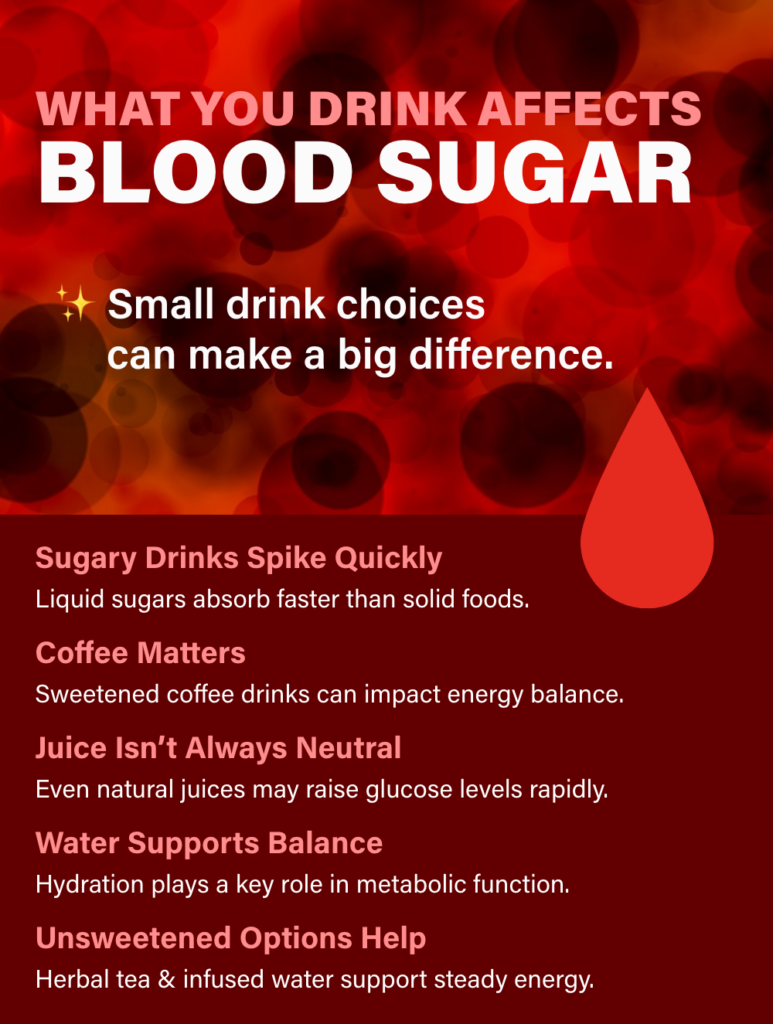
  • How What You Drink Affects Blood Sugar and Energy Levels

    When thinking about blood sugar balance, most people focus on food — but beverages can have just as much impact. In fact, liquids are often absorbed more quickly than solid foods, which may lead to faster changes in energy levels.

    Understanding how different drinks influence your body can help support more stable energy and metabolic balance throughout the day.

    Helpful Resource

    Helpful Resource for Blood Sugar & Steady Energy
    Many people looking to support balanced blood sugar and more consistent energy find it helpful to pair healthy drink choices with gentle, research‑inspired nutritional support. If you’re curious about an option designed to complement daily habits, you can explore it here: Explore the Metabolic Support Formula »


    Why Liquid Sugars Act Differently

    Sugary beverages such as soda, sweet tea, flavored coffee drinks, and energy drinks contain carbohydrates that require little digestion. Because they’re already in liquid form, they may enter the bloodstream more rapidly compared to whole foods that contain fiber and protein.

    This can contribute to:

    • Faster rises in blood glucose
    • Short-lived energy boosts
    • Increased likelihood of energy crashes

    Unlike whole foods, sugary drinks often lack fiber, protein, or fat to slow absorption.

    If you’re working on reducing energy crashes from sugary drinks, here’s a gentle metabolic support option some readers pair with healthier beverage habits.


    The Impact of Sweetened Coffee Drinks

    Coffee itself contains minimal calories and carbohydrates. However, many popular coffee beverages include syrups, sweetened creamers, whipped toppings, and added sugars.

    These additions can significantly increase carbohydrate content, potentially influencing blood sugar response and mid-morning energy levels.

    Choosing simpler options — such as black coffee, unsweetened almond milk, or minimal natural sweeteners — may support more balanced energy.


    Fruit Juice and Smooth Drinks

    Even 100% fruit juice, while natural, lacks the fiber found in whole fruit. Without fiber to slow digestion, natural sugars may be absorbed more quickly.

    Blending whole fruits into smoothies that include protein and healthy fats may help create a more balanced option compared to juice alone.

    If you’re trying to keep your blood sugar steadier throughout the day, you may find this supportive option helpful alongside balanced drink choices.


    The Role of Hydration in Metabolic Health

    Water plays a key role in overall metabolic processes, including circulation and digestion. Proper hydration supports:

    • Energy regulation
    • Appetite awareness
    • General metabolic function

    Mild dehydration can sometimes feel like fatigue or cravings, which may lead to unnecessary snacking.


    Better Beverage Choices for Steady Energy

    Consider incorporating:

    • Water (plain or infused with citrus or herbs)
    • Unsweetened herbal tea
    • Sparkling water without added sugars
    • Black coffee or coffee with minimal additives

    Small drink swaps made consistently can support long-term metabolic wellness.


    Supporting Blood Sugar Through Daily Habits

    Beverage choices are just one piece of the puzzle. Balanced meals, regular movement, adequate sleep, and stress management all contribute to maintaining stable energy levels.

    Some individuals also explore supplements designed to support metabolic health as part of a comprehensive wellness routine. When considering additional support, focus on quality and consult a healthcare professional if needed.

    Next Steps

    Even small changes in what you drink can support steadier blood sugar and energy throughout the day. Some people choose to explore products that complement healthy beverage habits.


    Final Thoughts

    What you drink can influence energy levels more than you might expect. By becoming more mindful of beverage choices, you can support steadier blood sugar patterns and overall metabolic health.

    Sometimes the smallest adjustments — like swapping one daily drink — can create meaningful change over time.


  • Top 3 Protein-Rich Breakfast Ideas for Steady Energy

    Breakfast sets the tone for your entire day. Meals that are high in refined carbohydrates alone may leave you feeling hungry or fatigued within hours. Including adequate protein in the morning can help support steady energy, appetite balance, and overall metabolic health.

    Here are three simple, protein-rich breakfast ideas that are easy to prepare and support long-lasting energy.

    Helpful Resource

    Helpful morning support
    If you want a simple way to support steady energy and fewer mid‑morning crashes, this is a helpful option many readers pair with high‑protein breakfasts.

    Supports:
    • Balanced energy
    • Healthy metabolism
    • Reduced cravings
    • Pairs well with smoothies, quick breakfasts, and busy mornings.

    Learn more


    1. Veggie Omelet with Avocado

    Eggs are a complete protein source and contain essential nutrients that support overall wellness. Pairing eggs with vegetables and healthy fats creates a balanced and satisfying meal.

    How to build it:

    • 2–3 eggs
    • Spinach, mushrooms, peppers, or onions
    • Sliced avocado on top
    • Optional: side of berries

    The combination of protein and healthy fats may help promote satiety and steady energy throughout the morning.


    2. Greek Yogurt Power Bowl

    Greek yogurt is naturally high in protein and easy to customize. When combined with fiber-rich toppings, it becomes a balanced breakfast that supports fullness and metabolic stability.

    How to build it:

    • Plain Greek yogurt (unsweetened)
    • Fresh berries
    • Chia seeds or flaxseeds
    • A small handful of nuts
    • Optional drizzle of nut butter

    Choosing unsweetened yogurt helps reduce added sugars while still delivering protein and probiotics.


    3. Balanced Protein Smoothie

    Smoothies can be quick and convenient, especially on busy mornings. The key is including enough protein and healthy fats to avoid energy dips.

    How to build it:

    • Protein powder (whey or plant-based)
    • Unsweetened almond or coconut milk
    • Handful of spinach
    • Nut butter or chia seeds
    • Frozen berries

    Blending protein with fiber and healthy fats supports more gradual digestion compared to fruit-only smoothies.

    If you’re looking for an easy way to add more protein or metabolic support to your mornings, here’s a helpful option many people use alongside whole‑food meals.


    Why Protein at Breakfast Matters

    Including protein in your first meal of the day may help:

    • Support steady blood sugar response
    • Reduce mid-morning cravings
    • Promote fullness and portion control
    • Support muscle maintenance

    Balanced meals often contribute to more stable energy patterns compared to high-sugar breakfasts.

    Some readers like pairing these breakfast habits with additional metabolic support. If that’s you, here’s a simple place to start.


    Optional Support

    In addition to whole-food protein sources, some individuals incorporate high-quality protein powders or metabolic support supplements into their routines. When choosing supplements, prioritize reputable brands and consult a healthcare professional if needed.


    Final Thoughts

    A protein-rich breakfast doesn’t have to be complicated. Simple combinations of protein, fiber, and healthy fats can help support steady energy and overall metabolic health throughout the day.

    Small changes in your morning routine may lead to noticeable improvements in how you feel by mid-morning.

    Next Steps

    In addition to nutrient‑packed meals, a few individuals explore products that support overall energy and metabolic balance. Below is a supportive option you may find helpful:

  • Daily Habits That Help Maintain Balanced Blood Sugar and Steady Energy

    Maintaining balanced blood sugar levels is about more than avoiding sugar. It’s about creating consistent daily habits that support stable energy, metabolic health, and overall well-being.

    Instead of focusing on restriction, a supportive approach emphasizes balance, timing, and quality of nutrition.


    Why Blood Sugar Balance Matters

    Blood sugar naturally rises and falls throughout the day. However, sharp spikes and crashes may leave you feeling fatigued, irritable, or craving quick sources of energy.

    Creating stability can help support:

    • Consistent energy levels
    • Fewer mid-day crashes
    • Better focus and concentration
    • Reduced cravings

    Small adjustments in daily routines can make a noticeable difference over time.


    1. Build Meals Around Protein First

    Starting meals with a protein source may help slow digestion and promote steadier energy release. Eggs, Greek yogurt, fish, poultry, legumes, or plant-based proteins are all solid options.

    When protein is paired with healthy fats and fiber, meals tend to feel more satisfying and balanced.


    2. Be Mindful of Carbohydrate Quality

    Not all carbohydrates are equal. Highly refined options may digest quickly, while whole, fiber-rich carbohydrates digest more gradually.

    Choosing foods like:

    • Vegetables
    • Legumes
    • Whole grains
    • Seeds

    can support a smoother glucose response compared to heavily processed foods.


    3. Spread Movement Throughout the Day

    Exercise doesn’t have to mean intense workouts. Light movement throughout the day — stretching, walking, or standing breaks — can support healthy metabolic processes.

    Consistency matters more than intensity when it comes to long-term balance.


    4. Create Consistent Meal Timing

    Irregular eating patterns may contribute to energy fluctuations. Establishing predictable meal times can help your body maintain a rhythm and support steadier blood sugar patterns.

    This doesn’t mean rigid scheduling — just reducing long gaps followed by large meals.


    5. Support Stress Management

    Stress influences hormone levels that play a role in metabolic health. Daily calming habits such as deep breathing, journaling, light exercise, or quiet time can support overall balance.

    Sleep also plays a key role in regulating appetite and energy cycles.


    Considering Additional Support

    Alongside nutrition and lifestyle habits, some individuals explore supplements formulated to support metabolic wellness as part of a balanced routine. When evaluating options, focus on quality ingredients and consult a healthcare professional if you have specific health concerns.


    Final Thoughts

    Balanced blood sugar isn’t about perfection — it’s about consistency. Small habits practiced daily can support steady energy, fewer crashes, and long-term metabolic health.

    Simple routines often create the strongest foundation for sustainable wellness.

    Next Steps:

    In addition to lifestyle strategies for glucose balance, a few individuals look into products designed to support metabolic health. Below is a supportive product option you may find helpful:

  • How Exercise Supports Healthy Blood Sugar Levels

    Regular physical activity plays an important role in supporting healthy blood sugar levels and overall metabolic health. When you move your body, your muscles use glucose for energy, which can help support balanced blood sugar response.

    Both strength training and cardiovascular exercise offer benefits. Walking after meals, light resistance training, cycling, or swimming can all support steady energy and metabolic function. Even short 10–15 minute walks may help support healthy glucose balance as part of a consistent routine.

    Exercise may also support insulin sensitivity, which helps your body use glucose more efficiently. Over time, consistent movement can contribute to improved energy levels and long-term wellness.

    For best results, combine regular exercise with balanced nutrition, hydration, and adequate sleep. Small, consistent habits often make the biggest difference when it comes to supporting healthy blood sugar levels naturally.

    Helpful Resource

    Supporting Healthy Blood Sugar Levels
    If you’re focusing on steady energy, balanced cravings, and healthier blood sugar levels — especially as you add more movement into your routine — many people explore gentle, plant‑based nutritional support to complement their daily habits.
    One option designed to support metabolic wellness is:

    GlucoTonic
    A natural, plant‑forward formula created to support healthy blood sugar levels, steady energy, and metabolic balance — especially helpful when paired with regular movement and mindful eating.

    Explore GlucoTonic here

    This resource is simply here if you’re looking for additional support as you build healthy, sustainable habits.

    How Different Types of Movement Support Blood Sugar in Unique Ways

    While any movement is beneficial, different forms of exercise support healthy blood sugar levels in slightly different ways. Understanding these differences can help you build a routine that feels both effective and sustainable.

    1. Low‑Intensity Movement (Walking, Light Cycling, Gentle Yoga)

    Low‑intensity activities help your muscles use glucose steadily without placing stress on the body. Even short bouts — like a 10‑minute walk after meals — can support a healthy post‑meal glucose response. This type of movement is especially helpful for people who are easing into exercise or recovering from fatigue, illness, or long periods of inactivity.

    Low‑intensity movement also supports circulation, digestion, and overall metabolic flexibility, making it a great foundation for daily wellness.

    2. Strength Training and Muscle‑Building Exercises

    Building muscle plays a powerful role in long‑term blood sugar balance. Muscle tissue acts like a “glucose reservoir,” meaning the more lean muscle you have, the more efficiently your body can store and use glucose.

    Strength training may support:

    • Improved insulin sensitivity
    • Better glucose uptake during and after workouts
    • Increased resting metabolic rate
    • More stable energy throughout the day

    You don’t need heavy weights to see benefits — bodyweight exercises, resistance bands, or light dumbbells can all make a meaningful difference.

    If you’re beginning to add more movement into your routine and want gentle support for healthy blood sugar levels, here’s a simple option to explore. Support Healthy Blood Sugar Naturally

    3. Moderate Cardio (Swimming, Jogging, Rowing, Dancing)

    Moderate aerobic exercise helps your body use glucose quickly for energy, which may support healthy blood sugar levels both during the activity and afterward. Many people also find that moderate cardio helps reduce stress — and since stress hormones can influence glucose levels, this creates an additional layer of support.

    4. High‑Intensity Interval Training (HIIT)

    Short bursts of higher‑intensity movement can support insulin sensitivity and metabolic health, but they’re not necessary for everyone. HIIT can be helpful for people who enjoy faster‑paced workouts, but gentle, consistent movement is just as effective for many individuals.

    Why Consistency Matters More Than Intensity

    One of the most important things to remember is that you don’t need long or intense workouts to support healthy blood sugar levels. What matters most is consistency. Small, daily habits — like walking after meals, stretching in the morning, or doing a few minutes of strength work — can create meaningful improvements over time.

    Your body responds best to movement that feels sustainable, enjoyable, and aligned with your current energy levels.

    If you’re ready to support your metabolism as you build consistent exercise habits, this may be a helpful next step. Explore GlucoTonic for Metabolic Support

    Pairing Movement With Other Daily Habits

    Exercise works even better when paired with simple lifestyle practices such as:

    • Balanced meals with protein, fiber, and healthy fats
    • Staying hydrated
    • Getting enough sleep
    • Managing stress through breathing, mindfulness, or gentle stretching

    Together, these habits help create a stable internal environment that supports healthy blood sugar levels naturally.

  • 5 Things That Support Healthy Blood Sugar Levels

    Maintaining healthy blood sugar levels is an important part of overall wellness and long-term metabolic health. While occasional fluctuations are normal, consistent daily habits can help support balanced energy, stable glucose response, and overall vitality. Here are five practical lifestyle strategies that naturally support healthy blood sugar levels.

    Helpful Resource

    Helpful Resources for Healthy Blood Sugar Support
    Blood Sugar Support+ (Advanced Bionutritionals)

    Formulated with botanicals and nutrients that support metabolic wellness and healthy glucose response.
    Learn more about Blood Sugar Support+

    1. Eat Balanced, Nutrient-Dense Meals

    Balanced meals that combine protein, healthy fats, and fiber-rich carbohydrates can help support steady energy throughout the day. Protein and fats slow digestion, while fiber helps moderate how quickly carbohydrates are absorbed.

    Try building your plate with:

    • Lean protein (eggs, chicken, fish, tofu)
    • Healthy fats (avocado, olive oil, nuts, seeds)
    • Fiber-rich vegetables and whole foods

    This combination supports a more gradual glucose response compared to refined or highly processed foods.


    2. Move Your Body Regularly

    Physical activity plays a key role in metabolic health. Even light movement, such as a 10–15 minute walk after meals, can support the body’s natural glucose regulation processes.

    Consistent exercise — including strength training and low-impact cardio — supports overall insulin sensitivity and long-term wellness.


    3. Prioritize Whole, Minimally Processed Foods

    Highly processed foods and refined sugars can cause rapid spikes and dips in energy. Choosing whole foods instead helps support steadier blood sugar levels.

    Focus on:

    • Vegetables and leafy greens
    • Legumes and whole grains
    • Lean proteins
    • Healthy fats

    Whole foods provide fiber and nutrients that support metabolic balance.


    4. Stay Properly Hydrated

    Hydration is often overlooked but plays an important role in overall metabolic function. Drinking enough water throughout the day supports circulation, digestion, and energy balance.

    Aim for consistent hydration rather than waiting until you feel thirsty.


    5. Get Consistent, Quality Sleep

    Sleep impacts nearly every system in the body, including hormones that influence appetite and glucose metabolism. Poor or inconsistent sleep may contribute to energy crashes and increased cravings.

    Establishing a regular sleep routine and aiming for 7–9 hours per night supports healthy metabolic function and overall well-being.


    Supporting Your Lifestyle

    In addition to these foundational habits, some people explore nutritional supplements designed to support metabolic health and balanced blood sugar levels as part of a healthy lifestyle. When considering supplements, focus on reputable brands and speak with a healthcare professional if you have specific health concerns.


    Final Thoughts

    Healthy blood sugar support isn’t about quick fixes — it’s about consistent, sustainable habits. Balanced nutrition, regular movement, hydration, and sleep work together to support steady energy and long-term metabolic wellness.

    Small daily choices can make a meaningful difference over time.

    If you’re ready to support your blood sugar naturally, here’s a simple next step.