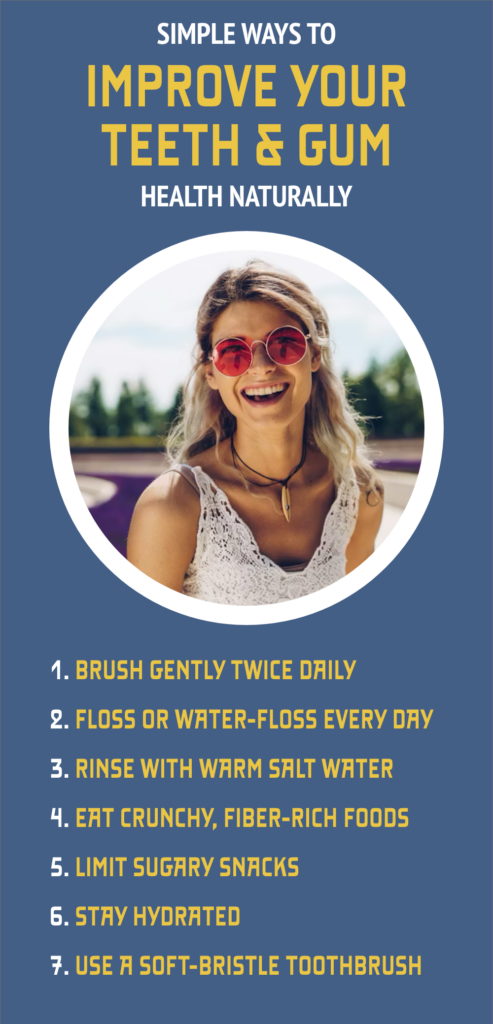
Taking care of your teeth and gums is about more than just having a bright smile. Your oral health plays a critical role in your overall well-being. The mouth is home to millions of bacteria, both beneficial and harmful, and maintaining a healthy balance is one of the most important factors in protecting your teeth and gums long-term.
Many dental problems—including gum irritation, bad breath, tooth sensitivity, and enamel weakening—develop gradually when harmful bacteria begin to outnumber beneficial ones in the mouth. Supporting your oral environment through daily habits can help protect teeth, strengthen enamel, and keep gums healthy.
Here are some of the most effective ways to improve dental health naturally.
1. Maintain a Balanced Oral Microbiome
Your mouth contains a complex ecosystem of bacteria called the oral microbiome. When this balance is healthy, beneficial bacteria help protect the teeth and gums from harmful microbes that cause plaque buildup, gum inflammation, and decay.
However, factors such as diet, stress, poor oral hygiene, and certain medications can disrupt this balance.
To support a healthy oral microbiome:
- Avoid excessive sugar and processed foods
- Drink plenty of water to keep saliva flowing
- Eat whole foods rich in vitamins and minerals
- Avoid overusing harsh antibacterial mouthwashes
Saliva plays an important role in maintaining this balance by neutralizing acids and washing away bacteria and food debris.
2. Brush Properly (Not Aggressively)
Brushing your teeth is essential, but how you brush matters just as much as how often you brush.
Dentists generally recommend:
- Brushing twice a day
- Brushing for at least two minutes
- Using a soft-bristled toothbrush
- Holding the brush at a 45-degree angle toward the gums
Gentle circular motions help remove plaque without damaging gum tissue. Brushing too hard can actually lead to gum recession and increased tooth sensitivity over time.
3. Don’t Skip Flossing
Brushing alone cannot clean the spaces between your teeth.
Flossing removes plaque and food particles from areas a toothbrush cannot reach, helping prevent cavities and gum disease. Daily flossing is recommended because it can remove plaque buildup between teeth where brushing misses a significant portion of the tooth surface.
Flossing also helps reduce bad breath and gum irritation caused by trapped food particles.
4. Support Enamel Remineralization
Tooth enamel is the protective outer layer of your teeth. Over time it can weaken due to acid exposure from food, drinks, or bacterial activity.
Minerals such as calcium and phosphate help rebuild and strengthen enamel in a process called remineralization. Some dental products and minerals, such as hydroxyapatite, are designed to help restore mineral content and support stronger enamel.
Ways to naturally support enamel health include:
- Eating calcium-rich foods like leafy greens and dairy
- Drinking water after acidic foods
- Avoiding frequent snacking on sugary foods
- Using fluoride or mineral-supporting dental products
5. Reduce Plaque and Bacterial Buildup
Plaque is a sticky film made of bacteria and sugars that attaches to the teeth and gums. If plaque remains on the teeth too long, it can harden into tartar and contribute to gum disease.
Certain enzymes and natural compounds help break down plaque biofilms and limit harmful bacterial growth in the mouth.
You can help control plaque buildup by:
- Brushing twice daily
- Flossing regularly
- Cleaning your tongue
- Drinking water after meals
- Visiting a dentist for regular cleanings
6. Support Gum Health
Healthy gums are the foundation of strong teeth. When gums become inflamed or irritated, the tissues that support the teeth can weaken.
Common signs of gum problems include:
- Bleeding when brushing or flossing
- Swollen or red gums
- Persistent bad breath
- Gum tenderness
Nutrients such as vitamin C, antioxidants, and plant compounds can support healthy gum tissue and reduce inflammation.
Good gum health habits include:
- Gentle brushing along the gum line
- Flossing daily
- Eating antioxidant-rich foods
- Staying hydrated
7. Try Natural Oral Care Practices
Some traditional oral care habits may help complement your daily routine.
One example is oil pulling, a practice that involves swishing natural oils such as coconut oil in the mouth to help remove bacteria and support oral hygiene. Some experts suggest it may help reduce plaque, improve breath, and lower gum inflammation.
Other natural habits include:
- Eating crunchy vegetables that stimulate saliva
- Chewing sugar-free gum to promote saliva flow
- Limiting sugary drinks and acidic beverages
8. Visit Your Dentist Regularly
Even with excellent home care, regular dental checkups are essential.
Professional cleanings help remove hardened plaque and tartar that cannot be removed with brushing alone. Dentists can also detect early signs of gum disease, enamel wear, and other dental concerns before they become serious.
Most dental professionals recommend visiting the dentist at least twice a year for preventive care.
The Bottom Line
Healthy teeth and gums depend on consistent daily habits and maintaining a balanced oral environment.
By supporting your oral microbiome, practicing proper brushing and flossing, strengthening enamel, and reducing bacterial buildup, you can significantly improve long-term dental health.
Small habits practiced every day—like brushing properly, staying hydrated, and eating nutrient-rich foods—can make a major difference in protecting your smile for years to come.
Next steps
If you’re looking for a simple way to support your daily oral‑health routine, here’s a resource you may find useful.