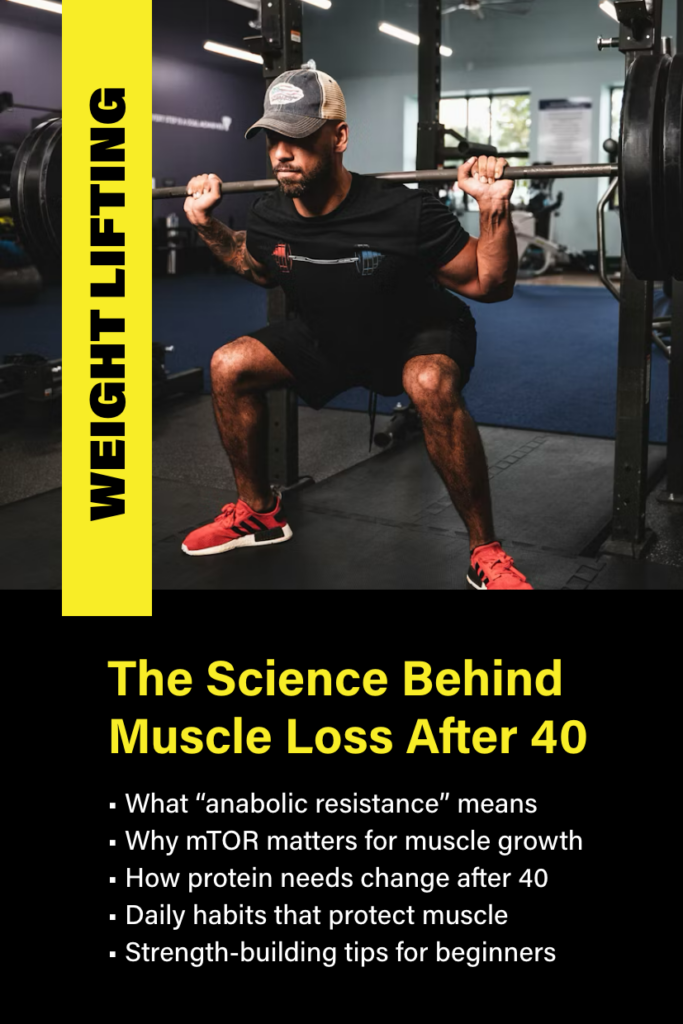
Many people notice a shift in their strength, energy, and muscle tone as they move into their 40s, 50s, and beyond. Tasks that once felt effortless — carrying groceries, climbing stairs, or lifting weights — may suddenly feel more challenging. While this change is common, it’s not inevitable. Modern research shows that the body remains highly adaptable at every age, especially when you understand what’s happening beneath the surface.
This guide breaks down the science of age‑related muscle changes and offers practical, research‑supported strategies to help you stay strong, energized, and confident for decades to come.
Helpful Resource
Helpful Resource for Staying Strong After 40
Many people over 40 find it helpful to pair smart training with targeted nutritional support. If you’re curious about a supplement designed specifically for muscle health as we age, you can explore it here.
Why Muscle Loss Happens With Age
One of the biggest reasons muscle becomes harder to build after 40 is a natural shift in how the body responds to protein and exercise. Scientists call this anabolic resistance — a reduced ability to turn protein into new muscle tissue.
A key player in this process is an enzyme known as mTOR, often described as the body’s “muscle‑building switch.” When mTOR is active, the body builds and repairs muscle efficiently. As we age, this switch becomes less responsive, meaning the same workout or protein intake that once produced noticeable results may no longer be enough.
Other factors contribute as well:
- Slower recovery
- Reduced hormone activity
- Lower physical activity levels
- Changes in appetite and protein intake
- Increased inflammation and oxidative stress
These shifts don’t mean muscle growth is impossible — only that the strategy must evolve.
The Importance of Maintaining Muscle as You Age
Muscle is far more than a cosmetic feature. It plays a central role in nearly every aspect of health and longevity.
1. Strength and Mobility
Losing even a small percentage of muscle can impact balance, stability, and coordination. Research shows that a 10% loss of muscle mass can significantly increase the risk of falls, especially in older adults.
2. Metabolic Health
Muscle is metabolically active tissue. More muscle means:
- Better blood sugar control
- Higher daily energy expenditure
- Improved weight management
3. Joint Support and Posture
Stronger muscles support the spine, hips, and knees, reducing strain and improving posture.
4. Energy and Vitality
People with more lean muscle often report:
- Higher daily energy
- Better stamina
- Improved mood
- Greater confidence
Muscle is one of the most powerful predictors of healthy aging — and it’s never too late to build more.
How to Support Muscle Growth After 40
The key to building muscle later in life is understanding what your body needs now compared to when you were younger. Here are the most effective, research‑supported strategies.
1. Prioritize Strength Training
Strength training is the most powerful tool for maintaining and rebuilding muscle. You don’t need heavy weights or intense workouts — consistency matters more than intensity.
Great options include:
- Bodyweight exercises
- Resistance bands
- Dumbbells
- Machines at the gym
- Functional movements like squats, lunges, and step‑ups
Aim for 2–4 sessions per week, focusing on major muscle groups.
2. Increase Protein Intake (Strategically)
Because the body becomes less efficient at using protein with age, many adults need more protein, not less.
High‑quality protein sources include:
- Eggs
- Fish
- Poultry
- Greek yogurt
- Beans and lentils
- Whey or plant‑based protein powders
Pairing protein with strength training helps stimulate muscle protein synthesis — the process of building new muscle tissue.
3. Support mTOR Activation Naturally
Since mTOR becomes less responsive with age, supporting this pathway can make a meaningful difference in muscle growth.
Ways to naturally support mTOR activity include:
- Consuming leucine‑rich foods (like eggs, dairy, and lean meats)
- Eating enough total protein
- Strength training regularly
- Avoiding long periods of inactivity
Some emerging research also explores specialized amino formulas that may help support these muscle‑building pathways more effectively than standard protein alone. If you’d like to see an example of one of these blends, you can take a look here.
4. Reduce Muscle Breakdown
As we age, the body tends to break down muscle faster than it builds it. Supporting muscle preservation is just as important as stimulating growth.
Helpful habits include:
- Staying active throughout the day
- Avoiding long periods of sitting
- Eating balanced meals with protein, healthy fats, and complex carbs
- Managing stress
- Getting quality sleep
Certain nutrients — such as HMB (beta‑hydroxy beta‑methylbutyrate) — have been studied for their ability to help reduce muscle breakdown, especially in older adults or those recovering from inactivity.
Some supplements combine HMB with additional muscle‑supporting ingredients, which you can explore here.
5. Improve Recovery and Energy
Recovery becomes more important with age. Without proper recovery, the body struggles to repair and rebuild muscle tissue.
To support recovery:
- Get 7–9 hours of sleep
- Stay hydrated
- Stretch or use gentle mobility exercises
- Incorporate rest days
- Eat nutrient‑dense meals
Many people notice that when recovery improves, strength gains follow naturally.
What Muscle Growth Feels Like After 40
When you begin supporting your body with the right habits, you may notice:
- Muscles feeling firmer and more defined
- Improved balance and posture
- More strength during daily activities
- Faster recovery after exercise
- A steady increase in energy
- Greater confidence in your physical abilities
These changes often appear gradually over 4–12 weeks and continue building over time.
Why Muscle Building Is Absolutely Possible at Any Age
One of the most encouraging findings in modern research is that muscle growth is possible well into your 60s, 70s, 80s, and even 90s. Age does not limit your ability to build strength — it simply changes the approach.
Studies show that older adults can:
- Gain significant muscle mass
- Improve strength dramatically
- Increase mobility and balance
- Reduce the risk of falls
- Enhance overall quality of life
The key is understanding the biology of aging and working with your body instead of against it.
Final Thoughts: Strong, Healthy, and Capable at Every Age
Building muscle after 40 isn’t about chasing youth — it’s about supporting your body so you can stay active, independent, and energized for years to come. With the right combination of strength training, protein intake, recovery habits, and muscle‑supporting nutrients, your body can continue to grow stronger at any stage of life.
Ready to Support Stronger Muscles After 40? If you’d like to explore a supplement formulated specifically for muscle strength, recovery, and healthy aging, you can learn more here: