Blog

  • Simple Ways to Take Better Care of Your Teeth and Gums Naturally

    Taking care of your teeth and gums is about more than just having a bright smile. Your oral health plays a critical role in your overall well-being. The mouth is home to millions of bacteria, both beneficial and harmful, and maintaining a healthy balance is one of the most important factors in protecting your teeth and gums long-term.

    Many dental problems—including gum irritation, bad breath, tooth sensitivity, and enamel weakening—develop gradually when harmful bacteria begin to outnumber beneficial ones in the mouth. Supporting your oral environment through daily habits can help protect teeth, strengthen enamel, and keep gums healthy.

    Here are some of the most effective ways to improve dental health naturally.


    1. Maintain a Balanced Oral Microbiome

    Your mouth contains a complex ecosystem of bacteria called the oral microbiome. When this balance is healthy, beneficial bacteria help protect the teeth and gums from harmful microbes that cause plaque buildup, gum inflammation, and decay.

    However, factors such as diet, stress, poor oral hygiene, and certain medications can disrupt this balance.

    To support a healthy oral microbiome:

    • Avoid excessive sugar and processed foods
    • Drink plenty of water to keep saliva flowing
    • Eat whole foods rich in vitamins and minerals
    • Avoid overusing harsh antibacterial mouthwashes

    Saliva plays an important role in maintaining this balance by neutralizing acids and washing away bacteria and food debris.


    2. Brush Properly (Not Aggressively)

    Brushing your teeth is essential, but how you brush matters just as much as how often you brush.

    Dentists generally recommend:

    • Brushing twice a day
    • Brushing for at least two minutes
    • Using a soft-bristled toothbrush
    • Holding the brush at a 45-degree angle toward the gums

    Gentle circular motions help remove plaque without damaging gum tissue. Brushing too hard can actually lead to gum recession and increased tooth sensitivity over time.


    3. Don’t Skip Flossing

    Brushing alone cannot clean the spaces between your teeth.

    Flossing removes plaque and food particles from areas a toothbrush cannot reach, helping prevent cavities and gum disease. Daily flossing is recommended because it can remove plaque buildup between teeth where brushing misses a significant portion of the tooth surface.

    Flossing also helps reduce bad breath and gum irritation caused by trapped food particles.


    4. Support Enamel Remineralization

    Tooth enamel is the protective outer layer of your teeth. Over time it can weaken due to acid exposure from food, drinks, or bacterial activity.

    Minerals such as calcium and phosphate help rebuild and strengthen enamel in a process called remineralization. Some dental products and minerals, such as hydroxyapatite, are designed to help restore mineral content and support stronger enamel.

    Ways to naturally support enamel health include:

    • Eating calcium-rich foods like leafy greens and dairy
    • Drinking water after acidic foods
    • Avoiding frequent snacking on sugary foods
    • Using fluoride or mineral-supporting dental products

    5. Reduce Plaque and Bacterial Buildup

    Plaque is a sticky film made of bacteria and sugars that attaches to the teeth and gums. If plaque remains on the teeth too long, it can harden into tartar and contribute to gum disease.

    Certain enzymes and natural compounds help break down plaque biofilms and limit harmful bacterial growth in the mouth.

    You can help control plaque buildup by:

    • Brushing twice daily
    • Flossing regularly
    • Cleaning your tongue
    • Drinking water after meals
    • Visiting a dentist for regular cleanings

    6. Support Gum Health

    Healthy gums are the foundation of strong teeth. When gums become inflamed or irritated, the tissues that support the teeth can weaken.

    Common signs of gum problems include:

    • Bleeding when brushing or flossing
    • Swollen or red gums
    • Persistent bad breath
    • Gum tenderness

    Nutrients such as vitamin C, antioxidants, and plant compounds can support healthy gum tissue and reduce inflammation.

    Good gum health habits include:

    • Gentle brushing along the gum line
    • Flossing daily
    • Eating antioxidant-rich foods
    • Staying hydrated

    7. Try Natural Oral Care Practices

    Some traditional oral care habits may help complement your daily routine.

    One example is oil pulling, a practice that involves swishing natural oils such as coconut oil in the mouth to help remove bacteria and support oral hygiene. Some experts suggest it may help reduce plaque, improve breath, and lower gum inflammation.

    Other natural habits include:

    • Eating crunchy vegetables that stimulate saliva
    • Chewing sugar-free gum to promote saliva flow
    • Limiting sugary drinks and acidic beverages

    8. Visit Your Dentist Regularly

    Even with excellent home care, regular dental checkups are essential.

    Professional cleanings help remove hardened plaque and tartar that cannot be removed with brushing alone. Dentists can also detect early signs of gum disease, enamel wear, and other dental concerns before they become serious.

    Most dental professionals recommend visiting the dentist at least twice a year for preventive care.


    The Bottom Line

    Healthy teeth and gums depend on consistent daily habits and maintaining a balanced oral environment.

    By supporting your oral microbiome, practicing proper brushing and flossing, strengthening enamel, and reducing bacterial buildup, you can significantly improve long-term dental health.

    Small habits practiced every day—like brushing properly, staying hydrated, and eating nutrient-rich foods—can make a major difference in protecting your smile for years to come.

    Next steps

    If you’re looking for a simple way to support your daily oral‑health routine, here’s a resource you may find useful.


  • Natural Ways to Support and Strengthen Your Immune System

    Your immune system plays an important role in keeping your body healthy. It works continuously to protect you from bacteria, viruses, and other harmful invaders. While the immune system is complex, there are many simple daily habits that can help support its natural function.

    The good news is that many of the most effective strategies involve small lifestyle choices you can start today. From nutrition and sleep to movement and stress management, these habits can help keep your immune system functioning at its best.

    Below are several natural ways to support and strengthen your immune system.

    Helpful Resource

    Looking for simple ways to give your immune system a little extra support?
    Alongside the daily habits in this article, some people like exploring natural, plant‑based wellness options that help with energy, balance, and overall immune function. If you’re curious, you can take a look at one of the options I personally recommend.
    Explore natural immune‑support products

    1. Eat a Nutrient-Rich Diet

    Nutrition is one of the most important factors for immune health. Your immune system relies on vitamins, minerals, and antioxidants to perform properly.

    A diet rich in whole foods provides the building blocks your body needs to fight off illness and maintain strong immune defenses.

    Foods that support immune health include:

    • Fruits rich in vitamin C such as oranges and berries
    • Leafy greens like spinach and kale
    • Garlic and onions
    • Nuts and seeds
    • Whole grains
    • Healthy fats such as olive oil and avocados

    These foods contain antioxidants and essential nutrients that help protect immune cells from damage and support the body’s defense systems.


    2. Get Enough Sleep

    Sleep is one of the most powerful ways to support immune function. When you sleep, your body repairs tissues, regulates hormones, and strengthens immune responses.

    Lack of sleep can weaken the immune system and make it harder for the body to fight infections.

    Most adults benefit from 7–9 hours of quality sleep per night. Creating a consistent sleep schedule, reducing screen time before bed, and keeping your bedroom cool and dark can all help improve sleep quality.

    Many people also find it helpful to pair good sleep habits with natural nutrients that support overall immune balance. If you’d like to explore an option that fits well with these habits, here’s a resource you may find helpful.

    Learn more about natural immune‑support products →


    3. Exercise Regularly

    Regular physical activity can help support immune health by improving circulation and helping immune cells move throughout the body more efficiently.

    Exercise also reduces inflammation and helps the body manage stress levels, which are both important factors for immune balance.

    You don’t need intense workouts to benefit. Moderate activities can be very effective, such as:

    • Walking
    • Cycling
    • Swimming
    • Yoga
    • Strength training

    Even 30 minutes of movement most days of the week can help support overall immune health.


    4. Manage Stress Levels

    Chronic stress can weaken immune defenses by increasing the production of stress hormones such as cortisol.

    When stress levels remain high for long periods of time, the body becomes less effective at responding to infections and inflammation.

    Simple ways to reduce stress include:

    • Deep breathing exercises
    • Meditation or mindfulness
    • Spending time outdoors
    • Journaling
    • Talking with friends or family

    Taking time each day to relax and reset can help restore balance and support the immune system.

    Since stress can take a toll on the immune system, some people choose gentle, plant‑based support to help their body stay balanced. If that sounds useful, you can explore one of the options below.”

    See natural immune‑support options →


    5. Stay Hydrated

    Water plays a crucial role in maintaining many bodily functions, including immune health.

    Proper hydration helps transport nutrients throughout the body, remove toxins, and support the production of lymph, a fluid that carries immune cells.

    Drinking enough water throughout the day helps your body stay balanced and supports optimal immune function.

    Many people aim for 6–8 glasses of water per day, though individual needs can vary depending on activity levels and climate.


    6. Support Gut Health

    A large portion of the immune system is closely connected to the digestive system. Maintaining a healthy gut can therefore play an important role in immune function.

    Foods that support gut health include:

    • Yogurt and fermented foods
    • Fiber-rich vegetables
    • Whole grains
    • Prebiotic foods such as garlic and onions

    A balanced gut microbiome helps regulate immune responses and supports the body’s natural defense system.

    Because gut health and immunity are closely connected, adding nutrient‑dense support can be a simple way to complement the habits in this section. Here’s one option people often look into.”

    Explore immune‑support supplements →


    7. Consider Nutrient-Dense Superfoods

    Certain plant-based foods are known for their high concentration of vitamins, minerals, and antioxidants. Adding these nutrient-dense foods to your diet can help support overall wellness.

    Some people choose to include natural plant supplements or superfoods that provide concentrated nutrition as part of their daily routine.

    When used alongside healthy lifestyle habits, these foods may help support energy levels, immune balance, and overall health.


    Final Thoughts

    Supporting your immune system does not require complicated routines. In many cases, the most effective strategies involve consistent daily habits that promote overall health.

    Eating nutritious foods, getting enough sleep, staying active, managing stress, and maintaining proper hydration all play important roles in helping your immune system function properly.

    By focusing on these simple habits, you can help give your body the tools it needs to stay strong and resilient throughout the year.

    Next Steps

    If you’re interested in adding more nutrient-dense foods to your daily routine, some people choose natural plant-based supplements to help support overall wellness. You can learn more about one option below.

  • How to Use AI-Created Videos to Grow Traffic and Build Passive Income

    Video content dominates the internet. Platforms like YouTube, TikTok, Instagram Reels, and Pinterest all prioritize short, engaging video formats. But traditional video creation requires time, editing skills, and sometimes expensive equipment.

    Artificial intelligence has changed that.

    AI video tools now allow creators to generate professional-looking videos quickly using simple text prompts or scripts. But the real opportunity isn’t just creating videos — it’s using those videos strategically to grow traffic and generate income.

    Here’s how AI-created videos can become a powerful traffic and monetization system.

    Helpful Resource

    Building Passive Income with AI
    Many people exploring AI‑powered content find it helpful to pair their learning with a simple, beginner‑friendly tool that supports automated online earning. If you’re curious about a gentle, step‑by‑step option designed to help you get started, you can explore it here: Explore the Passive Income Starter Resource »


    Step 1: Use AI Videos to Capture Attention

    Traffic begins with visibility.

    AI video tools allow you to:

    • Turn blog posts into short videos
    • Convert written scripts into engaging visuals
    • Repurpose educational content into bite-sized clips
    • Produce consistent content without manual editing

    Consistency is critical for platform growth. The more relevant content you publish, the more opportunities you create for discovery.

    AI lowers the barrier to publishing frequently — which increases traffic potential.

    If you’re beginning to explore AI‑powered content creation and want a simple place to start, this supportive resource may help you take your first steps.


    Step 2: Direct Traffic Strategically

    Creating videos is only part of the system. Each video should lead somewhere.

    Smart traffic destinations include:

    • Blog articles
    • Affiliate review pages
    • Email opt-in pages
    • Digital product offers
    • Resource guides

    For example, a 30-second AI video about memory improvement could link viewers to a detailed blog article. That article can contain affiliate links, digital products, or other monetization methods.

    The video attracts attention. The website converts the traffic. Drive traffic through video creation.


    Step 3: Repurpose Content Across Platforms

    AI video tools make it easier to create once and distribute everywhere.

    One script can become:

    • A vertical video for TikTok
    • A Pinterest idea pin
    • A YouTube Short
    • An Instagram Reel
    • A Facebook video

    Each platform feeds traffic into your main ecosystem — usually your website or email list.

    More distribution = more traffic opportunities.


    Step 4: Monetize With Affiliate Marketing

    Once traffic flows to your blog or landing pages, affiliate marketing becomes a natural monetization layer.

    Affiliate marketing works well with AI video traffic because:

    • Videos educate and build interest
    • Blog posts provide depth and context
    • Affiliate links are placed naturally within helpful content

    Over time, older videos can continue generating traffic to evergreen articles — creating a compounding effect.

    This is where automation begins working in your favor.


    Step 5: Build an Email List for Long-Term Income

    AI videos can also drive traffic to a simple opt-in page offering:

    • A free guide
    • A checklist
    • A mini course
    • A helpful resource

    Once someone joins your email list, automated email sequences can nurture and convert subscribers over time.

    This creates a long-term monetization system:
    Video → Website → Email List → Automated Offers

    The initial work sets up a system that continues functioning in the background.


    Step 6: Focus on Evergreen Topics

    Traffic growth improves when you focus on evergreen subjects — topics people consistently search for.

    Examples include:

    • Weight loss tips
    • Memory improvement
    • Passive income strategies
    • Affiliate marketing basics
    • Productivity systems

    AI tools allow you to quickly produce videos around these high-interest topics. Over time, this content library becomes a long-term traffic asset.


    Step 7: Optimize and Improve

    Even automated systems benefit from small improvements.

    Track:

    • Which videos get the most views
    • Which topics drive the most clicks
    • Which blog posts convert best

    Then create more content around what works.

    AI reduces production time — so you can focus on strategy rather than editing.


    Why AI Video Traffic Works

    AI video creation supports income growth because it combines:

    ✔ Scalability — Produce more content faster
    ✔ Automation — Systems continue working after setup
    ✔ Repurposing — One idea becomes multiple assets
    ✔ Evergreen reach — Content attracts long-term traffic
    ✔ Monetization layers — Ads, affiliates, digital products

    When used strategically, AI video tools become part of a larger online income ecosystem.


    Important Perspective

    AI does not automatically generate income on its own.

    The income comes from:

    • Strategic traffic direction
    • Helpful content
    • Trust building
    • Consistent publishing

    AI simply accelerates the content production side of the equation.


    Final Thoughts

    AI-created videos are more than a creative shortcut — they’re a traffic generation tool. When paired with blog content, affiliate marketing, and automated email systems, they can help build scalable online income streams.

    The key is not just creating videos.

    It’s creating a system where traffic flows intentionally toward monetized assets.

    With consistency and strategy, AI video tools can support both audience growth and passive income development over time.

    Next Steps

    If you’re exploring ways to streamline your content creation and grow your online presence, there are tools that can help simplify the process. Here’s one resource you may find useful as you build your traffic system:

  • How to Make Passive Income on Complete Autopilot

    Imagine earning money while you sleep. No active work, no constant monitoring — your systems work for you. This is the dream of passive income, and thanks to the internet, it’s more achievable than ever.

    While no system is completely “set it and forget it” from day one, there are strategies that can allow your income to become largely automated over time.

    Here’s how to make passive income on complete autopilot.

    Helpful Resource

    Building Passive Income
    Many people exploring passive income find it helpful to pair their learning with a simple, beginner‑friendly tool that supports automated online earning. If you’re curious about a gentle, step‑by‑step option designed to help you get started, you can explore it here: Explore the Passive Income Starter Resource »

    1. Automate Your Sales Funnels

    The backbone of most passive income systems is automation. A sales funnel guides a customer from awareness to purchase without requiring you to manually follow up.

    Key components include:

    • Landing pages that collect email addresses
    • Automated email sequences to nurture leads
    • Checkout systems for digital or physical products

    Once the funnel is set up, customers can move through the buying process automatically, generating income even when you’re offline.


    2. Create Digital Products

    Digital products are ideal for passive income because they:

    • Don’t require inventory
    • Can be delivered automatically
    • Scale infinitely with no extra production cost

    Examples include:

    • E-books or guides
    • Online courses or tutorials
    • Printable planners or templates

    The effort is upfront: create the product once, then let your automated systems handle delivery and payment.

    If you’re exploring content‑based income and want a supportive tool to help you build momentum, you may find this resource helpful.


    3. Leverage Affiliate Marketing

    Affiliate marketing is one of the simplest ways to earn passive income online. You promote other people’s products and earn a commission when someone purchases through your link.

    Automation comes into play when you:

    • Place affiliate links in blog posts or social media content
    • Use automated email campaigns to nurture leads
    • Create evergreen content that continuously drives traffic

    Well-structured affiliate campaigns can generate recurring commissions without daily effort.


    4. Use Email Automation

    Email marketing remains one of the most effective ways to convert prospects into paying customers. Automated email sequences allow you to:

    • Deliver valuable content to your audience
    • Promote products or services at strategic intervals
    • Generate sales consistently without manual follow-up

    Tools like Mailchimp, ConvertKit, or ActiveCampaign can set up automated sequences that work in the background 24/7.


    5. Build Recurring Income Streams

    Recurring revenue is the gold standard for autopilot income. Options include:

    • Membership sites with monthly access fees
    • Subscription-based products or services
    • SaaS (Software as a Service) tools

    Once members or subscribers are enrolled, payments continue automatically, giving you predictable monthly income.


    6. Drive Evergreen Traffic

    Even automated systems need a steady flow of visitors. Evergreen traffic strategies include:

    • SEO-optimized blog posts
    • Pinterest pins linked to valuable content
    • YouTube videos that rank over time

    By generating ongoing traffic, your automated systems continue to convert new leads and sales without constant effort.

    If you’re interested in using automation to build income streams but want guidance on getting started, here’s a helpful option many beginners use.


    7. Monitor and Optimize

    Even autopilot systems benefit from occasional oversight. Tracking metrics like open rates, click-through rates, and conversions helps ensure your income streams are functioning efficiently.

    Small tweaks over time can increase revenue without requiring daily work, keeping your system truly “hands-off.”


    Final Thoughts

    Making passive income on complete autopilot isn’t a magic trick — it’s a combination of automation, digital products, affiliate marketing, and recurring revenue systems. While there’s upfront work to build and optimize these systems, the reward is income that continues to flow while you focus on other priorities.

    Start small. Set up one automated system, test it, refine it, then expand. Over time, your online income can truly work for you — even when you’re asleep.

    Next Steps

    In addition to the systems described above, a few individuals use supportive tools that help streamline and reinforce their passive income efforts. Below is a helpful resource you may want to consider:xt

  • How the Internet Makes Passive Income Ideas Possible — And Actually Work

    The idea of earning money while you sleep used to sound unrealistic. For decades, income was directly tied to time. You worked hours, and you were paid for those hours. If you stopped working, the income stopped too.

    The internet changed that model completely.

    Today, passive income is not just a buzzword — it’s a real business strategy made possible by digital systems, automation tools, and global access. While passive income still requires effort upfront, the internet makes it scalable in ways traditional business models never could.

    Let’s explore how.


    1. Low Startup Costs Lower the Barrier to Entry

    One of the biggest reasons passive income works online is accessibility.

    In the past, starting a business often required significant capital. You needed inventory, a storefront, employees, and overhead expenses. That limited who could participate.

    Online, the barriers are much lower.

    You can:

    • Start a blog with minimal hosting costs
    • Create digital products without manufacturing
    • Promote affiliate products without holding inventory
    • Build an audience through social platforms

    Because startup costs are lower, more people can test ideas and refine them over time.

    Helpful Resource

    Helpful Resource for Building Online Income
    Many people exploring passive income find it helpful to pair their learning with a simple, beginner‑friendly tool that supports online earning. If you’re curious about a gentle, step‑by‑step option designed to help you get started, you can explore it here:
    Explore the Passive Income Starter Resource »

    2. Global Reach Expands Opportunity

    The internet removes geographic limits.

    Instead of selling to customers in your local area, you can reach a global audience. Your content, products, or recommendations are accessible 24 hours a day.

    This global reach increases:

    • Sales potential
    • Audience growth
    • Niche opportunities
    • Scalability

    A digital product created once can be downloaded by customers anywhere in the world — without additional effort from you.


    3. Automation Makes Passive Income Functional

    Automation is what makes passive income actually work.

    Without automation, income still requires manual effort. But online tools allow systems to run in the background.

    Examples include:

    • Email sequences that nurture subscribers
    • Digital products delivered automatically after purchase
    • Affiliate links embedded in content
    • Scheduled social media posts
    • Online checkout systems

    Once set up, these systems can function without constant daily involvement.

    This doesn’t mean zero work — it means leveraged work.

    If you’re interested in creating digital income streams but want guidance on getting started, here’s a helpful option many beginners use.


    4. Digital Products Are Infinitely Scalable

    Physical products require:

    • Manufacturing
    • Shipping
    • Storage
    • Reordering

    Digital products eliminate these variables.

    Examples of scalable digital assets include:

    • E-books
    • Online courses
    • Templates
    • Memberships
    • Printable guides

    You create the product once. After that, it can be sold repeatedly without increasing production costs.

    This scalability is a key reason the internet enables passive income models to function sustainably.


    5. Affiliate Marketing Creates Leverage

    Affiliate marketing is one of the most accessible passive income models online.

    Instead of creating your own product, you:

    1. Share helpful content
    2. Recommend relevant products
    3. Earn a commission if someone purchases

    Because affiliate links remain active in your content, older blog posts and resources can continue generating income over time.

    The key is creating valuable, helpful content first — not focusing only on promotion.

    If you’re exploring content‑based income and want a supportive tool to help you build momentum, you may find this resource helpful.


    6. Content Becomes a Long-Term Asset

    Unlike traditional advertising, online content can work long-term.

    A blog post published today can:

    • Be discovered through search engines
    • Be shared on social media
    • Be pinned on Pinterest
    • Continue generating traffic months or years later

    Each piece of content becomes a digital asset that can compound over time.

    When structured strategically, your online content works like a portfolio of income-producing resources.


    7. Multiple Income Streams Can Exist Simultaneously

    The internet allows income stacking.

    For example, a single blog post can generate:

    • Affiliate income
    • Ad revenue
    • Email subscribers
    • Digital product sales

    This layered structure increases stability. If one income source fluctuates, others may continue performing.

    This diversification is part of what makes online passive income sustainable when done correctly.


    Important Reality: Passive Doesn’t Mean Effortless

    It’s important to stay realistic.

    Passive income requires:

    • Upfront work
    • Learning new skills
    • Consistency
    • Patience

    The internet makes passive income possible, but it still requires thoughtful strategy and time to build.

    Most successful online income systems grow gradually — not overnight.


    Final Thoughts

    The internet didn’t invent passive income, but it made it accessible, scalable, and automatable.

    Low startup costs, global reach, automation tools, and digital delivery systems all work together to create online income opportunities that didn’t exist before.

    With consistency and strategic effort, passive income ideas can evolve into long-term digital assets.

    The key isn’t chasing shortcuts.

    It’s building systems.

    Next Steps

    In addition to the strategies outlined above, some individuals choose supportive products that help streamline or enhance their passive income workflow. Below is a helpful option you may want to consider.

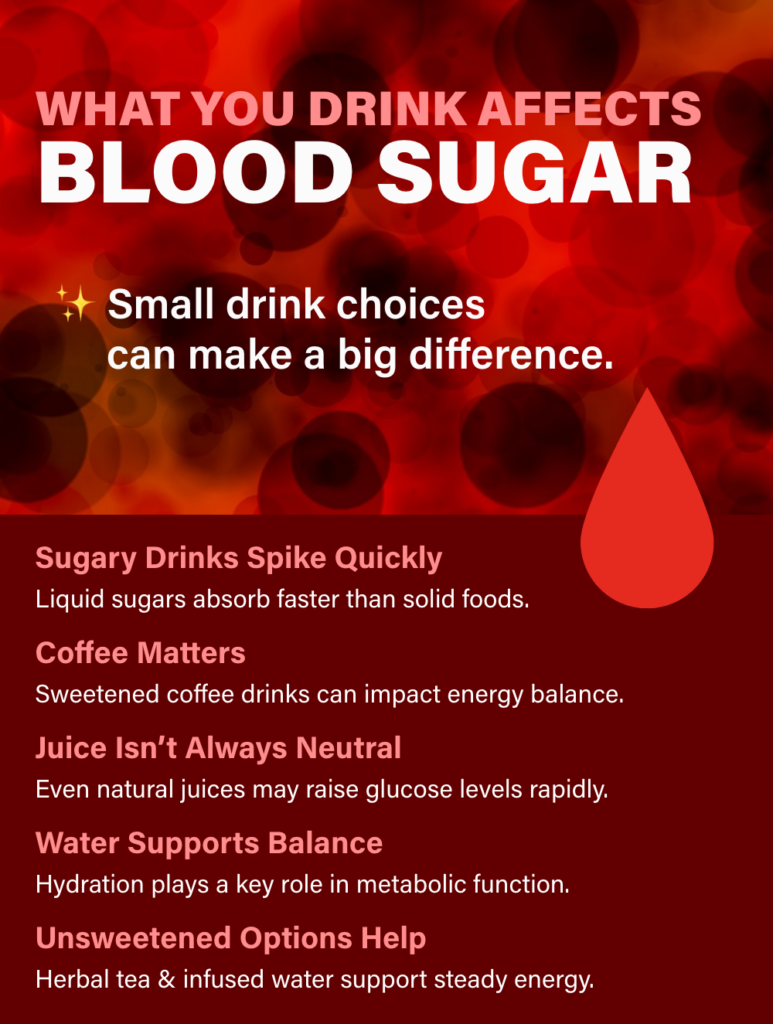
  • How What You Drink Affects Blood Sugar and Energy Levels

    When thinking about blood sugar balance, most people focus on food — but beverages can have just as much impact. In fact, liquids are often absorbed more quickly than solid foods, which may lead to faster changes in energy levels.

    Understanding how different drinks influence your body can help support more stable energy and metabolic balance throughout the day.

    Helpful Resource

    Helpful Resource for Blood Sugar & Steady Energy
    Many people looking to support balanced blood sugar and more consistent energy find it helpful to pair healthy drink choices with gentle, research‑inspired nutritional support. If you’re curious about an option designed to complement daily habits, you can explore it here: Explore the Metabolic Support Formula »


    Why Liquid Sugars Act Differently

    Sugary beverages such as soda, sweet tea, flavored coffee drinks, and energy drinks contain carbohydrates that require little digestion. Because they’re already in liquid form, they may enter the bloodstream more rapidly compared to whole foods that contain fiber and protein.

    This can contribute to:

    • Faster rises in blood glucose
    • Short-lived energy boosts
    • Increased likelihood of energy crashes

    Unlike whole foods, sugary drinks often lack fiber, protein, or fat to slow absorption.

    If you’re working on reducing energy crashes from sugary drinks, here’s a gentle metabolic support option some readers pair with healthier beverage habits.


    The Impact of Sweetened Coffee Drinks

    Coffee itself contains minimal calories and carbohydrates. However, many popular coffee beverages include syrups, sweetened creamers, whipped toppings, and added sugars.

    These additions can significantly increase carbohydrate content, potentially influencing blood sugar response and mid-morning energy levels.

    Choosing simpler options — such as black coffee, unsweetened almond milk, or minimal natural sweeteners — may support more balanced energy.


    Fruit Juice and Smooth Drinks

    Even 100% fruit juice, while natural, lacks the fiber found in whole fruit. Without fiber to slow digestion, natural sugars may be absorbed more quickly.

    Blending whole fruits into smoothies that include protein and healthy fats may help create a more balanced option compared to juice alone.

    If you’re trying to keep your blood sugar steadier throughout the day, you may find this supportive option helpful alongside balanced drink choices.


    The Role of Hydration in Metabolic Health

    Water plays a key role in overall metabolic processes, including circulation and digestion. Proper hydration supports:

    • Energy regulation
    • Appetite awareness
    • General metabolic function

    Mild dehydration can sometimes feel like fatigue or cravings, which may lead to unnecessary snacking.


    Better Beverage Choices for Steady Energy

    Consider incorporating:

    • Water (plain or infused with citrus or herbs)
    • Unsweetened herbal tea
    • Sparkling water without added sugars
    • Black coffee or coffee with minimal additives

    Small drink swaps made consistently can support long-term metabolic wellness.


    Supporting Blood Sugar Through Daily Habits

    Beverage choices are just one piece of the puzzle. Balanced meals, regular movement, adequate sleep, and stress management all contribute to maintaining stable energy levels.

    Some individuals also explore supplements designed to support metabolic health as part of a comprehensive wellness routine. When considering additional support, focus on quality and consult a healthcare professional if needed.

    Next Steps

    Even small changes in what you drink can support steadier blood sugar and energy throughout the day. Some people choose to explore products that complement healthy beverage habits.


    Final Thoughts

    What you drink can influence energy levels more than you might expect. By becoming more mindful of beverage choices, you can support steadier blood sugar patterns and overall metabolic health.

    Sometimes the smallest adjustments — like swapping one daily drink — can create meaningful change over time.


  • Brain Training Exercises You Can Easily Do to Help Support Memory

    Memory is like a muscle — the more you use it, the stronger it can become. While occasional forgetfulness is normal, regularly engaging your brain in stimulating activities may help support memory enhancement and cognitive function over time.

    The good news? Brain training doesn’t require expensive programs or complicated tools. Simple daily exercises can help keep your mind active and engaged.

    Helpful Resource

    Helpful Resource for Memory & Mental Clarity
    Many people looking to support memory, focus, and overall cognitive wellness find it helpful to pair brain‑training habits with gentle, research‑inspired nutritional support. If you’re curious about an option designed to complement daily mental exercises, you can explore it here: Learn About the Memory Support Formula »

    Why Brain Training Matters

    Your brain forms connections called neural pathways. When you challenge your mind, you strengthen existing connections and encourage new ones to form. This process, often referred to as neuroplasticity, supports learning and memory.

    Consistent mental stimulation may help support:

    • Short-term memory
    • Long-term recall
    • Focus and concentration
    • Cognitive flexibility

    Small efforts practiced regularly often make the biggest difference.

    If you’re working on strengthening focus and recall, you may find this gentle cognitive support option helpful alongside daily brain exercises.


    1. Practice Active Recall

    Instead of rereading information, try recalling it without looking. For example:

    • Read a short article and summarize it from memory.
    • After a meeting, list key points without notes.
    • Memorize a short grocery list before shopping.

    Active recall strengthens memory pathways more effectively than passive review.


    2. Learn a New Skill

    Learning something unfamiliar challenges different parts of your brain. This could include:

    • A new language
    • Playing an instrument
    • A new recipe technique
    • A creative hobby

    Novelty stimulates brain activity and supports cognitive growth.

    If you’re building habits that challenge your mind, here’s a supportive option some readers pair with their daily mental routine.


    3. Use Puzzles and Strategy Games

    Crosswords, Sudoku, logic puzzles, memory matching games, and strategy-based board games can all stimulate mental processing and pattern recognition.

    Even 10–15 minutes per day can provide consistent mental engagement.


    4. Practice Verbal Repetition

    After watching a show, reading a book chapter, or having a conversation, retell what you learned in your own words. Teaching or explaining information helps strengthen memory consolidation.

    This technique engages both comprehension and recall.


    5. Change Up Your Routine

    Small changes in daily habits can stimulate your brain:

    • Take a different route while walking
    • Brush your teeth with your non-dominant hand
    • Rearrange your workspace

    Novel experiences activate attention and awareness, which supports memory formation.


    Support Your Brain Holistically

    While brain exercises are helpful, cognitive health also benefits from:

    • Quality sleep
    • Regular physical activity
    • Balanced nutrition
    • Stress management

    Some individuals also explore supplements formulated to support cognitive function as part of a comprehensive brain health routine. When considering supplements, choose reputable products and consult a healthcare professional if needed.

    If you’re exploring ways to support memory and mental clarity beyond daily exercises, this gentle option may be a helpful next step.

    Next Steps

    In addition to regular brain exercises, a few people explore supportive products that complement mental clarity and memory habits. Below is one such option you may find useful:


    Final Thoughts

    Memory improvement doesn’t happen overnight — but consistent mental engagement can support long-term brain health. Simple brain training exercises practiced daily may help enhance recall, focus, and cognitive clarity over time.

    Small habits, repeated consistently, often create the strongest mental resilience.

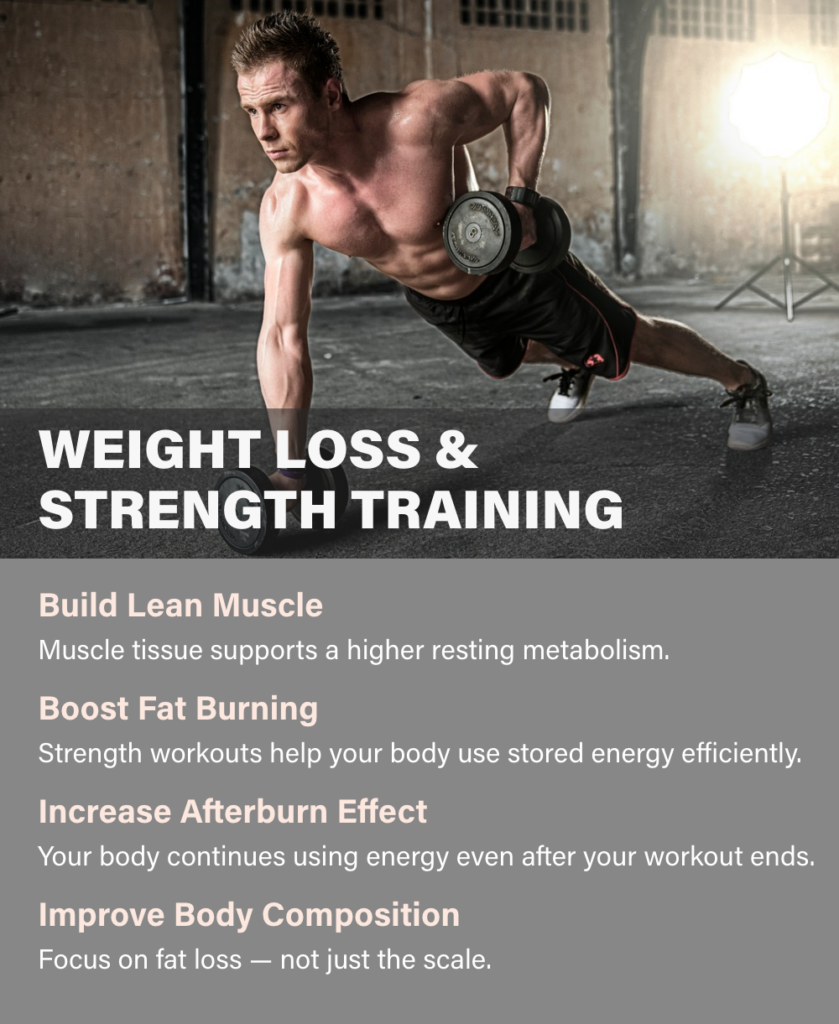
  • How Strength Training Supports Weight Loss and Fat Burning

    When many people think about weight loss, they picture long cardio sessions. While cardiovascular exercise has benefits, strength training plays a powerful role in supporting sustainable fat loss and metabolic health.

    Instead of focusing only on burning calories during a workout, strength training helps reshape how your body uses energy over time.

    Helpful Resource

    Helpful Resource for Metabolism & Steady Energy
    Many people looking to support healthy weight management and balanced energy find it helpful to pair strength training with gentle, research‑inspired nutritional support. If you’re curious about an option designed to complement fat‑burning habits, you can explore it here: Explore the Metabolic Support Formula »

    Why Strength Training Matters for Weight Loss

    Strength training involves using resistance — such as weights, resistance bands, or bodyweight exercises — to build and maintain muscle mass.

    Muscle tissue is metabolically active, meaning it requires energy even at rest. Supporting lean muscle development may help increase your resting metabolic rate, which contributes to overall energy balance.

    This doesn’t mean lifting weights instantly melts fat — but over time, building muscle can support long-term weight management.

    If you’re working on building lean muscle and supporting a healthier metabolism, you may find this gentle metabolic support option helpful.


    Fat Loss vs. Scale Weight

    One important shift in perspective is understanding the difference between losing weight and improving body composition.

    Strength training supports improved body composition, meaning you may look leaner and feel stronger even if the scale doesn’t dramatically change.


    The “Afterburn” Effect

    Resistance workouts may also contribute to increased post-exercise energy use. After an intense strength session, your body continues working to repair muscle tissue, which requires additional energy.

    This process supports overall metabolic activity beyond the workout itself.

    Next Steps

    In addition to regular resistance training and healthy habits, a few individuals explore products that support metabolism and fat burning. Here’s one such helpful option to consider:


    How Often Should You Strength Train?

    For beginners, 2–3 sessions per week can be effective.

    Focus on:

    • Compound movements (squats, lunges, push-ups, rows)
    • Progressive overload (gradually increasing resistance)
    • Proper form and recovery

    Consistency matters more than intensity.


    Combining Strength Training with Other Habits

    Strength training works best when combined with:

    • Balanced nutrition
    • Adequate protein intake
    • Sufficient sleep
    • Stress management
    • Daily movement

    Together, these habits create a supportive environment for fat loss and metabolic health.


    Optional Support Tools

    Some individuals explore protein supplements or metabolism-supporting formulas alongside resistance training routines. These tools can complement a balanced approach when used thoughtfully and responsibly.

    Always prioritize whole foods and consult a healthcare professional if you have specific health concerns.


    Final Thoughts

    Strength training isn’t just about building muscle — it’s about supporting long-term metabolic health and sustainable weight management.

    By focusing on muscle development, consistency, and balanced lifestyle habits, you can support fat loss in a way that feels strong, empowering, and maintainable.

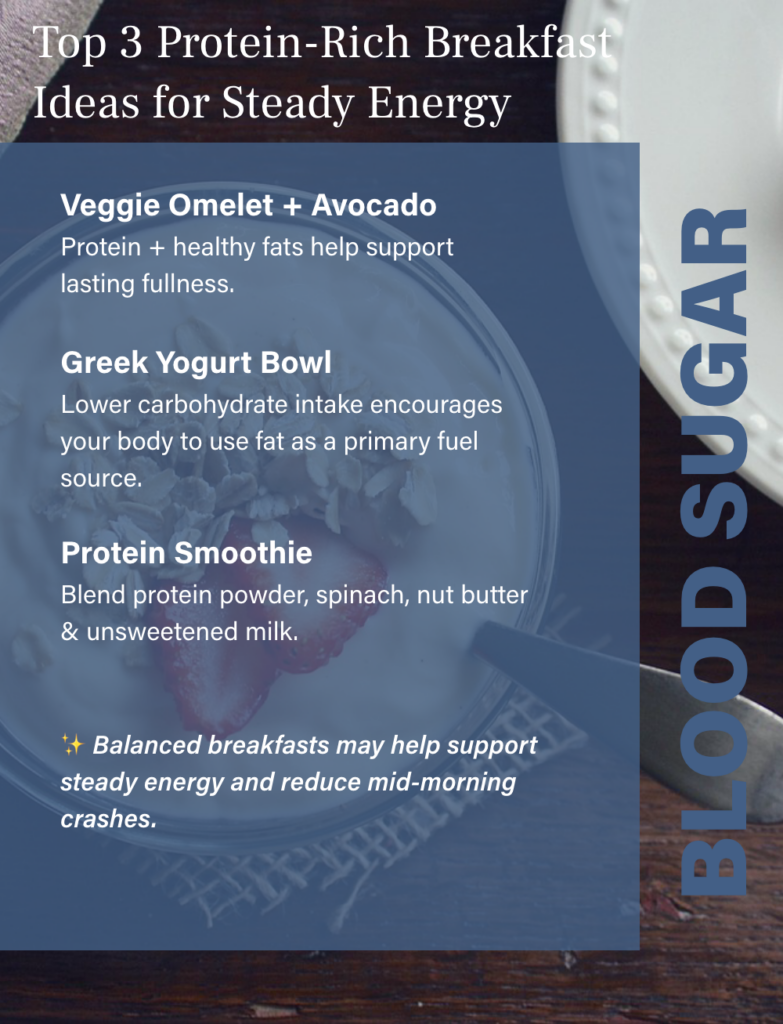
  • Top 3 Protein-Rich Breakfast Ideas for Steady Energy

    Breakfast sets the tone for your entire day. Meals that are high in refined carbohydrates alone may leave you feeling hungry or fatigued within hours. Including adequate protein in the morning can help support steady energy, appetite balance, and overall metabolic health.

    Here are three simple, protein-rich breakfast ideas that are easy to prepare and support long-lasting energy.

    Helpful Resource

    Helpful morning support
    If you want a simple way to support steady energy and fewer mid‑morning crashes, this is a helpful option many readers pair with high‑protein breakfasts.

    Supports:
    • Balanced energy
    • Healthy metabolism
    • Reduced cravings
    • Pairs well with smoothies, quick breakfasts, and busy mornings.

    Learn more


    1. Veggie Omelet with Avocado

    Eggs are a complete protein source and contain essential nutrients that support overall wellness. Pairing eggs with vegetables and healthy fats creates a balanced and satisfying meal.

    How to build it:

    • 2–3 eggs
    • Spinach, mushrooms, peppers, or onions
    • Sliced avocado on top
    • Optional: side of berries

    The combination of protein and healthy fats may help promote satiety and steady energy throughout the morning.


    2. Greek Yogurt Power Bowl

    Greek yogurt is naturally high in protein and easy to customize. When combined with fiber-rich toppings, it becomes a balanced breakfast that supports fullness and metabolic stability.

    How to build it:

    • Plain Greek yogurt (unsweetened)
    • Fresh berries
    • Chia seeds or flaxseeds
    • A small handful of nuts
    • Optional drizzle of nut butter

    Choosing unsweetened yogurt helps reduce added sugars while still delivering protein and probiotics.


    3. Balanced Protein Smoothie

    Smoothies can be quick and convenient, especially on busy mornings. The key is including enough protein and healthy fats to avoid energy dips.

    How to build it:

    • Protein powder (whey or plant-based)
    • Unsweetened almond or coconut milk
    • Handful of spinach
    • Nut butter or chia seeds
    • Frozen berries

    Blending protein with fiber and healthy fats supports more gradual digestion compared to fruit-only smoothies.

    If you’re looking for an easy way to add more protein or metabolic support to your mornings, here’s a helpful option many people use alongside whole‑food meals.


    Why Protein at Breakfast Matters

    Including protein in your first meal of the day may help:

    • Support steady blood sugar response
    • Reduce mid-morning cravings
    • Promote fullness and portion control
    • Support muscle maintenance

    Balanced meals often contribute to more stable energy patterns compared to high-sugar breakfasts.

    Some readers like pairing these breakfast habits with additional metabolic support. If that’s you, here’s a simple place to start.


    Optional Support

    In addition to whole-food protein sources, some individuals incorporate high-quality protein powders or metabolic support supplements into their routines. When choosing supplements, prioritize reputable brands and consult a healthcare professional if needed.


    Final Thoughts

    A protein-rich breakfast doesn’t have to be complicated. Simple combinations of protein, fiber, and healthy fats can help support steady energy and overall metabolic health throughout the day.

    Small changes in your morning routine may lead to noticeable improvements in how you feel by mid-morning.

    Next Steps

    In addition to nutrient‑packed meals, a few individuals explore products that support overall energy and metabolic balance. Below is a supportive option you may find helpful:

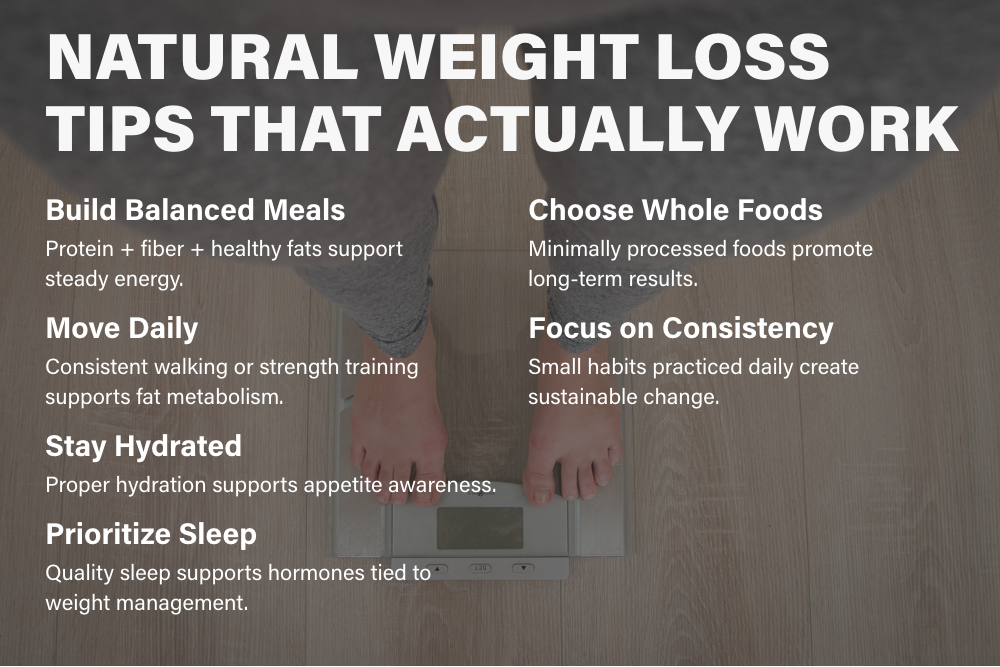
  • Natural Weight Loss Tips for Sustainable, Long-Term Results

    When it comes to weight loss, quick fixes and extreme diets often promise fast results. However, long-term success usually comes from steady, sustainable habits that support your metabolism and overall wellness.

    Natural weight loss isn’t about restriction — it’s about creating balance. Here are practical, research-supported habits that may help support healthy weight management over time.


    1. Build Balanced, Satisfying Meals

    One of the most effective natural weight loss strategies is focusing on meal composition rather than simply cutting calories.

    A balanced plate often includes:

    • Lean protein (chicken, fish, eggs, tofu, legumes)
    • Fiber-rich vegetables
    • Healthy fats (avocado, olive oil, nuts, seeds)

    Protein and fiber may help increase satiety, which can reduce overeating later in the day. Balanced meals also support steadier energy levels, making it easier to stay consistent.


    2. Increase Daily Movement (Not Just Workouts)

    Structured workouts are helpful, but everyday movement also matters.

    Walking, taking stairs, stretching breaks, gardening, and general activity throughout the day contribute to overall energy expenditure. Strength training is particularly valuable because muscle tissue supports metabolic activity.

    The key is consistency — not intensity.

    Some individuals explore supplements formulated to support metabolism or fat burning as part of a comprehensive lifestyle plan. A simple, once‑daily option many people look into is Patriot SlimShot, which pairs well with balanced nutrition and consistent habits.


    3. Improve Sleep Quality

    Sleep plays a powerful role in weight management. Poor sleep may influence hunger hormones and cravings, making it harder to maintain balanced eating patterns.

    Aim for:

    • 7–9 hours per night
    • A consistent sleep schedule
    • Reduced screen time before bed

    Quality sleep supports hormone balance and recovery.
    If you’re working on improving sleep, energy, and overall metabolic balance, you may also appreciate gentle support for natural weight management.

    Explore Natural Metabolic Support


    4. Stay Hydrated Throughout the Day

    Hydration supports digestion, circulation, and appetite awareness. Sometimes thirst is mistaken for hunger, leading to unnecessary snacking.

    Keeping a water bottle nearby and drinking regularly can support mindful eating habits.


    5. Minimize Highly Processed Foods

    Highly processed foods often contain added sugars and refined carbohydrates that digest quickly. This may contribute to energy fluctuations and increased hunger.

    Focusing on whole, minimally processed foods supports more stable energy and balanced nutrition.

    If you’re simplifying your nutrition and focusing on whole foods, here’s a supportive tool that aligns with a natural, sustainable approach.

    See My Recommended Weight‑Loss Support


    6. Manage Stress Levels

    Chronic stress may impact hormones related to appetite and fat storage. Incorporating simple stress management practices — such as walking, journaling, stretching, or deep breathing — supports overall wellness.

    Small calming routines practiced consistently can make a meaningful difference.


    7. Consider Supportive Tools

    Some individuals explore supplements formulated to support metabolism or fat burning as part of a comprehensive lifestyle plan. When considering supplements, prioritize quality and consult a healthcare professional if you have specific health concerns.

    Remember, supplements are most effective when paired with balanced nutrition and consistent habits.

    Helpful Resource

    If you’re focusing on steady energy, balanced cravings, and long‑term weight wellness, many people find it helpful to pair healthy habits with gentle nutritional support. One option designed to complement a natural weight‑loss routine is:
    Patriot SlimShot

    A simple, once‑daily formula created to support metabolic wellness, steady energy, and healthy appetite patterns — especially helpful when paired with balanced meals and consistent movement.
    Explore Patriot SlimShot here

    Final Thoughts

    Natural weight loss is rarely about dramatic changes. Instead, it’s about daily habits that support metabolic health, steady energy, and sustainable routines.

    Balanced meals, movement, hydration, sleep, and stress management work together to create long-term success.

    Progress may feel gradual — but sustainable results often are.

    Next steps

    Some people choose to pair healthy lifestyle habits with additional support tools that may help make natural weight loss more manageable and consistent. Here’s one option that aligns with sustainable weight management goals:

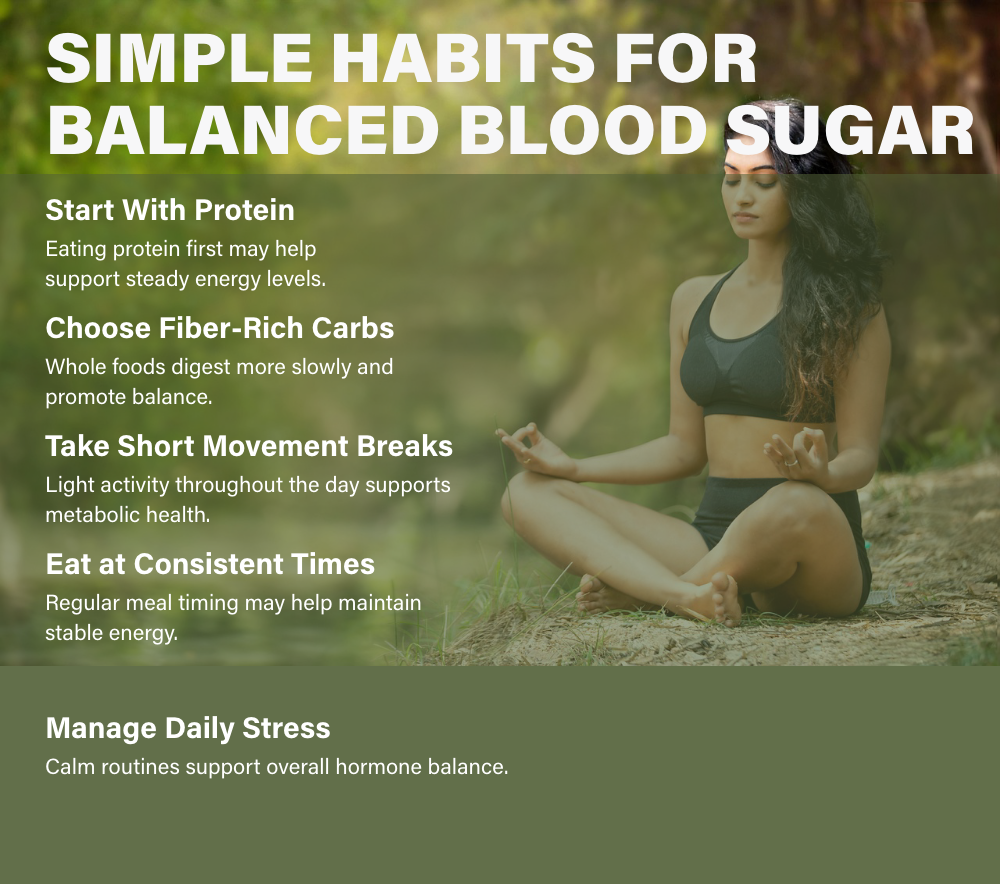
  • Daily Habits That Help Maintain Balanced Blood Sugar and Steady Energy

    Maintaining balanced blood sugar levels is about more than avoiding sugar. It’s about creating consistent daily habits that support stable energy, metabolic health, and overall well-being.

    Instead of focusing on restriction, a supportive approach emphasizes balance, timing, and quality of nutrition.


    Why Blood Sugar Balance Matters

    Blood sugar naturally rises and falls throughout the day. However, sharp spikes and crashes may leave you feeling fatigued, irritable, or craving quick sources of energy.

    Creating stability can help support:

    • Consistent energy levels
    • Fewer mid-day crashes
    • Better focus and concentration
    • Reduced cravings

    Small adjustments in daily routines can make a noticeable difference over time.


    1. Build Meals Around Protein First

    Starting meals with a protein source may help slow digestion and promote steadier energy release. Eggs, Greek yogurt, fish, poultry, legumes, or plant-based proteins are all solid options.

    When protein is paired with healthy fats and fiber, meals tend to feel more satisfying and balanced.


    2. Be Mindful of Carbohydrate Quality

    Not all carbohydrates are equal. Highly refined options may digest quickly, while whole, fiber-rich carbohydrates digest more gradually.

    Choosing foods like:

    • Vegetables
    • Legumes
    • Whole grains
    • Seeds

    can support a smoother glucose response compared to heavily processed foods.


    3. Spread Movement Throughout the Day

    Exercise doesn’t have to mean intense workouts. Light movement throughout the day — stretching, walking, or standing breaks — can support healthy metabolic processes.

    Consistency matters more than intensity when it comes to long-term balance.


    4. Create Consistent Meal Timing

    Irregular eating patterns may contribute to energy fluctuations. Establishing predictable meal times can help your body maintain a rhythm and support steadier blood sugar patterns.

    This doesn’t mean rigid scheduling — just reducing long gaps followed by large meals.


    5. Support Stress Management

    Stress influences hormone levels that play a role in metabolic health. Daily calming habits such as deep breathing, journaling, light exercise, or quiet time can support overall balance.

    Sleep also plays a key role in regulating appetite and energy cycles.


    Considering Additional Support

    Alongside nutrition and lifestyle habits, some individuals explore supplements formulated to support metabolic wellness as part of a balanced routine. When evaluating options, focus on quality ingredients and consult a healthcare professional if you have specific health concerns.


    Final Thoughts

    Balanced blood sugar isn’t about perfection — it’s about consistency. Small habits practiced daily can support steady energy, fewer crashes, and long-term metabolic health.

    Simple routines often create the strongest foundation for sustainable wellness.

    Next Steps:

    In addition to lifestyle strategies for glucose balance, a few individuals look into products designed to support metabolic health. Below is a supportive product option you may find helpful:

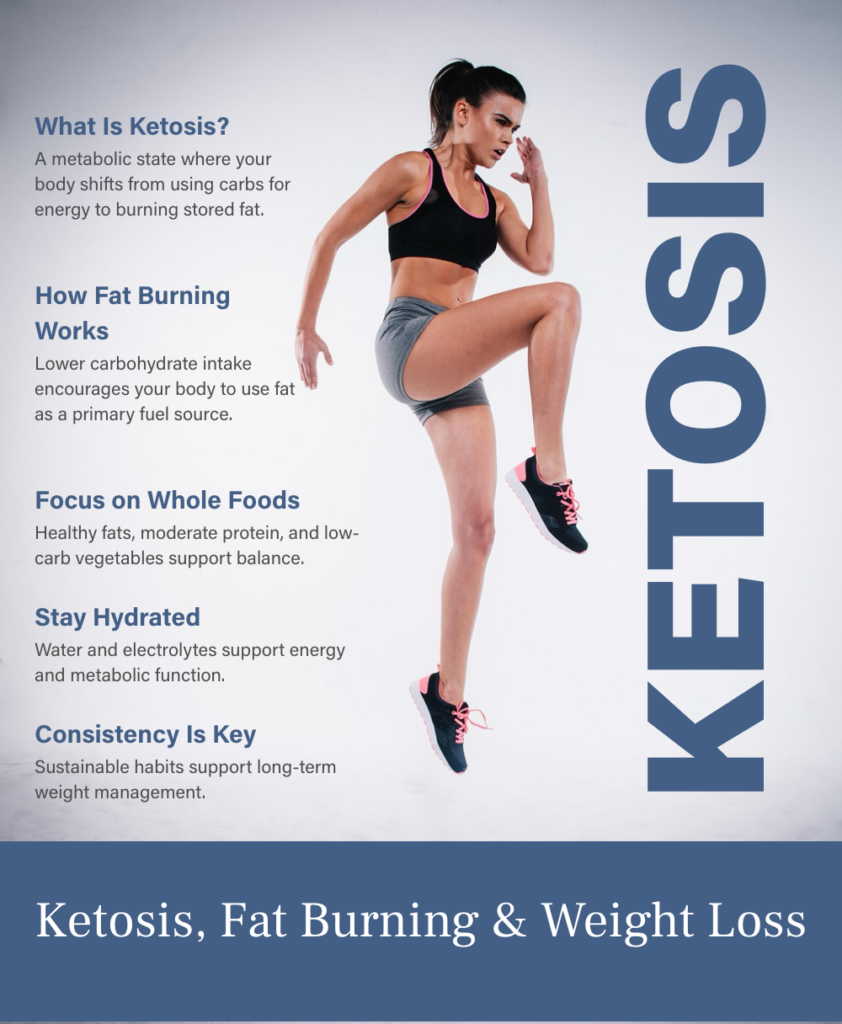
  • Ketosis, Fat Burning, and Weight Loss: How It Works

    Ketosis has become a popular topic in the world of weight management and metabolic health. Many people are curious about how it works and how it may support fat burning and healthy weight loss. Understanding the basics can help you decide whether a ketogenic-style approach fits your lifestyle.


    What Is Ketosis?

    Ketosis is a natural metabolic state that occurs when your body shifts from using carbohydrates as its primary fuel source to using fat for energy. Normally, your body breaks down carbohydrates into glucose for fuel. When carbohydrate intake is reduced significantly, the body begins breaking down stored fat into molecules called ketones, which are used for energy instead.

    This metabolic shift is what people refer to as “being in ketosis.”


    How Ketosis Supports Fat Burning

    When carbohydrate intake is lower, insulin levels may decrease, which allows the body to access stored fat more readily for energy. Over time, this can support fat metabolism and may contribute to weight loss when combined with an overall calorie-controlled and balanced approach.

    It’s important to note that ketosis is not a magic solution. Sustainable weight loss still depends on:

    • Consistent nutrition habits
    • Adequate protein intake
    • Calorie balance
    • Regular physical activity

    Foods That Support a Ketogenic Lifestyle

    A ketogenic-style eating pattern typically includes:

    • Healthy fats (avocado, olive oil, nuts, seeds)
    • Moderate protein (fish, eggs, poultry, lean meats)
    • Low-carbohydrate vegetables (leafy greens, broccoli, zucchini)

    Highly processed carbohydrates and sugary foods are generally minimized.

    Focusing on whole, nutrient-dense foods supports not only fat metabolism but also overall metabolic health.


    Hydration and Electrolytes Matter

    When reducing carbohydrates, the body may release stored water. Staying hydrated and maintaining electrolyte balance can help support energy levels and overall well-being during this transition.


    Ketosis and Sustainable Weight Loss

    While ketosis may support fat burning, long-term success often depends on consistency and lifestyle habits. Sleep, stress management, strength training, and balanced nutrition all play a role in maintaining metabolic health.

    Some individuals also explore nutritional supplements designed to support ketosis or fat metabolism as part of a broader healthy lifestyle. When considering supplements, focus on reputable products and consult a healthcare professional if you have specific health concerns.


    Final Thoughts

    Ketosis is simply a metabolic shift in how your body uses energy. When combined with whole foods, consistent habits, and mindful nutrition, it may support fat burning and weight management over time.

    As with any nutrition strategy, sustainability and balance are key to long-term results.

    Next steps

    Alongside whole‑food eating and consistent habits for metabolic support, a few individuals choose supportive products that complement their fat‑burning efforts. Below is a helpful option you may want to consider:

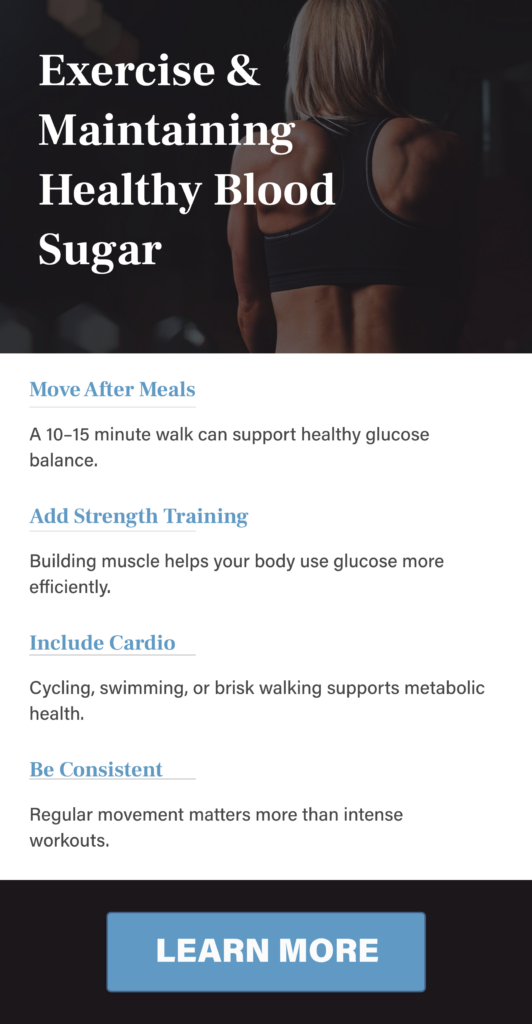
  • How Exercise Supports Healthy Blood Sugar Levels

    Regular physical activity plays an important role in supporting healthy blood sugar levels and overall metabolic health. When you move your body, your muscles use glucose for energy, which can help support balanced blood sugar response.

    Both strength training and cardiovascular exercise offer benefits. Walking after meals, light resistance training, cycling, or swimming can all support steady energy and metabolic function. Even short 10–15 minute walks may help support healthy glucose balance as part of a consistent routine.

    Exercise may also support insulin sensitivity, which helps your body use glucose more efficiently. Over time, consistent movement can contribute to improved energy levels and long-term wellness.

    For best results, combine regular exercise with balanced nutrition, hydration, and adequate sleep. Small, consistent habits often make the biggest difference when it comes to supporting healthy blood sugar levels naturally.

    Helpful Resource

    Supporting Healthy Blood Sugar Levels
    If you’re focusing on steady energy, balanced cravings, and healthier blood sugar levels — especially as you add more movement into your routine — many people explore gentle, plant‑based nutritional support to complement their daily habits.
    One option designed to support metabolic wellness is:

    GlucoTonic
    A natural, plant‑forward formula created to support healthy blood sugar levels, steady energy, and metabolic balance — especially helpful when paired with regular movement and mindful eating.

    Explore GlucoTonic here

    This resource is simply here if you’re looking for additional support as you build healthy, sustainable habits.

    How Different Types of Movement Support Blood Sugar in Unique Ways

    While any movement is beneficial, different forms of exercise support healthy blood sugar levels in slightly different ways. Understanding these differences can help you build a routine that feels both effective and sustainable.

    1. Low‑Intensity Movement (Walking, Light Cycling, Gentle Yoga)

    Low‑intensity activities help your muscles use glucose steadily without placing stress on the body. Even short bouts — like a 10‑minute walk after meals — can support a healthy post‑meal glucose response. This type of movement is especially helpful for people who are easing into exercise or recovering from fatigue, illness, or long periods of inactivity.

    Low‑intensity movement also supports circulation, digestion, and overall metabolic flexibility, making it a great foundation for daily wellness.

    2. Strength Training and Muscle‑Building Exercises

    Building muscle plays a powerful role in long‑term blood sugar balance. Muscle tissue acts like a “glucose reservoir,” meaning the more lean muscle you have, the more efficiently your body can store and use glucose.

    Strength training may support:

    • Improved insulin sensitivity
    • Better glucose uptake during and after workouts
    • Increased resting metabolic rate
    • More stable energy throughout the day

    You don’t need heavy weights to see benefits — bodyweight exercises, resistance bands, or light dumbbells can all make a meaningful difference.

    If you’re beginning to add more movement into your routine and want gentle support for healthy blood sugar levels, here’s a simple option to explore. Support Healthy Blood Sugar Naturally

    3. Moderate Cardio (Swimming, Jogging, Rowing, Dancing)

    Moderate aerobic exercise helps your body use glucose quickly for energy, which may support healthy blood sugar levels both during the activity and afterward. Many people also find that moderate cardio helps reduce stress — and since stress hormones can influence glucose levels, this creates an additional layer of support.

    4. High‑Intensity Interval Training (HIIT)

    Short bursts of higher‑intensity movement can support insulin sensitivity and metabolic health, but they’re not necessary for everyone. HIIT can be helpful for people who enjoy faster‑paced workouts, but gentle, consistent movement is just as effective for many individuals.

    Why Consistency Matters More Than Intensity

    One of the most important things to remember is that you don’t need long or intense workouts to support healthy blood sugar levels. What matters most is consistency. Small, daily habits — like walking after meals, stretching in the morning, or doing a few minutes of strength work — can create meaningful improvements over time.

    Your body responds best to movement that feels sustainable, enjoyable, and aligned with your current energy levels.

    If you’re ready to support your metabolism as you build consistent exercise habits, this may be a helpful next step. Explore GlucoTonic for Metabolic Support

    Pairing Movement With Other Daily Habits

    Exercise works even better when paired with simple lifestyle practices such as:

    • Balanced meals with protein, fiber, and healthy fats
    • Staying hydrated
    • Getting enough sleep
    • Managing stress through breathing, mindfulness, or gentle stretching

    Together, these habits help create a stable internal environment that supports healthy blood sugar levels naturally.

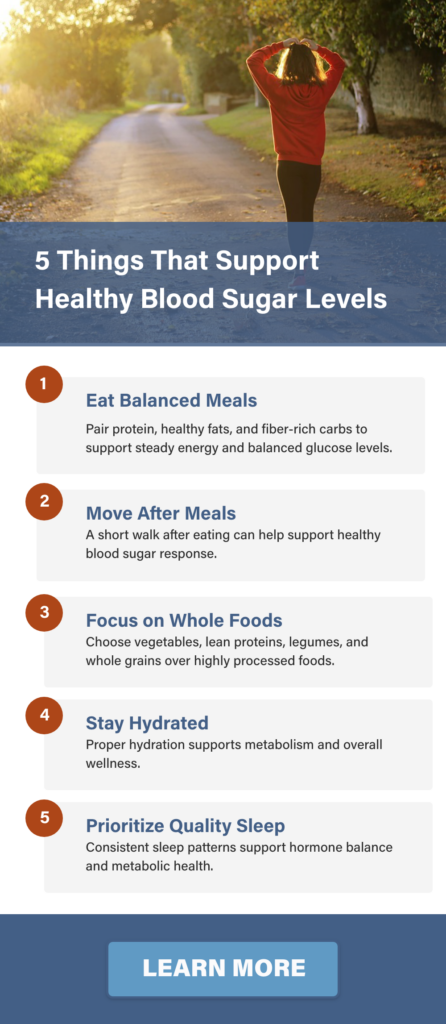
  • 5 Things That Support Healthy Blood Sugar Levels

    Maintaining healthy blood sugar levels is an important part of overall wellness and long-term metabolic health. While occasional fluctuations are normal, consistent daily habits can help support balanced energy, stable glucose response, and overall vitality. Here are five practical lifestyle strategies that naturally support healthy blood sugar levels.

    Helpful Resource

    Helpful Resources for Healthy Blood Sugar Support
    Blood Sugar Support+ (Advanced Bionutritionals)

    Formulated with botanicals and nutrients that support metabolic wellness and healthy glucose response.
    Learn more about Blood Sugar Support+

    1. Eat Balanced, Nutrient-Dense Meals

    Balanced meals that combine protein, healthy fats, and fiber-rich carbohydrates can help support steady energy throughout the day. Protein and fats slow digestion, while fiber helps moderate how quickly carbohydrates are absorbed.

    Try building your plate with:

    • Lean protein (eggs, chicken, fish, tofu)
    • Healthy fats (avocado, olive oil, nuts, seeds)
    • Fiber-rich vegetables and whole foods

    This combination supports a more gradual glucose response compared to refined or highly processed foods.


    2. Move Your Body Regularly

    Physical activity plays a key role in metabolic health. Even light movement, such as a 10–15 minute walk after meals, can support the body’s natural glucose regulation processes.

    Consistent exercise — including strength training and low-impact cardio — supports overall insulin sensitivity and long-term wellness.


    3. Prioritize Whole, Minimally Processed Foods

    Highly processed foods and refined sugars can cause rapid spikes and dips in energy. Choosing whole foods instead helps support steadier blood sugar levels.

    Focus on:

    • Vegetables and leafy greens
    • Legumes and whole grains
    • Lean proteins
    • Healthy fats

    Whole foods provide fiber and nutrients that support metabolic balance.


    4. Stay Properly Hydrated

    Hydration is often overlooked but plays an important role in overall metabolic function. Drinking enough water throughout the day supports circulation, digestion, and energy balance.

    Aim for consistent hydration rather than waiting until you feel thirsty.


    5. Get Consistent, Quality Sleep

    Sleep impacts nearly every system in the body, including hormones that influence appetite and glucose metabolism. Poor or inconsistent sleep may contribute to energy crashes and increased cravings.

    Establishing a regular sleep routine and aiming for 7–9 hours per night supports healthy metabolic function and overall well-being.


    Supporting Your Lifestyle

    In addition to these foundational habits, some people explore nutritional supplements designed to support metabolic health and balanced blood sugar levels as part of a healthy lifestyle. When considering supplements, focus on reputable brands and speak with a healthcare professional if you have specific health concerns.


    Final Thoughts

    Healthy blood sugar support isn’t about quick fixes — it’s about consistent, sustainable habits. Balanced nutrition, regular movement, hydration, and sleep work together to support steady energy and long-term metabolic wellness.

    Small daily choices can make a meaningful difference over time.

    If you’re ready to support your blood sugar naturally, here’s a simple next step.

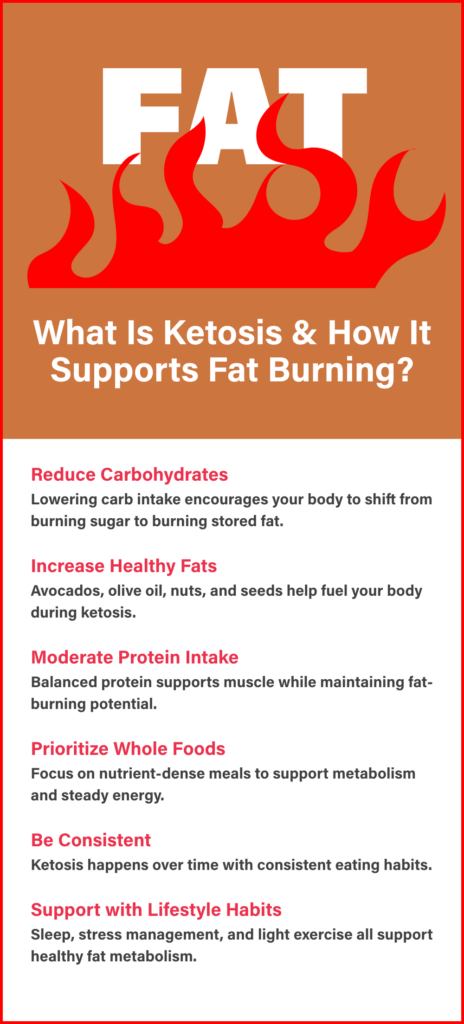
  • What Is Ketosis & How It Supports Fat Burning?

    What Actually Happens Inside the Body During Ketosis

    When carbs are low, your body begins breaking down stored fat into molecules called ketones. These ketones become your primary fuel source, especially for the brain and muscles. This shift supports:

    • Steadier energy without sugar crashes
    • Reduced hunger because ketones naturally help regulate appetite
    • Improved metabolic flexibility, meaning your body becomes better at switching between fuel sources
    • More efficient fat breakdown, especially around the midsection

    Many people notice clearer thinking, fewer cravings, and more stable energy once their body adapts.

    Helpful Resource

    Support Healthy Fat Metabolism Naturally
    A simple, once‑daily formula that supports metabolic health and natural energy without stimulants.
    Learn more about SlimShot

    1️⃣ Reduce Carbohydrates
    Lowering carb intake encourages your body to shift from burning sugar to burning stored fat.

    2️⃣ Increase Healthy Fats
    Avocados, olive oil, nuts, and seeds help fuel your body during ketosis.

    3️⃣ Moderate Protein Intake
    Balanced protein supports muscle while maintaining fat-burning potential.

    4️⃣ Stay Hydrated
    Water and electrolytes support energy levels during the transition.

    5️⃣ Prioritize Whole Foods
    Focus on nutrient-dense meals to support metabolism and steady energy.

    6️⃣ Be Consistent
    Ketosis happens over time with consistent eating habits.

    7️⃣ Support with Lifestyle Habits
    Sleep, stress management, and light exercise all support healthy fat metabolism.

    Why Ketosis Supports Fat Burning More Efficiently

    Ketosis isn’t just about eating fewer carbs — it’s about changing how your body uses energy. Here’s why it works:

    • Lower insulin levels make it easier for the body to access stored fat
    • Fat becomes the preferred fuel, so your body taps into fat stores more often
    • Stable blood sugar reduces the cycle of cravings and overeating
    • Higher satiety from healthy fats helps you naturally eat less without feeling deprived

    This is why many people experience steady, sustainable fat loss when following a low‑carb or ketogenic lifestyle.

    What to Eat to Stay in Ketosis

    A well‑balanced ketogenic approach focuses on whole, nutrient‑dense foods that support metabolism and energy. Examples include:

    • Healthy fats: avocado, olive oil, coconut oil, nuts, seeds
    • Low‑carb vegetables: leafy greens, broccoli, cauliflower, zucchini
    • Moderate protein: eggs, poultry, fish, grass‑fed meats
    • Low‑sugar fruits: berries in moderation
    • Electrolyte‑rich foods: bone broth, mineral water, leafy greens

    These foods help maintain ketosis while supporting gut health, skin health, and overall wellness.

    Common Signs You’re Entering Ketosis

    Everyone transitions differently, but many people notice:

    • Reduced appetite
    • More stable energy
    • Fewer sugar cravings
    • Clearer thinking
    • A slight increase in thirst
    • A “lighter” feeling after meals

    These are normal signs that your metabolism is shifting toward fat‑burning mode.

    Why Hydration & Electrolytes Matter So Much

    As your body uses up stored carbohydrates, it also releases water. This is why hydration is essential during the first few days of ketosis.

    Electrolytes like sodium, magnesium, and potassium help support:

    • Energy
    • Muscle function
    • Mental clarity
    • Healthy digestion

    Adding mineral-rich foods or electrolyte supplements can make the transition smoother.

    Ketosis and Mental Clarity

    One of the most surprising benefits people report is improved focus. Ketones are a clean, efficient fuel source for the brain, which may support:

    • Better concentration
    • More stable mood
    • Reduced brain fog
    • Enhanced productivity

    This is why many people use a low‑carb lifestyle not just for weight loss, but for cognitive performance.

    How Movement Supports Ketosis

    You don’t need intense workouts to support fat burning. In fact, gentle movement often works best during the transition.

    Helpful activities include:

    • Walking
    • Light strength training
    • Yoga
    • Stretching
    • Low‑intensity cardio

    These support circulation, metabolism, and overall energy without stressing the body.

    Looking for gentle support as your body adapts to ketosis?

    Support Your Metabolism Naturally

    A Gentle, Sustainable Approach to Fat Burning

    Ketosis doesn’t have to be extreme. A balanced, whole‑food, low‑carb lifestyle can support:

    • Healthy weight management
    • Better energy
    • Reduced cravings
    • Improved metabolic health
    • A calmer, more stable daily rhythm

    Small, consistent habits make the biggest difference.

    Final Thoughts

    Ketosis is simply a natural metabolic state — not a trend or a quick fix. When supported with whole foods, hydration, sleep, and gentle movement, it can help your body tap into stored fat, stabilize energy, and feel more balanced throughout the day.

    Support your metabolism with simple, natural tools.

  • Morning Routine for Mental Clarity

    A clear, focused morning doesn’t happen by accident. The first 60–90 minutes of your day set the tone for your mental energy, emotional balance, and cognitive performance. When your morning routine supports your brain, you’re far more likely to stay calm, productive, and mentally sharp throughout the day.

    Below is your original routine — now expanded with deeper explanations, science-backed context, and practical tips to help readers understand why each step matters and how to apply it consistently.

    Helpful Resource

    Many people who want to support better focus and mental clarity find it helpful to pair simple morning habits with gentle, research‑inspired nutritional support. If you’re curious about a natural option that aligns with these goals, you can explore it here:
    👉 Learn About a Natural Memory & Focus Supplement

    🌅 1. Hydrate First Thing
    Start your day with a full glass of water to rehydrate your brain and body.

    Your brain is nearly 75% water, and even mild dehydration can affect memory, focus, and mood. After 7–9 hours of sleep, your body naturally wakes up slightly dehydrated. Drinking water first thing helps:

    • Replenish fluid levels
    • Support healthy blood flow to the brain
    • Improve alertness
    • Kickstart digestion and metabolism

    Optional enhancement: Add a squeeze of lemon or a pinch of electrolytes for an extra hydration boost.

    Hydration is one of the simplest ways to support mental clarity. Some people also choose to combine good hydration habits with nutrients that help maintain focus throughout the day.

    See a Cognitive Support Formula People Use Alongside Their Morning Routine

    🧘 2. 5 Minutes of Deep Breathing
    Slow breathing helps reduce stress and improve focus.

    Intentional breathing activates the parasympathetic nervous system — the part of your body responsible for calm, clarity, and emotional regulation. Just a few minutes of slow, controlled breathing can:

    • Lower cortisol
    • Improve mental clarity
    • Increase oxygen flow to the brain
    • Reduce morning anxiety

    Try this: Inhale for 4 seconds → hold for 2 → exhale for 6. Repeat for 5 minutes.

    This simple practice can shift your entire mental state before the day even begins.

    ☀️ 3. Get Natural Light
    Morning sunlight supports healthy sleep cycles and alertness.

    Exposure to natural light within the first hour of waking helps regulate your circadian rhythm — your body’s internal clock. This improves:

    • Daytime alertness
    • Mood (thanks to serotonin production)
    • Nighttime sleep quality
    • Hormonal balance

    Even 5–10 minutes outside or near a bright window can make a noticeable difference.

    🚶 4. Move Your Body
    A short walk or light stretching boosts circulation and brain function.

    Movement increases blood flow, oxygen, and nutrients to the brain. You don’t need a full workout — even gentle movement can:

    • Improve cognitive performance
    • Reduce brain fog
    • Boost energy
    • Support emotional stability

    Examples:

    • A 10-minute walk
    • Light yoga
    • Mobility stretches
    • A few rounds of sun salutations

    Consistency matters more than intensity.

    Movement boosts circulation to the brain, and pairing it with targeted nutritional support can help maintain that mental clarity throughout the day.

    See a Natural Formula That Supports Mental Energy

    🥑 5. Eat a Brain-Supportive Breakfast
    Include protein and healthy fats to support steady energy and focus.

    Your brain needs stable blood sugar to function well. A breakfast rich in protein and healthy fats helps prevent the mid-morning crash and supports neurotransmitter production.

    Brain-friendly options:

    • Eggs + avocado
    • Greek yogurt with berries
    • Oatmeal with nuts and chia seeds
    • Smoothies with protein + healthy fats

    Avoid high-sugar breakfasts that spike and crash your energy.

    📵 6. Delay Phone Scrolling
    Protect your mental clarity by avoiding instant information overload.

    Checking your phone immediately floods your brain with notifications, dopamine spikes, and external demands. This can:

    • Increase stress
    • Reduce focus
    • Hijack your attention for the rest of the day

    Give your brain space to wake up naturally before diving into digital noise.

    Try this: Set a “no phone for 30 minutes after waking” rule.

    📓 7. Set 3 Clear Priorities
    Write down your top goals for the day to improve focus and productivity.

    Your brain loves clarity. When you choose your top three priorities early in the day, you:

    • Reduce decision fatigue
    • Stay focused on what matters
    • Avoid overwhelm
    • Improve follow-through

    This simple habit can dramatically increase your productivity and sense of control.

    Clear priorities help your mind stay organized. Some people also use targeted nutrients to support memory, recall, and mental sharpness throughout the day.

    See a Supplement Designed for Daily Cognitive Support

    Next Steps

    Along with simple daily habits that support mental clarity and focus, some people explore additional tools that may complement their brain health routine. Here’s one option that aligns with those wellness goals: 👉 Supplements for Memory (synaptigen24.com in Bing)

    These types of supplements are often chosen by people looking to support:

    • Memory recall
    • Focus and concentration
    • Mental energy
    • Long-term brain health

    They’re not a replacement for healthy habits — but they can be a supportive addition for some individuals.

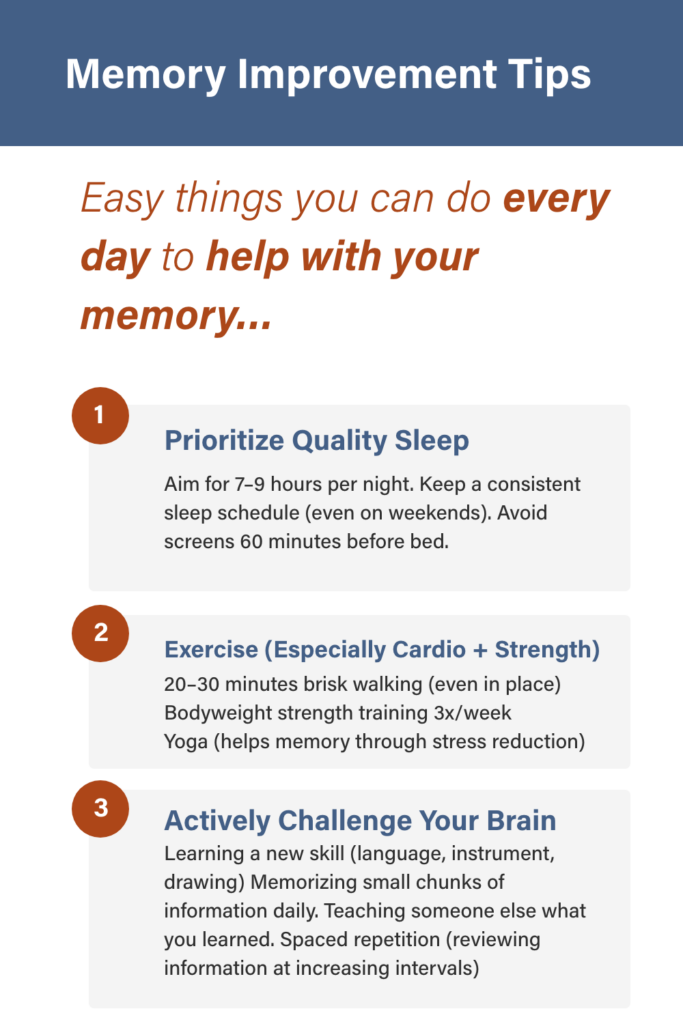
  • Memory Improvement Tips

    Helpful Resource

    Helpful Resource for Memory & Mental Clarity
    Many people looking to support memory, focus, and overall cognitive wellness find it helpful to pair daily habits with targeted nutritional support. If you’re curious about a gentle, research‑inspired supplement designed to support mental clarity, you can explore it here: Learn About the Memory Support Formula »

    1. Prioritize Quality Sleep

    Aim for 7–9 hours per night. Keep a consistent sleep schedule (even on weekends). Avoid screens 60 minutes before bed. Keep your room cool and dark.

    2. Exercise (Especially Cardio + Strength)

    • 20–30 minutes brisk walking (even in place)
    • Bodyweight strength training 3x/week
    • Yoga (helps memory through stress reduction)

    3. Actively Challenge Your Brain

    Learning a new skill (language, instrument, drawing) Memorizing small chunks of information daily. Teaching someone else what you learned. Spaced repetition (reviewing information at increasing intervals)

    Next Steps

    Alongside these practical memory improvement tips, some individuals explore supportive tools that may complement their cognitive wellness efforts. Here’s one option that aligns with those goals:

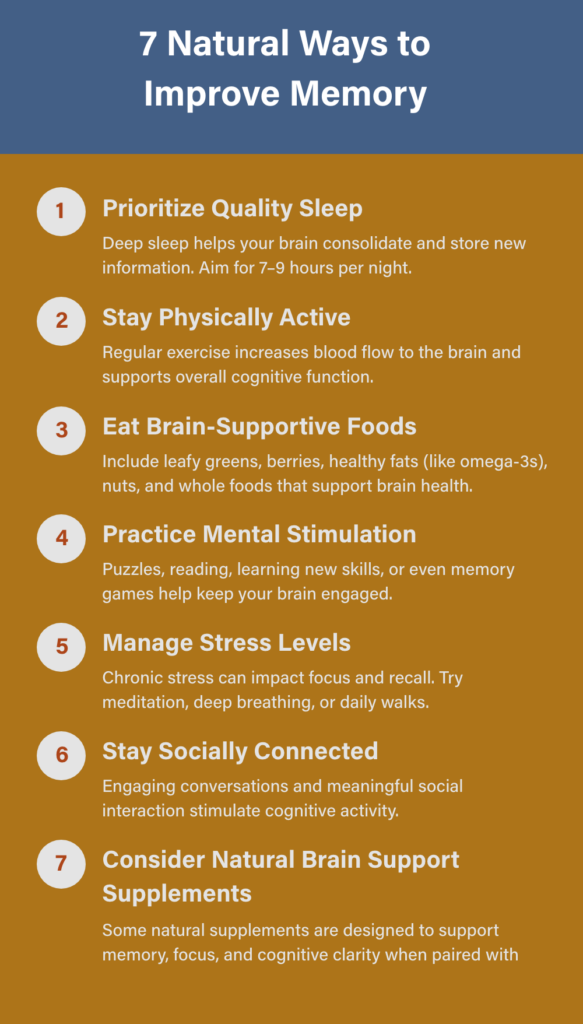
  • 7 Natural Ways to Improve Memory

    1️⃣ Prioritize Quality Sleep
    Deep sleep helps your brain consolidate and store new information. Aim for 7–9 hours per night.

    2️⃣ Stay Physically Active
    Regular exercise increases blood flow to the brain and supports overall cognitive function.

    3️⃣ Eat Brain-Supportive Foods
    Include leafy greens, berries, healthy fats (like omega-3s), nuts, and whole foods that support brain health.

    4️⃣ Practice Mental Stimulation
    Puzzles, reading, learning new skills, or even memory games help keep your brain engaged.

    5️⃣ Manage Stress Levels
    Chronic stress can impact focus and recall. Try meditation, deep breathing, or daily walks.

    6️⃣ Stay Socially Connected
    Engaging conversations and meaningful social interaction stimulate cognitive activity.

    7️⃣ Consider Natural Brain Support Supplements
    Some natural supplements are designed to support memory, focus, and cognitive clarity when paired with healthy habits.

    Helpful Resource

    Helpful Resource for Memory & Mental Clarity
    Many people looking to support memory and mental clarity naturally find it helpful to pair daily habits with targeted nutritional support. If you’re curious about a supplement designed to support focus, recall, and overall cognitive wellness, you can explore it here.

    Additional Ways to Strengthen Memory Naturally

    While the habits above can significantly support memory, building a strong and reliable memory also comes from creating a lifestyle that supports overall brain health. Small daily choices—from what you eat to how you manage stress—can have a noticeable impact on your ability to learn, recall information, and stay mentally sharp.

    Below are additional strategies that complement the habits above and help support long-term brain performance.


    Feed Your Brain With Memory-Supporting Nutrients

    Your brain uses a large portion of the energy your body produces, which means the foods you eat can influence cognitive function and memory performance.

    Diets rich in whole foods—especially fruits, vegetables, healthy fats, and quality protein—provide the nutrients your brain needs to function efficiently. Many researchers highlight the importance of antioxidants and anti-inflammatory foods for protecting brain cells and supporting long-term memory.

    Some foods commonly associated with better brain health include:

    • Fatty fish such as salmon and sardines
    • Berries rich in antioxidants
    • Leafy greens like spinach and kale
    • Nuts and seeds
    • Olive oil and healthy fats

    These foods may help protect neurons, support healthy blood flow to the brain, and reduce inflammation that can negatively affect memory over time.

    Even small dietary changes—such as replacing processed snacks with whole foods—can support long-term cognitive health.

    Some people also choose to pair brain‑healthy foods with targeted nutrients shown to support memory and focus. See an Example of a Cognitive Support Supplement »


    Keep Learning New Skills

    One of the most powerful ways to strengthen memory is to continuously challenge your brain.

    Learning new skills forces the brain to build new neural connections, a process known as neuroplasticity. When you practice something new—whether it’s learning a language, playing an instrument, or trying a new hobby—you are essentially training your brain to store and retrieve information more efficiently.

    Examples of activities that stimulate memory include:

    • Learning a new language
    • Playing a musical instrument
    • Taking up a creative hobby like painting
    • Trying puzzles or strategy games
    • Reading new types of books or topics

    The brain thrives on novelty. Introducing new challenges regularly helps keep cognitive processes active and adaptable.


    Manage Stress for Better Memory

    Chronic stress can interfere with memory formation and recall. When stress hormones remain elevated for long periods, they can disrupt communication between brain cells and affect areas of the brain responsible for learning and memory.

    Practices that help manage stress can indirectly support memory performance. Some effective options include:

    • Deep breathing exercises
    • Mindfulness meditation
    • Gentle physical activity such as walking or yoga
    • Spending time in nature
    • Taking breaks from screens and digital devices

    Research has shown that mindfulness and meditation practices can improve working memory and overall cognitive function by helping the brain focus more effectively.

    Even a few minutes of relaxation or breathing exercises each day can help reduce mental clutter and improve focus.


    Stay Socially Engaged

    Social interaction is another surprisingly powerful factor in brain health. Conversations and social experiences stimulate multiple parts of the brain at once, helping strengthen neural pathways involved in memory and communication.

    Regular social interaction can include:

    • Talking with friends or family
    • Participating in group activities
    • Joining clubs or hobby groups
    • Volunteering or community involvement

    Engaging socially encourages the brain to process new information, interpret emotions, and remember details from conversations—all of which help maintain strong cognitive abilities.


    Maintain Healthy Blood Flow to the Brain

    Healthy circulation plays a major role in memory function because the brain depends on a constant supply of oxygen and nutrients.

    Physical activity is one of the best ways to support this process. Exercise increases blood flow to the brain and can stimulate the growth of new brain cells, particularly in regions associated with learning and memory.

    Simple activities that can support brain circulation include:

    • Walking
    • Cycling
    • Swimming
    • Dancing
    • Light strength training

    Many experts recommend about 30 minutes of moderate activity most days of the week to support both physical and cognitive health.


    Create Daily Habits That Support Brain Health

    Memory improvement rarely comes from a single habit. Instead, it is usually the result of several consistent lifestyle choices working together.

    When combined, habits like good sleep, balanced nutrition, regular movement, and mental stimulation create an environment where the brain can function at its best.

    A simple daily routine for brain health might include:

    • Getting enough sleep each night
    • Eating whole, nutrient-rich foods
    • Moving your body regularly
    • Challenging your brain with learning or puzzles
    • Managing stress with mindfulness or relaxation techniques

    Over time, these habits can help strengthen cognitive performance and support long-term mental clarity.


    Final Thoughts

    Improving memory naturally does not require complicated routines or expensive programs. In many cases, the most effective strategies involve simple lifestyle habits that support overall brain health.

    By combining mental stimulation, healthy nutrition, physical activity, stress management, and quality sleep, you can create an environment where your brain performs at its best.

    Consistency is key. Small daily habits practiced over time can lead to noticeable improvements in focus, recall, and mental clarity.

    Next Steps:


    Incorporating nutrient-rich foods like omega-3s and antioxidants can naturally support memory. Some people also explore a high-quality supplement for additional support, like this brain health formula.